
April Stress Assessment

April often brings a fresh start, but for many living with diabetes, it can also usher in a unique set of stressors. From managing blood glucose fluctuations amidst seasonal changes to navigating the emotional toll of chronic illness, understanding and addressing stress is paramount. This article delves into the specific challenges April presents for individuals with diabetes, offering practical strategies and insights to help you assess and mitigate stress effectively, fostering better overall health and well-being.

Understanding Stress and Diabetes

Stress, whether acute or chronic, significantly impacts blood glucose levels. When you experience stress, your body releases hormones like cortisol and adrenaline. These hormones prepare your body for a ‘fight or flight’ response, often leading to an increase in blood sugar. For individuals with diabetes, this physiological response can complicate glucose management, making it harder to maintain target ranges. Prolonged stress can also lead to unhealthy coping mechanisms, such as poor dietary choices, reduced physical activity, and inconsistent medication adherence, all of which further exacerbate diabetes control.

The April Effect: Seasonal Stressors

April, while often associated with renewal, can bring its own unique set of stressors. Changes in weather patterns, such as fluctuating temperatures and increased pollen counts, can affect physical well-being and sleep quality. For some, the end of the financial year or tax deadlines can create significant mental strain. Social pressures, such as increased outdoor activities or family gatherings, might also present challenges in maintaining a consistent diabetes management routine. Recognising these seasonal triggers is the first step towards effective stress mitigation.

ℹ️ Did You Know?

Studies have shown that chronic stress can increase the risk of developing type 2 diabetes, and for those already living with the condition, it can significantly impair glycaemic control. Managing stress is therefore a crucial component of comprehensive diabetes care.

Conducting Your April Stress Assessment

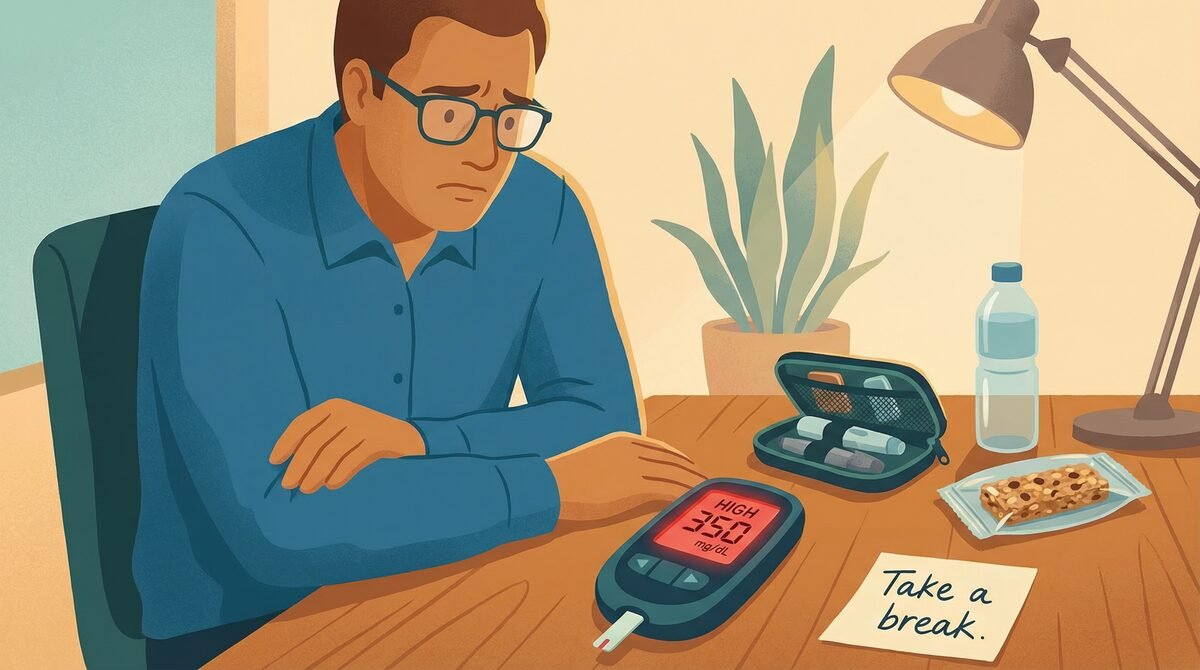
A proactive approach to stress management begins with self-assessment. Understanding your personal stress triggers and how your body responds is vital. Consider keeping a stress diary throughout April. Note down situations that cause you stress, your emotional and physical reactions, and importantly, your blood glucose readings before and after these events. This can help you identify patterns and develop personalised coping strategies.

Recognising the Signs of Stress

Stress manifests differently in everyone, but common signs include irritability, anxiety, difficulty sleeping, fatigue, headaches, and digestive issues. For individuals with diabetes, unexplained fluctuations in blood glucose levels, increased cravings for unhealthy foods, and a general feeling of being overwhelmed are also significant indicators. Pay close attention to these signals; they are your body’s way of communicating that something needs attention.

⚠️ Warning: Unmanaged Stress

Ignoring chronic stress can lead to serious health complications beyond glycaemic control, including increased risk of cardiovascular disease, weakened immune function, and mental health disorders such. If you are struggling to manage stress, please consult your healthcare provider.

Practical Strategies for Stress Management in April

Once you have identified your stress triggers and recognised the signs, the next step is to implement effective coping strategies. A multi-faceted approach often yields the best results.

Mindfulness and Relaxation Techniques

  • Deep Breathing Exercises: Simple yet powerful, deep breathing can quickly calm your nervous system. Practice inhaling slowly through your nose, holding for a few seconds, and exhaling slowly through your mouth.
  • Meditation: Even short periods of daily meditation can reduce stress hormones and improve overall well-being. Apps and online resources can guide you through beginner-friendly sessions.
  • Mindful Movement: Activities like yoga or Tai Chi combine physical movement with mindfulness, promoting relaxation and flexibility.

Lifestyle Adjustments

  • Regular Physical Activity: Exercise is a potent stress reliever. Aim for at least 150 minutes of moderate-intensity aerobic activity per week, as recommended for individuals with diabetes.
  • Balanced Nutrition: A diet rich in whole foods, fruits, and vegetables can support your body’s ability to cope with stress. Limit processed foods, excessive caffeine, and sugary drinks, which can exacerbate anxiety and blood sugar fluctuations.
  • Adequate Sleep: Prioritise 7-9 hours of quality sleep per night. Poor sleep can heighten stress levels and negatively impact glucose control. Establish a consistent sleep schedule and create a relaxing bedtime routine.
  • Social Connection: Spend time with supportive friends and family. Sharing your feelings and experiences can reduce feelings of isolation and provide emotional support.

Effective Diabetes Management

Maintaining consistent diabetes management is a powerful way to reduce stress related to the condition itself. Regular monitoring of blood glucose levels, adherence to medication schedules, and consistent communication with your healthcare team can provide a sense of control and reduce anxiety about potential complications. Consider using technology, such as continuous glucose monitors (CGMs), to gain better insights and reduce the burden of frequent finger-prick tests.

✅ Tip: Create a Stress-Busting Toolkit

Compile a list of activities that help you relax and de-stress. This could include listening to music, reading a book, spending time in nature, or engaging in a hobby. When stress strikes, you’ll have a ready-made toolkit to draw upon.

When to Seek Professional Help

While self-management strategies are incredibly valuable, there are times when professional support is necessary. If you find that stress is consistently overwhelming, impacting your daily life, or severely affecting your diabetes management despite your best efforts, it is crucial to reach out to a healthcare professional. This could be your GP, an endocrinologist, a diabetes educator, or a mental health specialist. They can offer tailored advice, therapeutic interventions, or medication if appropriate, to help you navigate persistent stress.

✅ Key Takeaway

Effectively managing stress is a cornerstone of living well with diabetes, particularly during potentially challenging times like April. By understanding your unique stress triggers, recognising the signs, and implementing a combination of mindfulness, lifestyle adjustments, and consistent diabetes care, you can significantly improve your glycaemic control and overall quality of life. Remember, seeking professional help when needed is a sign of strength, not weakness.


Related articles

When to Ask for Mental Health Help

Living with diabetes can be a challenging journey, often extending beyond managing blood sugar levels to encompass significant emotional and psychological demands. Recognising when these emotional challenges cross the line from normal fluctuations to requiring professional support is crucial for overall well-being and effective diabetes management.

Understanding the Link Between Diabetes and Mental Health

Diabetes and mental health are intricately linked. The stress of living with a chronic condition can trigger or worsen mental health problems, and conversely, poor mental health can make it harder to manage diabetes effectively. For instance, depression can lead to reduced motivation for self-care, impacting diet adherence, exercise routines, and medication schedules. This bidirectional relationship underscores the importance of addressing mental health as an integral part of diabetes care.

Common Mental Health Challenges in Diabetes

Several mental health conditions are more prevalent among people with diabetes. These include:

  • Depression: Characterised by persistent sadness, loss of interest in activities, changes in appetite or sleep, fatigue, and feelings of worthlessness. It is twice as common in people with diabetes.
  • Anxiety: Manifests as excessive worry, restlessness, difficulty concentrating, and physical symptoms like a racing heart or shortness of breath. Diabetes-specific anxiety, often called ‘diabetes distress’, relates directly to the fear of complications, hypoglycaemia, or the burden of self-management.
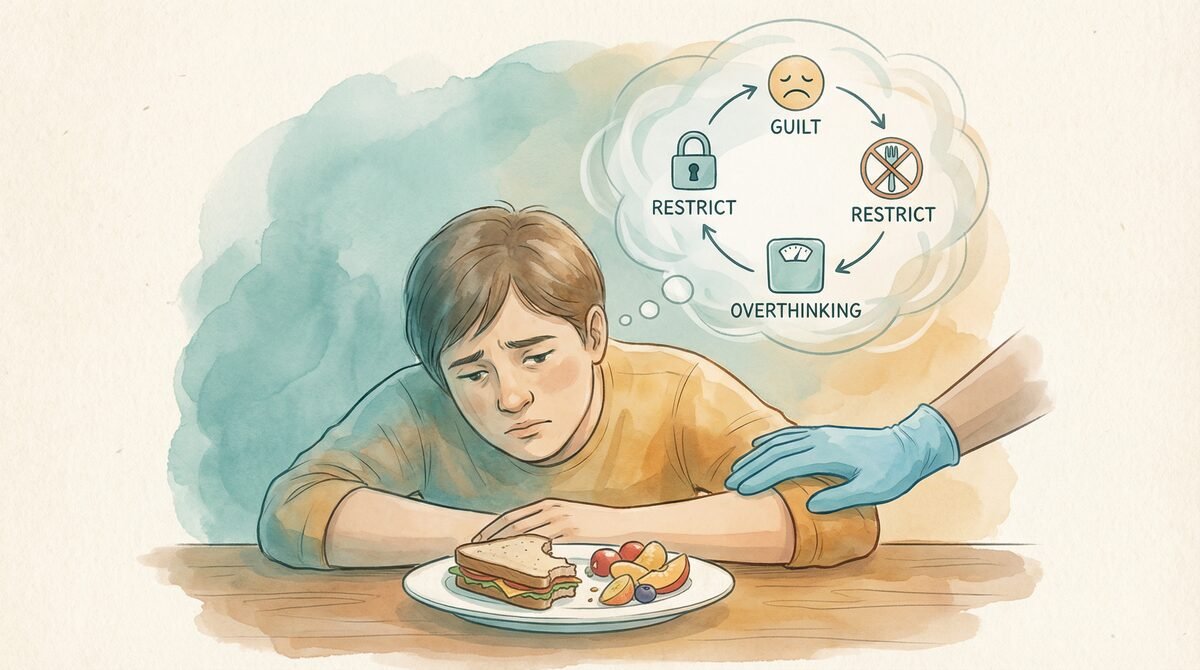
  • Eating Disorders: The focus on diet and weight in diabetes management can sometimes contribute to the development or exacerbation of eating disorders.
  • Burnout: A state of physical, emotional, and mental exhaustion caused by prolonged or excessive stress, particularly common in the context of chronic disease management.

ℹ️ Did You Know?

Approximately one in four people with diabetes will experience diabetes distress, a specific form of anxiety or depression directly related to managing their condition.

Signs You Might Need Professional Help

It can be difficult to distinguish between normal emotional responses to living with diabetes and signs that indicate a need for professional mental health support. Here are some key indicators to look out for:

  • Persistent Low Mood or Sadness: If feelings of sadness, hopelessness, or irritability last for more than two weeks and interfere with your daily life, it’s a significant warning sign.
  • Loss of Interest or Pleasure: A noticeable decrease in enjoyment from activities you once loved, including hobbies or social interactions.
  • Changes in Sleep Patterns: Consistently sleeping too much or too little, or experiencing disturbed sleep.
  • Significant Changes in Appetite or Weight: Unexplained weight gain or loss, or a marked increase or decrease in appetite.
  • Increased Anxiety or Worry: Feeling constantly on edge, having panic attacks, or experiencing overwhelming worry about your diabetes or other aspects of your life.
  • Difficulty Concentrating or Making Decisions: Finding it hard to focus, remember things, or make even simple choices.
  • Fatigue or Low Energy: Feeling constantly tired, even after adequate rest, which isn’t directly attributable to your diabetes.
  • Social Withdrawal: Avoiding friends, family, or social situations.
  • Thoughts of Self-Harm or Suicide: This is a serious emergency. If you or someone you know is experiencing these thoughts, seek immediate help.
  • Difficulty Managing Diabetes: If your mental state is making it consistently harder to adhere to your diabetes management plan, leading to poor blood sugar control.

⚠️ Warning Sign

If you are experiencing thoughts of self-harm or suicide, please seek immediate professional help. You are not alone, and support is available.

When to Speak to Your Healthcare Professional

Your diabetes care team, including your GP, diabetes nurse, or endocrinologist, is often the first point of contact. They can assess your symptoms, offer initial advice, and, if necessary, refer you to specialist mental health services. Don’t hesitate to bring up your emotional well-being during your regular check-ups. It’s an essential part of your overall health.

Seeking Support: What Are Your Options?

Several avenues for support are available:

  • Talking Therapies (Counselling and CBT): Cognitive Behavioural Therapy (CBT) and other talking therapies can help you develop coping strategies for managing stress, anxiety, and depression. These are often available through the NHS.
  • Psychologists and Psychiatrists: For more severe or complex mental health conditions, a referral to a psychologist (for therapy) or a psychiatrist (for medication management and diagnosis) may be appropriate.
  • Support Groups: Connecting with others who understand the challenges of living with diabetes can provide invaluable emotional support and practical advice.
  • Online Resources and Helplines: Organisations like Diabetes UK and the NHS offer a wealth of online information and helplines for immediate support and guidance.

Taking the First Step

Recognising that you need help is a sign of strength, not weakness. Mental health challenges are common, especially when managing a chronic condition like diabetes. Early intervention can significantly improve both your mental well-being and your diabetes outcomes. Don’t suffer in silence; reach out to your healthcare team or a trusted loved one. Support is available, and you don’t have to face these challenges alone.

✅ Key Takeaway

Prioritising your mental health is as vital as managing your physical health when living with diabetes. Be vigilant for persistent changes in mood, energy, sleep, or appetite, and do not hesitate to discuss these concerns with your healthcare professional. Early intervention and appropriate support can profoundly improve your quality of life and your ability to manage diabetes effectively.


Related articles

Relaxing Spring Recipes: Comfort Without Carbs

See also: Diabetes Diet: Mediterranean, Low-Carb, Keto and Plant-Based — our complete pillar guide.

As the vibrant energy of spring emerges, many of us seek lighter, more refreshing culinary experiences. For individuals navigating diabetes, this season offers a unique opportunity to embrace delicious, carb-conscious recipes that deliver both comfort and essential nutritional benefits. Adopting a low-carbohydrate approach can be particularly effective in maintaining stable blood glucose levels, supporting healthy weight management, and enhancing overall well-being. This article explores the art of creating relaxing spring dishes that prioritise flavour and satisfaction without compromising on carbohydrate intake.

The advent of spring brings with it a bounty of fresh produce, from vibrant asparagus and tender greens to succulent berries. Incorporating these seasonal ingredients into a low-carb diet can transform meal preparation into an enjoyable and healthful endeavour. The focus shifts from heavy, starch-laden dishes to lighter, yet equally fulfilling, options that celebrate the season’s offerings.

Understanding the impact of carbohydrates on blood glucose is fundamental for effective diabetes management. When carbohydrates are consumed, they are broken down into glucose, which enters the bloodstream. For individuals with diabetes, the body’s ability to produce or effectively use insulin is impaired, leading to elevated blood glucose levels. A low-carbohydrate dietary pattern aims to minimise this glucose surge, thereby reducing the demand on the insulin system and promoting better glycaemic control. Research consistently demonstrates that low-carb diets can lead to significant improvements in HbA1c levels, a key indicator of long-term blood glucose control, and can also facilitate weight loss, which is often beneficial for type 2 diabetes management [1] [2].

While the term ‘low-carb’ might conjure images of restrictive eating, the reality is far from it. Many spring ingredients are naturally low in carbohydrates and can form the basis of incredibly flavourful and satisfying meals. Think about the versatility of courgettes, the crispness of radishes, and the earthy notes of mushrooms. These can be artfully combined with lean proteins and healthy fats to create dishes that are both nourishing and comforting.

Embracing Spring’s Bounty: Low-Carb Recipe Ideas

Spring offers an abundance of ingredients perfect for low-carb cooking. Here are a few ideas to inspire your culinary journey:

1. Herb-Crusted Salmon with Asparagus and Lemon

This dish is a celebration of spring flavours. Salmon, rich in omega-3 fatty acids, is complemented by the delicate bitterness of asparagus and the bright zest of lemon. A simple crust of fresh herbs like dill, parsley, and chives adds depth without adding carbohydrates.

2. Chicken and Mushroom ‘Risotto’ with Cauliflower Rice

For a comforting, creamy dish, a cauliflower rice ‘risotto’ is an excellent low-carb alternative. Sautéed chicken pieces and earthy mushrooms are folded into a rich, savoury cauliflower base, creating a satisfying meal that feels indulgent yet remains diabetes-friendly.

3. Spring Vegetable Frittata with Feta

A frittata is a versatile and quick meal, perfect for any time of day. Whisked eggs combined with sautéed spring vegetables such as spinach, spring onions, and peas (in moderation) and crumbled feta cheese create a light yet filling option. This can be prepared in advance and enjoyed cold.

⚠️ Warning: Hidden Carbs

Always be mindful of hidden carbohydrates in sauces, marinades, and processed foods. Even seemingly healthy options can contain added sugars or starches. Reading food labels carefully is crucial for effective carbohydrate management.

Tips for Successful Low-Carb Spring Cooking

Adopting a low-carb approach to cooking doesn’t have to be complicated. Here are some practical tips to help you succeed:

  • Plan Your Meals: Pre-planning helps ensure you have all the necessary ingredients and reduces the likelihood of reaching for high-carb convenience foods.
  • Embrace Healthy Fats: Don’t shy away from healthy fats like olive oil, avocado, and nuts. They provide satiety and enhance flavour, making your meals more enjoyable.
  • Experiment with Herbs and Spices: Flavour is key in low-carb cooking. Fresh herbs and a variety of spices can elevate your dishes without adding carbohydrates.
  • Batch Cook: Prepare larger portions of low-carb staples like roasted vegetables or grilled chicken to use in multiple meals throughout the week.

ℹ️ Info: Glycaemic Index

The glycaemic index (GI) is a system that ranks carbohydrate-containing foods by how much they raise blood glucose levels. While a low-carb diet naturally focuses on foods with a lower GI, understanding this concept can further refine your food choices, prioritising those that have a minimal impact on blood sugar.

Beyond the Plate: A Holistic Approach to Well-being

While diet plays a pivotal role in diabetes management, a holistic approach to well-being encompasses other crucial elements. Regular physical activity, adequate sleep, and stress management are equally important. Spring, with its inviting weather, offers an ideal opportunity to incorporate more outdoor activities, such as walking, gardening, or cycling, which can further contribute to improved glycaemic control and overall health.

✅ Tip: Mindful Eating

Practising mindful eating can significantly enhance your enjoyment of food and aid in portion control. Pay attention to your body’s hunger and fullness cues, savour each bite, and eat slowly. This can lead to better digestion and a more satisfying culinary experience.

نتیجہ اخذ کرنا

Embracing relaxing spring recipes that are carb-conscious offers a delightful and effective strategy for managing diabetes while enjoying the season’s freshest flavours. By focusing on whole, unprocessed ingredients, experimenting with herbs and spices, and understanding the principles of low-carbohydrate eating, individuals can create comforting and satisfying meals that support optimal health. This approach not only aids in blood glucose control but also promotes a greater sense of well-being and culinary creativity.

✅ Key Takeaway

Adopting a low-carbohydrate diet with relaxing spring recipes can significantly benefit diabetes management by stabilising blood glucose, aiding weight control, and promoting overall health. Focus on fresh, seasonal produce, lean proteins, and healthy fats, while being mindful of hidden carbohydrates and incorporating mindful eating practices.

References

[1] Diabetes UK. (n.d.). Low-carb diet and meal plan. Retrieved from https://www.diabetes.org.uk/living-with-diabetes/eating/meal-plans/low-carb

[2] Harvard Health Publishing. (2023, January 3). Low-carb diet helps cut blood sugar levels in people with prediabetes. Retrieved from https://www.health.harvard.edu/blog/low-carb-diet-helps-cut-blood-sugar-levels-in-people-with-prediabetes-202301032869


Related articles

Diabetes and Eating Disorders: A Complex Interplay

Living with diabetes presents unique challenges, often requiring meticulous attention to diet, blood glucose monitoring, and medication. For some, this constant focus on food and body can inadvertently pave the way for disordered eating behaviours or even clinical eating disorders. The interplay between diabetes and eating disorders is complex, posing significant risks to both physical and mental health. Understanding this intricate relationship is crucial for effective management and improved well-being.

Understanding Disordered Eating and Eating Disorders

Disordered eating encompasses a range of unhealthy eating patterns and attitudes towards food, weight, and body shape. While not always meeting the diagnostic criteria for a clinical eating disorder, these behaviours can still be detrimental. Eating disorders, on the other hand, are serious mental health conditions characterised by severe disturbances in eating behaviours and related thoughts and emotions. Common eating disorders include anorexia nervosa, bulimia nervosa, and binge eating disorder.

The Unique Vulnerability of Individuals with Diabetes

Individuals with diabetes, particularly those with ٹائپ 1 ذیابیطس, face a heightened risk of developing eating disorders compared to the general population. The very nature of diabetes management can contribute to this vulnerability:

  • Constant Food Focus: Managing blood glucose levels often involves strict meal planning, carbohydrate counting, and dietary restrictions, which can lead to an obsessive focus on food.
  • Weight Concerns: Insulin, a vital medication for diabetes, can cause weight gain, leading to body image dissatisfaction and attempts to restrict food or insulin to control weight.
  • Emotional Burden: The chronic nature of diabetes, coupled with the demands of self-management, can lead to stress, anxiety, and depression, which are known risk factors for eating disorders.

ℹ️ Important Insight

The constant need for self-management in diabetes can inadvertently create an environment where disordered eating behaviours may develop, highlighting the need for holistic care.

Diabulimia: A Specific Concern for Type 1 Diabetes

One of the most dangerous manifestations of disordered eating in type 1 diabetes is diabulimia. This term refers to the deliberate omission or reduction of insulin doses to achieve weight loss. While not a formal medical diagnosis, diabulimia is a life-threatening condition with severe consequences, including:

  • Diabetic Ketoacidosis (DKA): A serious complication that can lead to coma or death.
  • Long-term Complications: Accelerated development of diabetes-related complications such as retinopathy (eye damage), nephropathy (kidney damage), and neuropathy (nerve damage).
  • Electrolyte Imbalances: Disruptions in essential body salts, affecting heart function and other vital systems.

⚠️ Warning: The Dangers of Insulin Restriction

Deliberately withholding insulin in type 1 diabetes is extremely dangerous and can lead to severe, life-threatening complications. If you or someone you know is doing this, seek immediate medical help.

Eating Disorders in Type 1 and Type 2 Diabetes

While diabulimia is specific to type 1 diabetes, other eating disorders are prevalent in both types:

  • Bulimia Nervosa: Characterised by recurrent episodes of binge eating followed by compensatory behaviours such as self-induced vomiting, excessive exercise, or misuse of laxatives. In individuals with type 1 diabetes, insulin restriction can also be a compensatory behaviour.
  • Binge Eating Disorder (BED): Involves recurrent episodes of eating unusually large amounts of food in a short period, accompanied by a feeling of loss of control. Unlike bulimia, BED does not involve regular compensatory behaviours.
  • Anorexia Nervosa: Characterised by an intense fear of gaining weight, a distorted body image, and severe restriction of food intake, leading to dangerously low body weight.

Recognising the Signs

Identifying an eating disorder in someone with diabetes can be challenging, as some behaviours may be mistaken for poor diabetes management. Key signs to look out for include:

  • Unexplained weight loss or frequent fluctuations in weight.
  • Persistent high HbA1c levels despite adherence to other diabetes management aspects.
  • Frequent episodes of diabetic ketoacidosis or unexplained hypoglycaemia.
  • Preoccupation with food, body weight, and shape.
  • Skipping insulin doses or intentionally taking less insulin than prescribed.
  • Excessive exercise.
  • Social withdrawal or secretive eating behaviours.
  • Increased anxiety or depression.

Seeking Help and Treatment

If you suspect that you or someone you know is struggling with an eating disorder and diabetes, it is crucial to seek professional help immediately. Early intervention significantly improves outcomes. Treatment typically involves a multidisciplinary approach, including:

  • Medical Stabilisation: Addressing immediate health risks associated with both diabetes and the eating disorder.
  • Nutritional Counselling: Working with a dietitian to develop a healthy and sustainable eating plan that supports both diabetes management and recovery from the eating disorder.
  • Psychotherapy: Cognitive Behavioural Therapy (CBT) and Dialectical Behaviour Therapy (DBT) are often used to address underlying psychological issues, develop coping mechanisms, and challenge disordered thoughts.
  • Medication: In some cases, medication may be prescribed to manage co-occurring mental health conditions like depression or anxiety.
  • Diabetes Education: Re-educating individuals on healthy diabetes management practices in a supportive and non-judgmental environment.

The Importance of a Supportive Environment

Creating a supportive environment is paramount for individuals navigating the complexities of diabetes and eating disorders. Family, friends, and healthcare providers all play a vital role. Open communication, empathy, and a non-judgmental approach can foster trust and encourage individuals to seek and adhere to treatment. It is essential to remember that eating disorders are not a choice but serious illnesses requiring professional care.

Preventative Measures and Awareness

Raising awareness about the link between diabetes and eating disorders is a critical preventative measure. Healthcare professionals should routinely screen individuals with diabetes for disordered eating behaviours. Furthermore, promoting positive body image, healthy eating habits, and stress management techniques from an early age can help mitigate risk factors. Education on the dangers of insulin restriction and the importance of consistent diabetes management is also vital.

✅ Key Takeaway

Living a full and healthy life with diabetes is achievable, even when faced with the additional challenge of an eating disorder. With the right support, understanding, and professional care, recovery is possible, leading to improved physical health and emotional well-being. Remember, you are not alone, and help is available.

Parenting a Child with Type 1 Diabetes

Receiving a diagnosis of Type 1 Diabetes (T1D) for your child can be an overwhelming experience, ushering in a new era of daily management and emotional adjustments. This comprehensive guide aims to equip parents with the knowledge, practical strategies, and emotional support necessary to navigate this journey, empowering their child to live a full and healthy life.

Understanding Type 1 Diabetes

Living with Type 1 Diabetes (T1D) presents unique challenges for children and their families. It is a chronic autoimmune condition where the body’s immune system mistakenly attacks and destroys the insulin-producing beta cells in the pancreas. This means the body can no longer produce insulin, a hormone essential for converting blood sugar into energy. For parents, this diagnosis often brings a wave of emotions, from shock and anxiety to a profound sense of responsibility. However, with accurate information, a robust support system, and a proactive approach, families can navigate this journey successfully, empowering their child to lead a full and healthy life.

ℹ️ What is Type 1 Diabetes?

Unlike ذیابیطس 2 ٹائپ کریں, T1D is not caused by diet or lifestyle. It is an autoimmune condition, meaning the body’s immune system attacks its own cells. It cannot be prevented and requires lifelong insulin therapy.

Daily Management: The Cornerstone of Care

Effective daily management is crucial for preventing both short-term complications, such as hypoglycaemia (low blood sugar) and hyperglycaemia (high blood sugar), and long-term health issues. This involves several key components:

  • Insulin Therapy: Children with T1D require insulin, typically administered via multiple daily injections or an insulin pump. Parents must learn how to calculate appropriate insulin doses based on carbohydrate intake, blood glucose levels, and activity.
  • Blood Glucose Monitoring: Regular monitoring of blood glucose levels is paramount. This can be done using a finger-prick blood glucose meter or a continuous glucose monitor (CGM). CGMs provide real-time readings and alerts, offering greater insight and reducing the need for frequent finger pricks.
  • Carbohydrate Counting: Understanding the carbohydrate content of foods is essential for matching insulin doses to meals and snacks. This skill takes practice and often involves working closely with a dietitian.
  • Nutrition and Meal Planning: A balanced diet is vital. While children with T1D can eat most foods, consistent meal times and careful carbohydrate management are key. Limiting processed foods and sugary drinks is generally recommended for overall health.
  • Physical Activity: Exercise is beneficial for everyone, including children with T1D. However, physical activity can lower blood glucose levels, necessitating careful monitoring and potential insulin adjustments or extra carbohydrate intake.

⚠️ Warning: Hypoglycaemia Risks

Always be prepared for hypoglycaemia. Keep fast-acting carbohydrates (e.g., glucose tablets, juice) readily available, and ensure caregivers know how to recognise and treat low blood sugar episodes.

Emotional and Psychological Support

The emotional toll of T1D on children and their families can be significant. Children may experience feelings of being different, frustrated, or anxious. Parents often grapple with guilt, fear, and the constant demands of managing the condition. Providing robust emotional and psychological support is as important as physical care.

  • Open Communication: Foster an environment where your child feels comfortable discussing their feelings, fears, and frustrations about diabetes. Listen actively and validate their emotions.
  • Empowerment and Age-Appropriate Responsibility: Gradually involve your child in their diabetes management as they grow. This fosters independence and self-efficacy. For instance, a younger child might choose their injection site, while an older child might calculate insulin doses.
  • Seeking Professional Support: Psychologists or counsellors specialising in chronic illness can provide invaluable support for both children and parents. Support groups also offer a safe space to share experiences and coping strategies.
  • Normalisation: While T1D requires attention, it should not define your child’s life. Encourage participation in normal childhood activities, sports, and social events, with appropriate planning.

School and Social Life

Navigating school and social situations requires careful planning and communication to ensure your child’s safety and well-being.

  • Educating the School: Work closely with school staff, including teachers, the school nurse, and administrators, to develop a comprehensive diabetes management plan. This plan should outline insulin administration, blood glucose monitoring, emergency procedures for hypoglycaemia, and who is responsible for each task.
  • Peer Awareness: Consider educating your child’s friends about T1D in an age-appropriate manner. This can help reduce stigma and ensure peers know how to help in an emergency.
  • Social Events and Sleepovers: Plan ahead for parties, playdates, and sleepovers. Discuss food, activity levels, and emergency contacts with other parents. Provide clear instructions and necessary supplies.

✅ Tip: School Communication is Key

Establish clear and consistent communication with your child’s school. A well-informed school environment is crucial for your child’s safety and successful integration.

Future Outlook and Research

Significant advancements in diabetes technology and treatment continue to improve the lives of individuals with T1D. From advanced insulin pumps and integrated CGM systems to promising research into artificial pancreas systems and potential cures, the future holds hope for even better management and outcomes. Staying informed about these developments can provide reassurance and motivation.

✅ Key Takeaway

Parenting a child with Type 1 Diabetes is a journey that demands dedication, resilience, and a continuous learning mindset. By mastering daily management, providing unwavering emotional support, and effectively collaborating with schools and healthcare teams, parents can empower their children to thrive. Remember, you are not alone; a vast community of healthcare professionals, support groups, and other families are there to help every step of the way.


Related articles

Social Media: Help or Harm for Diabetes?

Social Media: Help or Harm for Diabetes?

Social media platforms have become an integral part of modern life, offering vast networks for connection, information sharing, and community building. For individuals living with diabetes, these platforms present a dual-edged sword: a potential source of invaluable support and knowledge, yet also a breeding ground for misinformation and emotional distress. Understanding how to navigate this digital landscape is crucial for effective diabetes management.

The Power of Connection and Support

One of the most significant benefits of social media for people with diabetes is the opportunity to connect with others facing similar challenges. Online communities, forums, and support groups provide a safe space for individuals to share experiences, offer encouragement, and exchange practical advice. This peer-to-peer support can be particularly beneficial for those newly diagnosed or feeling isolated by their condition. Research indicates that engagement in diabetes online communities can lead to improved self-care behaviours and better glycaemic control by fostering a sense of belonging and reducing feelings of loneliness. [1] [2]

Access to Information and Education

Social media can also serve as a powerful educational tool. Healthcare professionals, diabetes organisations, and reputable health influencers often share evidence-based information, tips for managing blood glucose, healthy recipes, and exercise routines. This readily accessible content can supplement traditional healthcare advice, empowering individuals to make informed decisions about their health. For instance, platforms like Instagram have been shown to support young adults with ٹائپ 1 ذیابیطس by facilitating the sharing of information and fostering community. [3]

✅ Tip: Maximise Your Digital Support Network

Actively seek out and join reputable online diabetes communities. These platforms can offer invaluable emotional support and practical advice from peers who understand your journey. Remember to always cross-reference information with your healthcare provider.

The Pitfalls: Misinformation and Emotional Distress

Despite its advantages, social media carries substantial risks for the diabetes community. A primary concern is the proliferation of misinformation and unverified health claims. Unscrupulous individuals or companies may promote unproven remedies, dangerous diets, or misleading information about diabetes treatments, which can have severe consequences for those who follow such advice. [4] It is imperative for users to critically evaluate the source and credibility of health information encountered online.

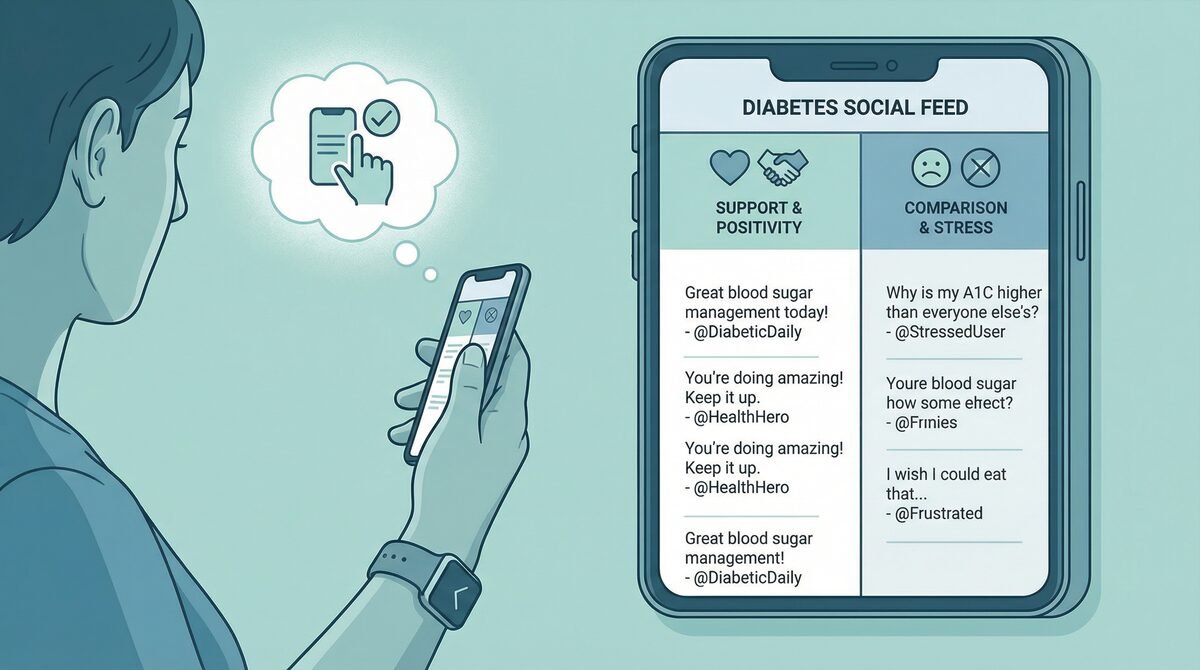
Furthermore, constant exposure to curated, often idealised, portrayals of diabetes management can lead to social comparison and feelings of inadequacy. Individuals may feel pressured to achieve unrealistic health goals or experience anxiety if their own journey does not align with the seemingly perfect experiences shared by others. This can contribute to increased stress, burnout, and negative body image, particularly among adolescents and young adults. [5]

⚠️ Warning: Beware of Unverified Claims

Be extremely cautious of social media posts promoting “miracle cures” or unproven alternative treatments for diabetes. These can be dangerous and may lead to serious health complications if they cause you to abandon evidence-based medical advice.

Navigating the Digital Landscape Safely

To harness the benefits of social media while mitigating its harms, individuals with diabetes should adopt a discerning approach:

  • Verify Sources: Always question the origin of health information. Prioritise content from qualified healthcare professionals, established diabetes organisations (e.g., Diabetes UK, NHS), and reputable research institutions.
  • Seek Professional Advice: Social media should complement, not replace, the advice of your healthcare team. Discuss any new information or treatment ideas with your doctor or diabetes educator before implementing them.
  • Curate Your Feed: Actively choose to follow accounts that provide positive, evidence-based, and supportive content. Unfollow or mute accounts that promote unrealistic expectations, generate anxiety, or spread misinformation.
  • Engage Critically: Participate in discussions with a healthy dose of scepticism. If something sounds too good to be true, it probably is.
  • Protect Your Privacy: Be mindful of the personal health information you share online. While support groups can be beneficial, exercise caution to avoid oversharing sensitive data.

✅ Key Takeaway

Social media offers a powerful platform for diabetes support and education, but it also presents risks like misinformation and social comparison. By critically evaluating sources, seeking professional advice, and curating your online environment, you can leverage social media as a valuable tool for managing your diabetes effectively and safely.

References:

میوزک تھراپی اور بلڈ شوگر: ذیابیطس کے انتظام کے لیے ایک ہم آہنگ نقطہ نظر

See also: Diabetes Medications: a complete guide — our complete pillar guide.

Music, a universal language, holds a surprising potential to harmonise with your diabetes management plan. Beyond its power to uplift spirits or soothe the soul, emerging evidence suggests that music therapy can play a supportive role in influencing blood sugar levels and enhancing overall well-being. This article explores the scientific basis behind music’s therapeutic effects and offers practical ways to integrate its benefits into your daily routine, providing a complementary approach to living well with diabetes.

The Science Behind the Harmony: How Music Affects Your Body

Our bodies respond to music in myriad ways, often unconsciously. These responses are deeply rooted in our physiological and psychological makeup.

Stress Reduction and Cortisol

Stress is a significant factor in blood sugar regulation. When we experience stress, our bodies release hormones such as cortisol. Cortisol, often dubbed the ‘stress hormone’, can elevate blood glucose levels by increasing glucose production in the liver and reducing insulin sensitivity. Chronic stress, therefore, can make diabetes management particularly challenging. Music, especially calming and rhythmic pieces, has been shown to significantly reduce stress and, consequently, lower cortisol levels. This reduction in stress hormones can indirectly contribute to more stable blood sugar readings.

⚠️ Warning: Chronic Stress and Blood Sugar

Unmanaged chronic stress can lead to persistently elevated cortisol levels, making it harder to control blood sugar. Incorporating stress-reducing activities like listening to music is crucial for effective diabetes management.

Autonomic Nervous System

The autonomic nervous system (ANS) controls involuntary bodily functions, including heart rate, blood pressure, and digestion. It comprises two main branches: the sympathetic (fight or flight) and parasympathetic (rest and digest) systems. Music can profoundly influence the ANS. Relaxing music tends to activate the parasympathetic system, leading to a decrease in heart rate, lower blood pressure, and a general state of calm. This physiological shift promotes relaxation, which is beneficial for metabolic processes and overall health.

Emotional Well-being

Beyond its physiological effects, music is a powerful tool for emotional regulation. It can improve mood, reduce feelings of anxiety and depression, and provide a sense of comfort and escapism. For individuals living with diabetes, who often face emotional burdens such as diabetes distress, music can offer a vital coping mechanism, fostering a more positive outlook and greater resilience.

Music’s Direct and Indirect Influence on Blood Sugar

The impact of music on blood sugar is multifaceted, involving both indirect pathways through stress reduction and potential direct effects on glucose metabolism.

Indirect Effects (Stress Pathway)

The most well-established link between music and blood sugar management is through its ability to mitigate stress. As discussed, reduced stress leads to lower cortisol levels, which in turn can help prevent stress-induced hyperglycaemia. Furthermore, music can improve sleep quality by promoting relaxation before bedtime. Adequate, restorative sleep is crucial for maintaining healthy blood sugar levels, as sleep deprivation can impair insulin sensitivity and glucose tolerance.

Potential Direct Effects

Emerging research suggests that music might have more direct effects on glucose levels. Some studies have observed a reduction in blood glucose during surgical procedures when patients listen to music, potentially due to reduced anxiety and pain. While these findings are promising, it is important to note that music therapy is generally considered a complementary approach, working alongside, rather than replacing, conventional diabetes treatments. Further research is needed to fully understand the direct mechanisms of music on glucose metabolism.

ℹ️ Info: Complementary vs. Curative

Music therapy is a complementary approach, meaning it supports and enhances conventional medical treatments. It is not a substitute for prescribed medications, dietary management, or regular exercise in diabetes care.

Integrating Music Therapy into Your Diabetes Care

Incorporating music into your daily routine can be a simple yet effective way to support your diabetes management. The key is to find what resonates with you personally.

Types of Music

There is no one-size-fits-all answer when it comes to the ‘best’ music for therapy. While calming genres like classical, ambient, or nature sounds are often recommended for relaxation, personal preference plays a crucial role. Music that evokes positive emotions and memories can be just as therapeutic. Experiment with different genres and artists to discover what helps you feel calm, uplifted, or focused.

Practical Applications

  • During Meals or After: Listening to soothing music during or after meals can promote a relaxed state, potentially aiding digestion and reducing post-meal blood sugar spikes associated with stress.
  • During Exercise: Upbeat, rhythmic music can enhance motivation, improve endurance, and reduce the perception of exertion during physical activity, making exercise more enjoyable and sustainable.
  • Before Sleep: Creating a calming playlist to listen to before bed can help signal to your body that it’s time to wind down, facilitating better sleep and, consequently, better blood sugar control.
  • Coping with Diabetes Distress: When feeling overwhelmed by the demands of diabetes management, music can serve as a powerful emotional outlet, helping to process feelings and reduce distress.

Formal Music Therapy

For those seeking a structured approach, working with a certified music therapist can be highly beneficial. These professionals use music interventions to achieve individualised goals, such as managing pain, reducing anxiety, improving communication, or enhancing emotional expression. A music therapist can tailor a programme specifically to your needs, integrating music into your diabetes care plan in a meaningful way.

Important Considerations and Future Outlook

While the benefits of music therapy are compelling, it is crucial to maintain a balanced perspective.

Complementary, Not Curative

Music therapy is a complementary therapy, meaning it works alongside, but does not replace, essential diabetes treatments such as medication, dietary management, and regular physical activity. It is an adjunct tool to enhance well-being and support overall health, not a cure for diabetes.

Consult Your Healthcare Team

Before making any significant changes to your diabetes management plan, including incorporating new therapies, always discuss them with your doctor or diabetes care team. They can provide personalised advice and ensure that music therapy integrates safely and effectively with your existing treatment regimen.

Ongoing Research

The field of music therapy and its impact on metabolic health is continually evolving. Researchers are actively exploring the precise mechanisms through which music influences blood sugar and overall well-being. This ongoing research promises to further illuminate the potential of music as a therapeutic tool in diabetes care.

نتیجہ اخذ کرنا

Music therapy offers a unique and accessible pathway to support individuals living with diabetes. By effectively reducing stress, influencing the autonomic nervous system, and enhancing emotional well-being, music can play a significant role in fostering more stable blood sugar levels and improving quality of life. Embracing music as a therapeutic tool can transform the daily challenges of diabetes management into a more harmonious journey.

✅ Key Takeaway

Music therapy can be a valuable complementary tool in diabetes management, primarily by reducing stress and improving emotional well-being, which indirectly supports blood sugar control. Always integrate it alongside conventional medical treatments and consult your healthcare team.

کام کا تناؤ اور ذیابیطس کا انتظام

Living with diabetes often presents a unique set of challenges, and the modern workplace can add another layer of complexity. The pressures of deadlines, demanding schedules, and a competitive environment can significantly impact one’s physical and mental well-being, particularly for individuals managing a chronic condition like diabetes. Understanding the intricate relationship between work stress and diabetes management is crucial for maintaining optimal health and preventing complications. This article explores how workplace stress affects blood sugar levels, outlines common challenges faced by those with diabetes in their professional lives, and offers practical, evidence-based strategies to navigate these pressures effectively.

Understanding Work Stress and Diabetes

When the body experiences stress, it triggers a ‘fight or flight’ response, releasing hormones such as cortisol and adrenaline. These hormones are designed to provide a quick energy boost, but they also make it harder for insulin to work effectively, a phenomenon known as insulin resistance. Consequently, blood sugar levels can rise. For individuals with diabetes, this physiological response can lead to hyperglycaemia (high blood sugar), making diabetes management more difficult. Prolonged or chronic stress can keep blood sugar levels elevated, increasing the risk of long-term diabetes complications.

ℹ️ Challenges of Diabetes Management in the Workplace

Managing diabetes in a work environment can be fraught with specific difficulties. Irregular work schedules, such as shift work, can disrupt meal times, medication schedules, and sleep patterns, all of which are vital for blood sugar control. The nature of some jobs may also limit opportunities for regular blood glucose monitoring, healthy eating, or physical activity. Furthermore, the stigma associated with diabetes can make employees hesitant to disclose their condition or request necessary accommodations, leading to increased stress and suboptimal self-care practices. The need to constantly monitor blood sugar, administer insulin, or manage dietary intake discreetly can add to the mental burden.

Coping Strategies for Work Stress

Effectively managing work stress is paramount for individuals with diabetes. Here are several strategies:

✅ Tips for Managing Stress

  • Structured Routine: Establish a consistent daily routine for meals, medication, and blood glucose monitoring, even on busy workdays. If shift work is unavoidable, work with your healthcare team to adapt your management plan.
  • Healthy Eating at Work: Prepare healthy meals and snacks in advance to avoid relying on unhealthy options or skipping meals. Keep emergency snacks on hand to manage potential hypoglycaemia (low blood sugar).
  • Physical Activity Breaks: Incorporate short bursts of physical activity throughout the workday. This could be a brisk walk during lunch, taking the stairs instead of the lift, or stretching exercises at your desk. Regular physical activity helps reduce stress and improve insulin sensitivity.
  • Mindfulness and Relaxation Techniques: Practise mindfulness, deep breathing exercises, or meditation during short breaks. These techniques can help calm the nervous system and reduce stress hormone levels.
  • Effective Time Management: Prioritise tasks, delegate when possible, and avoid overcommitting. Good time management can reduce feelings of being overwhelmed.
  • Set Boundaries: Learn to say no to additional responsibilities if your workload is already unmanageable. Protect your personal time to ensure adequate rest and recovery.

Seeking Support

Openly communicating with your employer and colleagues can create a more supportive work environment. Discussing your needs with your human resources department or manager can lead to reasonable accommodations, such as flexible break times or a private space for insulin administration. Building a strong support network, including family, friends, and a healthcare team, is also crucial. Sharing your feelings and challenges can alleviate emotional burden and provide valuable perspectives and solutions. Consider joining diabetes support groups, either online or in person, to connect with others facing similar experiences.

✅ Key Takeaway

Work stress can significantly impact diabetes management by affecting blood sugar levels and adherence to self-care routines. However, by implementing structured routines, adopting healthy workplace habits, practising stress-reduction techniques, and actively seeking support from employers and healthcare professionals, individuals with diabetes can effectively navigate workplace pressures and maintain optimal health. Prioritising self-care and open communication are key to thriving with diabetes in any professional setting.


Related articles

ارتھ ڈے: ذیابیطس میں ماحولیاتی عوامل

As Earth Day approaches, our thoughts often turn to the health of our planet. Yet, the intricate connection between environmental well-being and human health, particularly chronic conditions like diabetes, is frequently overlooked. This article delves into the profound, often hidden, ways in which our surroundings—from the air we breathe to the food we eat—influence the development and management of diabetes, urging a holistic perspective on both planetary and personal health.

Air Pollution: An Invisible Threat to Metabolic Health

The air we inhale daily, often laden with pollutants, poses a significant yet underestimated risk to our metabolic health. Research increasingly points to a strong correlation between exposure to fine particulate matter (PM2.5) and traffic-related air pollution and an increased risk of developing type 2 diabetes. These microscopic particles, once inhaled, can enter the bloodstream, triggering systemic inflammation and oxidative stress. This, in turn, can impair insulin sensitivity, leading to insulin resistance—a hallmark of type 2 diabetes—and disrupt the body’s ability to regulate blood glucose effectively.

Globally, the burden of air pollution on diabetes is substantial. Studies have estimated that a significant percentage of new diabetes cases worldwide could be attributable to air pollution, even at levels considered “safe” by some regulatory bodies. This invisible threat underscores the urgent need for cleaner air initiatives and greater awareness of its health implications.

⚠️ Warning: Living in Polluted Areas

Individuals residing in areas with high levels of air pollution, particularly near busy roadways or industrial zones, may face an elevated risk of developing type 2 diabetes. Consider monitoring local air quality reports and taking protective measures, such as using air purifiers indoors and limiting outdoor activities during peak pollution times.

The Built Environment: Shaping Our Health Choices

Beyond the air, the very design of our communities plays a crucial role in our diabetes risk. The “built environment” encompasses everything from urban planning and infrastructure to the availability of green spaces and healthy food options. A lack of safe and accessible walking paths, limited public transport, and insufficient green spaces can significantly reduce opportunities for physical activity, a cornerstone of diabetes prevention and management.

Furthermore, the concept of “food deserts” and “food swamps” highlights disparities in access to nutritious food. Food deserts are areas where residents have limited access to affordable and healthy food options, often relying on convenience stores with highly processed, calorie-dense foods. Conversely, food swamps are characterised by an abundance of unhealthy food outlets. Both scenarios contribute to poor dietary choices, increasing the risk of obesity and type 2 diabetes.

ℹ️ Info: Assessing Your Local Environment

Take a moment to evaluate your local environment. Are there safe pavements and parks for walking? Is fresh produce readily available and affordable? Understanding these factors can empower you to advocate for community changes or adapt your lifestyle to mitigate potential risks.

Climate Change: A Growing Concern for Diabetes Prevalence

The escalating climate crisis presents another complex layer to the diabetes epidemic. Rising global temperatures have been linked to an increase in diabetes incidence. Heat stress can compromise glucose metabolism, and prolonged exposure to higher temperatures may alter metabolic functions, making individuals more susceptible to diabetes.

Moreover, extreme weather events—such as floods, droughts, and heatwaves—disrupt healthcare access, food supply chains, and can significantly impact mental health. These disruptions can make consistent diabetes management challenging, leading to poorer health outcomes. While less direct, some research also explores potential links between climate change-induced shifts in vector populations and the spread of infectious agents that could, in rare cases, trigger certain forms of diabetes.

Chemical Exposures: Hidden Dangers in Our Daily Lives

Our modern world exposes us to a myriad of chemicals, some of which are increasingly implicated in diabetes development. Endocrine-disrupting chemicals (EDCs), found in plastics, pesticides, and personal care products, interfere with the body’s hormonal system. These chemicals can mimic or block hormones, disrupting the delicate balance required for proper glucose regulation and insulin function. Exposure to certain pesticides, for instance, has been consistently linked to an increased risk of type 2 diabetes.

✅ Tip: Reducing EDC Exposure

To minimise exposure to EDCs, opt for fresh, organic produce when possible, store food in glass or stainless steel containers instead of plastic, choose personal care products free from parabens and phthalates, and ensure good ventilation in your home.

The Gut Microbiome: An Internal Ecosystem Under Environmental Influence

The trillions of microorganisms residing in our gut, collectively known as the gut microbiome, play a pivotal role in our overall health, including metabolic regulation. Environmental factors, such as diet, exposure to pollutants, and lifestyle choices, profoundly shape the composition and function of this internal ecosystem. An imbalance in the gut microbiome, known as dysbiosis, has been associated with increased inflammation, altered energy metabolism, and insulin resistance, thereby contributing to diabetes risk.

Interplay of Factors and a Holistic Approach

It is crucial to recognise that these environmental factors rarely act in isolation. Instead, they often interact synergistically, amplifying their impact on diabetes risk. For example, individuals living in polluted, food-deserted areas with limited green spaces face a compounded risk. Addressing the diabetes epidemic, therefore, requires a holistic approach that considers not only individual lifestyle choices but also the broader environmental determinants of health.

Practical Steps for Individuals and Communities

While the scale of environmental challenges can seem daunting, both individual actions and community-level advocacy can make a difference. Individually, adopting a diet rich in whole foods, increasing physical activity, and consciously reducing exposure to environmental toxins can significantly mitigate risk. At a community level, supporting policies that promote cleaner air and water, invest in green infrastructure, and ensure equitable access to healthy food are vital steps towards creating healthier environments for all.

نتیجہ اخذ کرنا

On Earth Day and every day, understanding the intricate link between our environment and diabetes is paramount. The health of our planet is inextricably tied to our own. By acknowledging and addressing the environmental factors that contribute to diabetes, we can foster a future where both people and the planet can thrive. It is a call to action for greater awareness, informed choices, and collective effort to safeguard our metabolic health and the world we inhabit.

✅ Key Takeaway

Environmental factors such as air pollution, the built environment, climate change, and chemical exposures significantly influence diabetes risk and management. Adopting a holistic approach that combines individual healthy lifestyle choices with community-level advocacy for environmental protection is crucial for preventing and managing diabetes effectively.

ذیابیطس اور پی ٹی ایس ڈی: صدمے کے اثرات کو سمجھنا

Living with diabetes presents its own set of challenges, but for some, these challenges are compounded by the presence of Post-Traumatic Stress Disorder (PTSD). This complex relationship means that the impact of trauma can significantly affect how an individual manages their diabetes, influencing everything from blood sugar control to overall well-being. Understanding this connection is crucial for effective management and support.

What is PTSD?

Post-Traumatic Stress Disorder (PTSD) is a mental health condition that can develop after experiencing or witnessing a terrifying event. Symptoms can include flashbacks, nightmares, severe anxiety, and uncontrollable thoughts about the event. While often associated with combat veterans, PTSD can arise from various traumatic experiences, including accidents, abuse, natural disasters, or even medical events. For individuals with diabetes, trauma might stem from severe hypoglycaemic episodes, the shock of diagnosis, or the ongoing stress of managing a chronic condition.

ℹ️ Understanding Trauma

Trauma is not limited to major catastrophic events. For someone with diabetes, the trauma could be a severe hypoglycaemic episode, a difficult diagnosis, or the constant vigilance required for managing the condition.

The Link Between PTSD and Diabetes

Research has increasingly highlighted a significant, often bidirectional, link between PTSD and diabetes. Chronic stress, a hallmark of PTSD, can profoundly impact the body’s physiological responses, including blood sugar regulation. When under stress, the body releases hormones like cortisol and adrenaline, which can increase glucose production and reduce insulin sensitivity, making blood sugar control more difficult. This sustained physiological arousal can contribute to the development of Type 2 Diabetes (T2D) in individuals with PTSD.

Studies have shown a higher prevalence of T2D among individuals diagnosed with PTSD. Furthermore, the experience of living with diabetes itself can be traumatic, leading to diabetes-related post-traumatic stress symptoms (DR-PTSS). These symptoms might manifest as intense fear of complications, avoidance of diabetes-related activities like blood glucose monitoring or injections, and feelings of helplessness or anger related to the condition. This creates a challenging cycle where each condition can exacerbate the other.

How PTSD Affects Diabetes Management

PTSD can erect significant barriers to effective diabetes management, affecting both behavioural and physiological aspects.

Behavioural Impacts

Individuals with PTSD may struggle with adherence to their diabetes management plan. Symptoms such as avoidance, depression, and anxiety can lead to:

  • Difficulty with medication adherence: Forgetting to take insulin or oral medications, or intentionally skipping doses.
  • Poor dietary choices: Using food as a coping mechanism, leading to irregular eating patterns or consumption of unhealthy foods.
  • Reduced physical activity: Lack of motivation or energy, or avoidance of activities due to anxiety or fear.
  • Disrupted sleep patterns: Insomnia or nightmares can further impair glucose metabolism and increase stress.

Physiological Impacts

Beyond behavioural changes, the physiological toll of PTSD directly affects diabetes control:

  • Stress hormones: Elevated cortisol and adrenaline levels can lead to persistent hyperglycaemia (high blood sugar).
  • Inflammation: Chronic stress can promote systemic inflammation, which is linked to insulin resistance and cardiovascular complications.
  • Increased risk of complications: Poorly controlled blood sugar due to PTSD can accelerate the development of both microvascular (e.g., retinopathy, nephropathy) and macrovascular (e.g., heart disease, stroke) complications.

⚠️ Warning: The Vicious Cycle

The interplay between PTSD and diabetes can create a challenging cycle where each condition exacerbates the other, making effective management more difficult without targeted support.

Recognising the Signs

It is vital for individuals with diabetes and their healthcare providers to recognise the signs of PTSD or DR-PTSS. These might include:

  • Intense fear or anxiety related to diabetes procedures (e.g., injections, blood tests).
  • Avoidance of diabetes-related discussions, appointments, or self-care tasks.
  • Recurrent distressing memories or flashbacks related to diabetes events.
  • Increased irritability, difficulty concentrating, or hypervigilance.
  • Feelings of detachment or emotional numbness concerning their diabetes.

Coping Strategies and Support

Managing both PTSD and diabetes requires a comprehensive and integrated approach. Seeking professional help is a crucial first step.

Professional Support

  • Psychotherapy: Therapies such as Cognitive Behavioural Therapy (CBT) and Eye Movement Desensitisation and Reprocessing (EMDR) are highly effective for PTSD. These can help individuals process traumatic memories and develop healthier coping mechanisms.
  • Integrated Care: Working with healthcare providers who understand the interplay between mental and physical health is essential. Discussing mental health concerns openly with your diabetes care team can lead to better-coordinated treatment.

Self-Care and Lifestyle Adjustments

  • Mindfulness and Relaxation Techniques: Practices like deep breathing exercises, meditation, and yoga can help reduce stress, improve emotional regulation, and positively impact blood sugar levels.
  • Building a Support System: Connecting with family, friends, or diabetes support groups can provide emotional validation and practical advice. Sharing experiences can reduce feelings of isolation.
  • Healthy Lifestyle: Prioritising adequate sleep, maintaining a balanced diet, and engaging in regular physical activity are fundamental for both diabetes management and mental well-being. These habits can help stabilise mood and improve overall resilience.

✅ Key Takeaway

The intersection of diabetes and PTSD presents unique challenges, but it is a landscape that can be navigated with understanding, support, and effective strategies. Recognising the profound impact trauma can have on diabetes management is the first step towards fostering resilience and improving health outcomes. By addressing both conditions holistically, individuals can achieve better control over their diabetes and reclaim their emotional well-being. Remember, you are not alone, and help is available.