Social media platforms have become an integral part of modern life, offering vast networks for connection, information sharing, and community building. For individuals living with diabetes, these platforms present a dual-edged sword: a potential source of invaluable support and knowledge, yet also a breeding ground for misinformation and emotional distress. Understanding how to navigate this digital landscape is crucial for effective diabetes management.
The Power of Connection and Support
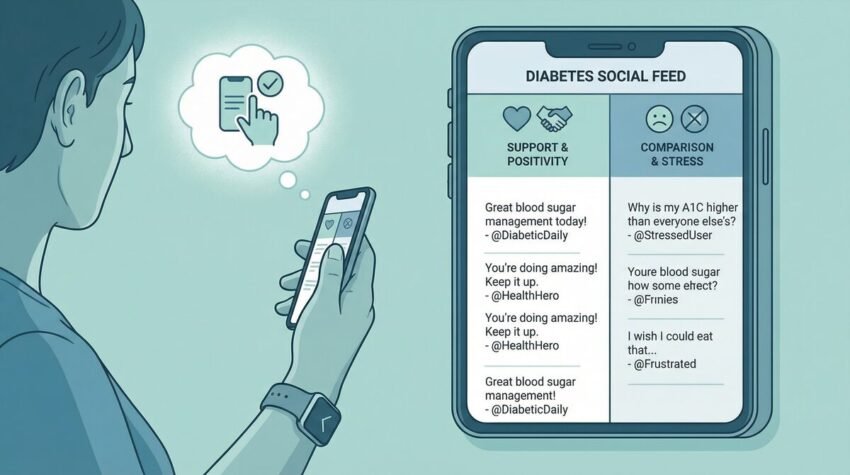
One of the most significant benefits of social media for people with diabetes is the opportunity to connect with others facing similar challenges. Online communities, forums, and support groups provide a safe space for individuals to share experiences, offer encouragement, and exchange practical advice. This peer-to-peer support can be particularly beneficial for those newly diagnosed or feeling isolated by their condition. Research indicates that engagement in diabetes online communities can lead to improved self-care behaviours and better glycaemic control by fostering a sense of belonging and reducing feelings of loneliness. [1] [2]
Access to Information and Education
Social media can also serve as a powerful educational tool. Healthcare professionals, diabetes organisations, and reputable health influencers often share evidence-based information, tips for managing blood glucose, healthy recipes, and exercise routines. This readily accessible content can supplement traditional healthcare advice, empowering individuals to make informed decisions about their health. For instance, platforms like Instagram have been shown to support young adults with ٹائپ 1 ذیابیطس by facilitating the sharing of information and fostering community. [3]
✅ Tip: Maximise Your Digital Support Network
Actively seek out and join reputable online diabetes communities. These platforms can offer invaluable emotional support and practical advice from peers who understand your journey. Remember to always cross-reference information with your healthcare provider.
The Pitfalls: Misinformation and Emotional Distress
Despite its advantages, social media carries substantial risks for the diabetes community. A primary concern is the proliferation of misinformation and unverified health claims. Unscrupulous individuals or companies may promote unproven remedies, dangerous diets, or misleading information about diabetes treatments, which can have severe consequences for those who follow such advice. [4] It is imperative for users to critically evaluate the source and credibility of health information encountered online.
Furthermore, constant exposure to curated, often idealised, portrayals of diabetes management can lead to social comparison and feelings of inadequacy. Individuals may feel pressured to achieve unrealistic health goals or experience anxiety if their own journey does not align with the seemingly perfect experiences shared by others. This can contribute to increased stress, burnout, and negative body image, particularly among adolescents and young adults. [5]
⚠️ Warning: Beware of Unverified Claims
Be extremely cautious of social media posts promoting “miracle cures” or unproven alternative treatments for diabetes. These can be dangerous and may lead to serious health complications if they cause you to abandon evidence-based medical advice.
Navigating the Digital Landscape Safely
To harness the benefits of social media while mitigating its harms, individuals with diabetes should adopt a discerning approach:
- Verify Sources: Always question the origin of health information. Prioritise content from qualified healthcare professionals, established diabetes organisations (e.g., Diabetes UK, NHS), and reputable research institutions.
- Seek Professional Advice: Social media should complement, not replace, the advice of your healthcare team. Discuss any new information or treatment ideas with your doctor or diabetes educator before implementing them.
- Curate Your Feed: Actively choose to follow accounts that provide positive, evidence-based, and supportive content. Unfollow or mute accounts that promote unrealistic expectations, generate anxiety, or spread misinformation.
- Engage Critically: Participate in discussions with a healthy dose of scepticism. If something sounds too good to be true, it probably is.
- Protect Your Privacy: Be mindful of the personal health information you share online. While support groups can be beneficial, exercise caution to avoid oversharing sensitive data.
✅ Key Takeaway
Social media offers a powerful platform for diabetes support and education, but it also presents risks like misinformation and social comparison. By critically evaluating sources, seeking professional advice, and curating your online environment, you can leverage social media as a valuable tool for managing your diabetes effectively and safely.
References:
- [1] Moulaei, K. (2022). The role of social networks in diabetes self‐care. Journal of Clinical Nursing, 31(9-10), 1259-1268. URL: https://pmc.ncbi.nlm.nih.gov/articles/PMC9059190/
- [2] Elnaggar, A. (2020). Patients’ Use of Social Media for Diabetes Self-Care. Journal of Medical Internet Research, 22(5), e14209. URL: https://pmc.ncbi.nlm.nih.gov/articles/PMC7210496/
- [3] Joslin Diabetes Center. (2025, August 28). Joslin Diabetes Center Experts Explored How Social Media Affects Self-Care. URL: https://joslin.org/news-stories/all-news-stories/news/2025/08/joslin-experts-explored-how-social-media-affects-self-care
- [4] KevinMD. (2025, August 15). New surge in misleading ads about diabetes on social media poses a serious health risk. URL: https://kevinmd.com/2025/08/new-surge-in-misleading-ads-about-diabetes-on-social-media-poses-a-serious-health-risk.html
- [5] Diabetes on the Net. (2024, October 14). How does social media affect adolescents living with type 1 diabetes?. URL: https://diabetesonthenet.com/journal-diabetes-nursing/social-media-adolescents-t1d/
 English
  Arabic
  Spanish
  Urdu
Urdu