March Kidney Health Check: Are You on Track?

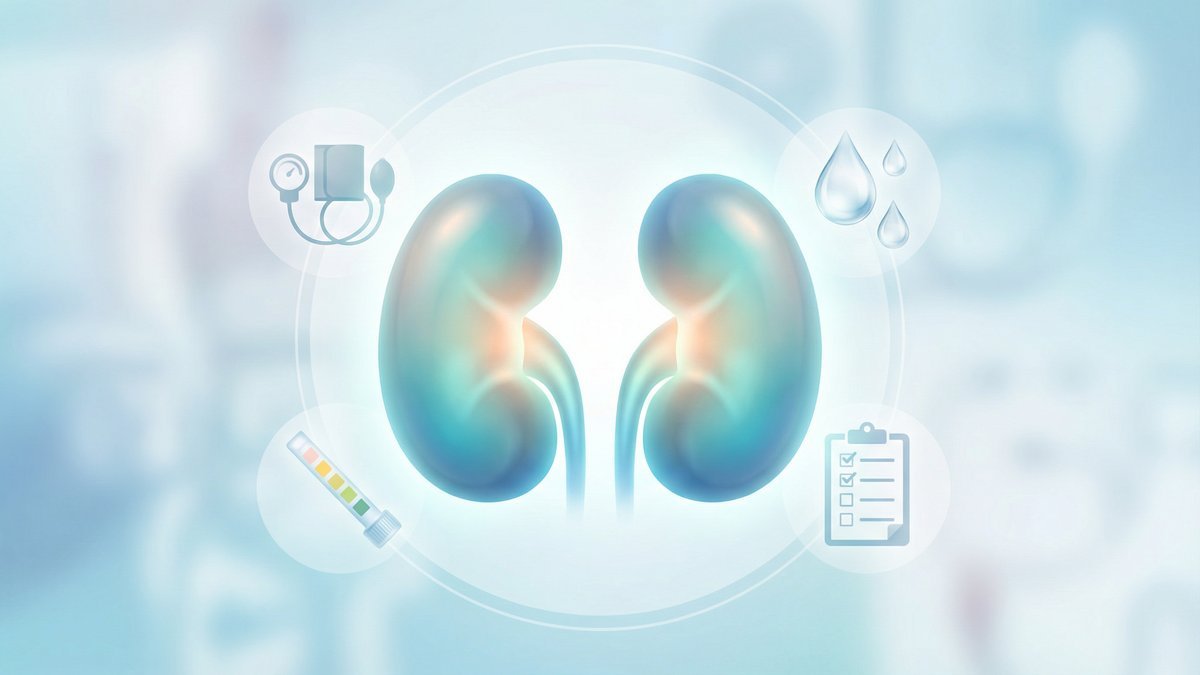
March Kidney Health Check – kidney health illustration for diabetes

See also: Diabetes Complications: Heart, Kidney, Eye, and Foot Health — our complete pillar guide.

As National Kidney Month comes to a close, it\’s the perfect time to do a personal check-in on your kidney health. Use this simple checklist to see if you are taking all the necessary steps to protect your vital organs.

Your Kidney Health Checklist

☐ Have I had my annual kidney screening this year?

This is the most important item on the list. If it has been more than a year, call your doctor today to schedule your two essential tests:

  • UACR (Urine Albumin-to-Creatinine Ratio): To check for protein in your urine.
  • eGFR (estimated Glomerular Filtration Rate): A blood test to measure your level of kidney function.

☐ Do I know my numbers?

Knowing your results is just as important as getting the tests. Ask your doctor for your latest UACR and eGFR numbers, and track them over time. Also, know your current A1c and your average blood pressure.

☐ Is my blood pressure well-controlled?

Are you consistently hitting your target of <130>

☐ Am I on kidney-protective medications?

If you have high blood pressure or any signs of kidney disease (protein in the urine), you should likely be on an ACE inhibitor or an ARB. If you have established CKD, discuss with your doctor whether an SGLT2 inhibitor or finerenone might be right for you.

☐ Am I avoiding kidney-harming drugs?

Are you using over-the-counter NSAIDs (like ibuprofen or naproxen) regularly? If so, talk to your doctor about safer alternatives for pain management.

☐ Is my diet kidney-friendly?

Are you actively trying to limit your sodium intake by avoiding processed foods and cooking from scratch more often? Are you incorporating fresh, whole foods into your diet?

Key Takeaway

Protecting your kidneys is a proactive, year-round job. This checklist can help you stay on track. If you answered ‘no’ to any of these questions, see it as an opportunity. Make that doctor\’s appointment, ask about your numbers, or try one new low-sodium recipe this week. Every small step you take is a powerful investment in your long-term health.

Related articles

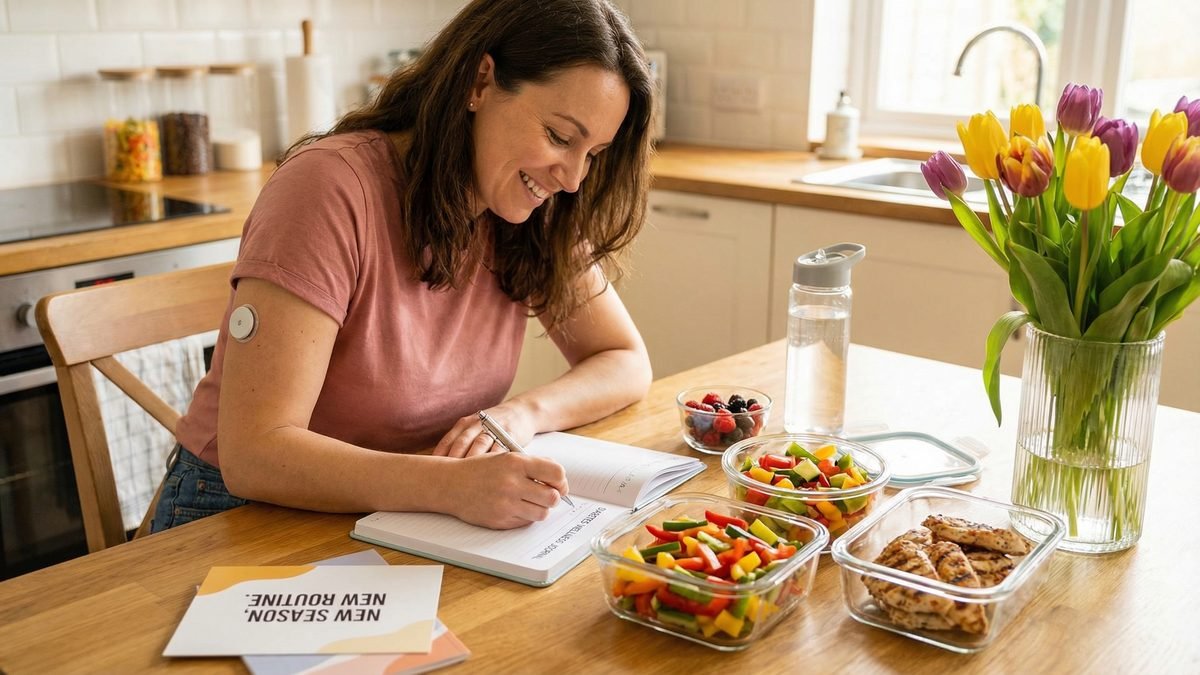
Refreshing Your Diabetes Routine for Spring

Spring is a natural reset point. The longer days, warmer temperatures, and sense of renewal that come with the season offer a genuine opportunity to refresh your approach to diabetes management. Here is how to use the season to your advantage.

Why Spring Is a Natural Reset

Winter often brings a cluster of diabetes management challenges: reduced physical activity, heavier comfort foods, disrupted sleep from shorter days, and the psychological weight of months of cold and grey. By the time spring arrives, many people with diabetes find their routines have drifted from where they want them to be.

This is not a failure — it is a predictable seasonal pattern. The important thing is to recognise it and use the energy and optimism of spring to recalibrate. Research on behaviour change consistently shows that fresh starts — new seasons, new months, new weeks — are psychologically powerful moments for initiating positive change.

Five Areas to Refresh This Spring

1. Your Physical Activity Routine

Winter exercise often defaults to indoor activities or, for many people, no exercise at all. Spring opens up a world of outdoor options: walking, cycling, gardening, outdoor swimming. Even a 20-minute daily walk has been shown to improve insulin sensitivity and reduce HbA1c. Start small and build gradually — the goal is consistency, not intensity.

2. Your Eating Patterns

Spring brings a new wave of seasonal produce: asparagus, radishes, peas, broad beans, spring onions, watercress. These vegetables are low in carbohydrates, rich in fibre and micronutrients, and ideal for blood sugar management. Use the season as an opportunity to introduce more variety into your diet and reduce reliance on the heavier, starchier foods of winter.

3. Your Monitoring Habits

If you have been less diligent about blood glucose monitoring over winter, spring is a good time to re-engage. Review your CGM data or blood glucose logs and identify patterns. Are there consistent highs after certain meals? Unexplained lows at particular times of day? Spring is also a good time to book your annual diabetes review if you have not done so recently.

⚠️ Seasonal Blood Sugar Changes
Blood glucose levels often improve naturally in spring and summer due to increased physical activity, more vitamin D from sunlight, and lighter eating patterns. If you use insulin, be aware that your doses may need to be adjusted downward as the season changes. Monitor more frequently during seasonal transitions.

4. Your Medication and Supply Organisation

Spring is an ideal time to audit your diabetes supplies. Check expiry dates on insulin, test strips, and lancets. Review your prescription to ensure you have adequate supplies. If you have been meaning to discuss a medication change or new technology with your diabetes team, book that appointment now.

5. Your Mental Approach

Diabetes management is as much a psychological challenge as a physical one. If you have been experiencing diabetes burnout — the exhaustion and disengagement that comes from the relentless demands of the condition — spring is a good time to seek support. This might mean talking to your diabetes nurse, joining a peer support group, or simply acknowledging that managing a chronic condition is genuinely hard and that it is acceptable to ask for help.

Setting Spring Goals That Stick

The most effective goals are specific, measurable, and small enough to be achievable. Rather than “I will exercise more,” try “I will walk for 20 minutes after dinner on Monday, Wednesday, and Friday.” Rather than “I will eat better,” try “I will add one serving of vegetables to my lunch every day this week.”

Small wins build momentum. Each successful day reinforces the identity of someone who manages their diabetes well, making the next day’s choices easier.

✅ Key Takeaway
Spring offers a genuine psychological and practical opportunity to refresh your diabetes management routine. Focus on one or two areas — perhaps outdoor activity and seasonal eating — and build from there. Small, consistent changes compound over time into significant improvements in blood glucose control, energy, and wellbeing.

Amycretin: A Look at Novo Nordisk’s Next Oral Hopeful

Novo Nordisk, the company behind semaglutide (Ozempic, Wegovy), is developing a next-generation oral medication called amycretin that combines two distinct hormonal mechanisms in a single pill. Early trial data suggests it may achieve weight loss results that surpass even injectable semaglutide.

What Is Amycretin?

Amycretin is an oral co-agonist that simultaneously activates two receptors: the GLP-1 receptor (the same target as semaglutide) and the amylin receptor. Amylin is a hormone co-secreted with insulin by the pancreatic beta cells. It slows gastric emptying, reduces appetite, and suppresses glucagon secretion — complementary mechanisms to those of GLP-1.

By combining both mechanisms in a single oral tablet, amycretin aims to achieve greater efficacy than either mechanism alone, while maintaining the convenience of an oral formulation.

Early Clinical Trial Results

In a Phase 1 trial published in 2024, amycretin demonstrated remarkable weight loss results. Participants receiving the highest dose achieved an average weight loss of approximately 13% of body weight over 12 weeks — a rate that, if sustained, would substantially exceed the weight loss seen with oral semaglutide (Rybelsus) and approach that of injectable semaglutide.

Blood glucose improvements were also significant, with meaningful reductions in HbA1c observed across all dose groups.

⚠️ Still in Early Development
Amycretin is currently in Phase 2 clinical trials. Phase 1 results are promising but involve small numbers of participants over short timeframes. Larger, longer trials are needed to confirm efficacy, establish the safety profile, and determine optimal dosing. Regulatory approval is likely several years away.

The Significance of an Oral Formulation

One of the most significant barriers to GLP-1 medication uptake is the requirement for weekly injections. Many people with diabetes or obesity are reluctant to begin injectable therapy, and the needle-free option of an oral medication could dramatically expand access to this class of treatment.

Oral semaglutide (Rybelsus) already exists, but its absorption is limited and it requires strict administration protocols (taken on an empty stomach with a small amount of water, 30 minutes before food). Amycretin’s oral formulation uses different absorption technology that Novo Nordisk hopes will be more convenient and effective.

How It Compares to the Competition

Medication Mechanism Route Weight Loss
Semaglutide (Ozempic/Wegovy) GLP-1 Weekly injection ~15–17%
Tirzepatide (Mounjaro) GLP-1 + GIP Weekly injection ~20–22%
Oral semaglutide (Rybelsus) GLP-1 Daily tablet ~5%
Amycretin (pipeline) GLP-1 + Amylin Daily tablet ~13%+ (early data)
✅ Key Takeaway
Amycretin represents a genuinely exciting development in diabetes and obesity pharmacology. Its dual GLP-1 and amylin mechanism, combined with an oral formulation, could offer superior weight loss and glucose control in a convenient tablet. However, it remains in early clinical development, and several years of trials are needed before it could reach patients.

Garden Planning for Low-Carb Vegetables

See also: Diabetes Diet: Mediterranean, Low-Carb, Keto and Plant-Based — our complete pillar guide.

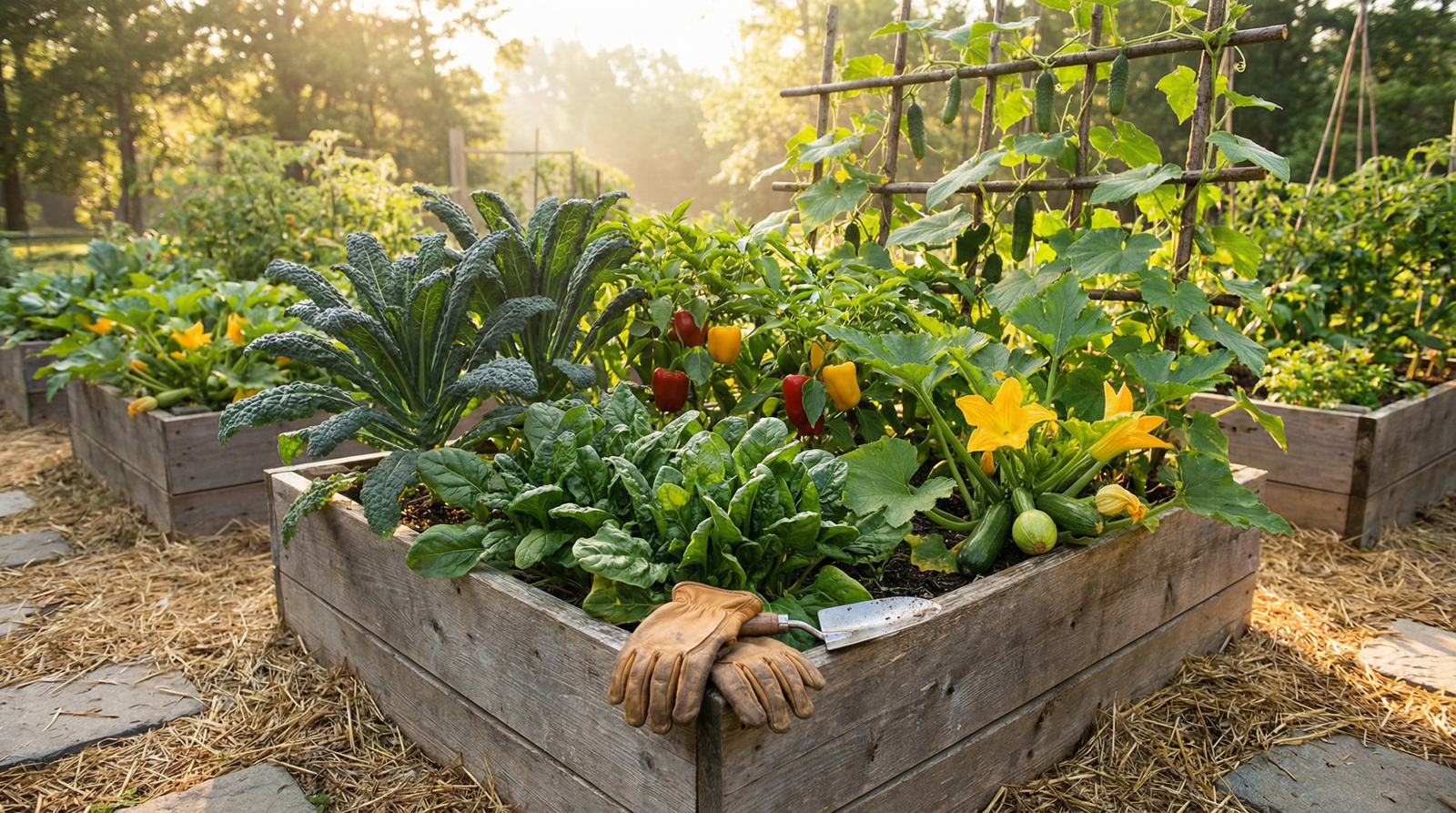
There is nothing quite like the taste of a vegetable picked fresh from your own garden. For people with diabetes, gardening is a fantastic hobby that provides gentle exercise, stress relief, and a bounty of fresh, low-carb produce. Now is the perfect time to plan your summer garden.

Best Low-Carb Vegetables to Grow

Focus on non-starchy vegetables that are easy to grow and have a minimal impact on blood sugar.

Easy for Beginners:

  • Zucchini & Summer Squash: Incredibly productive. Just a few plants can keep you supplied all summer. Perfect for grilling, sautéing, or making ‘zoodles.’
  • Leafy Greens: Lettuce, spinach, and kale can be grown in containers or directly in the ground. You can harvest leaves as needed, and they will keep producing.
  • Cucumbers: These grow on vines and will need a trellis or cage for support. Great for salads and fresh snacks.
  • Green Beans: Bush beans are easy to grow and don\’t require much support. They are a good source of fibre.

Intermediate Options:

  • Bell Peppers: Sweet and colourful, they love sunshine and warm weather. Grow them in a sunny spot.
  • Tomatoes: A garden classic. While technically a fruit, they are used as a vegetable. Cherry tomatoes are often easier to grow than larger varieties.
  • Broccoli & Cauliflower: These are cooler weather crops, so they are best planted in early spring or for a fall harvest.

Container Gardening: Don\’t have a yard? No problem! Many of these vegetables, especially leafy greens, herbs, peppers, and smaller tomato varieties, can be grown successfully in large pots on a sunny patio or balcony.

Planning Your Garden

  1. Sunlight: Most vegetables need at least 6-8 hours of direct sunlight per day. Observe your yard to find the sunniest spot.
  2. Soil: Good soil is the key to a good harvest. Amend your garden bed with compost to add rich organic matter.
  3. Water: Plan how you will water your garden. A soaker hose or drip irrigation system is more efficient than a sprinkler.
  4. Start Small: If you are new to gardening, it\’s easy to get overenthusiastic. Start with a small, manageable plot or a few containers. It\’s better to have a small, successful garden than a large, weedy, overwhelming one.

Key Takeaway

Gardening is a rewarding way to connect with your food, get some exercise, and stock your kitchen with healthy, low-carb vegetables. By starting small and choosing easy-to-grow varieties, you can enjoy a summer-long harvest that is great for your diabetes management.


Related articles

CagriSema: A Look at the Next-Generation Combination Drug

See also: Diabetes Medications: a complete guide — our complete pillar guide.

The world of diabetes and weight management is evolving at a breathtaking pace. While dual-action drugs like tirzepatide (Mounjaro) are making headlines, another powerful combination is on the horizon: CagriSema, which combines the well-known GLP-1 agonist semaglutide with a new drug called cagrilintide.

What is Cagrilintide?

Cagrilintide is a long-acting amylin analogue. Amylin is a hormone that is co-secreted with insulin from the pancreatic beta cells. It plays a key role in glucose regulation and appetite control by:

  • Slowing down gastric emptying, which makes you feel full for longer.
  • Suppressing the release of glucagon, a hormone that raises blood sugar.
  • Acting on the brain to promote a feeling of satiety (fullness).

People with type 1 diabetes do not produce amylin, and its production is impaired in type 2 diabetes.

The Power of Two: CagriSema

CagriSema is a once-weekly injectable that combines semaglutide (a GLP-1 agonist) and cagrilintide (an amylin analogue) in a single dose. These two drugs work on different but complementary pathways to control appetite and blood sugar.

Early-phase clinical trials have shown that this dual-action approach leads to even greater A1c reduction and more significant weight loss than either semaglutide or cagrilintide alone. In some studies, the weight loss achieved with CagriSema is approaching levels previously seen only with bariatric surgery.

Targeting Different Brain Pathways: GLP-1 and amylin work on different areas of the brain that control hunger and satiety. By targeting both pathways simultaneously, the combination appears to have a synergistic effect, leading to a more profound reduction in appetite and calorie intake.

The Future of Weight Management

CagriSema is still in late-stage clinical trials and is not yet available on the market. However, it represents the next wave of innovation in obesity and type 2 diabetes treatment. The development of these highly effective, multi-agonist drugs is shifting the paradigm, offering the potential for disease remission and a significant reduction in diabetes-related complications.

Key Takeaway

CagriSema is a promising investigational drug that combines the power of GLP-1 and amylin agonism. By targeting two key appetite-regulating pathways, it has the potential to deliver unprecedented levels of weight loss and glucose control, marking another major step forward in the fight against diabetes and obesity.

Preparing for Ramadan with Diabetes: A Guide to Safe Fasting

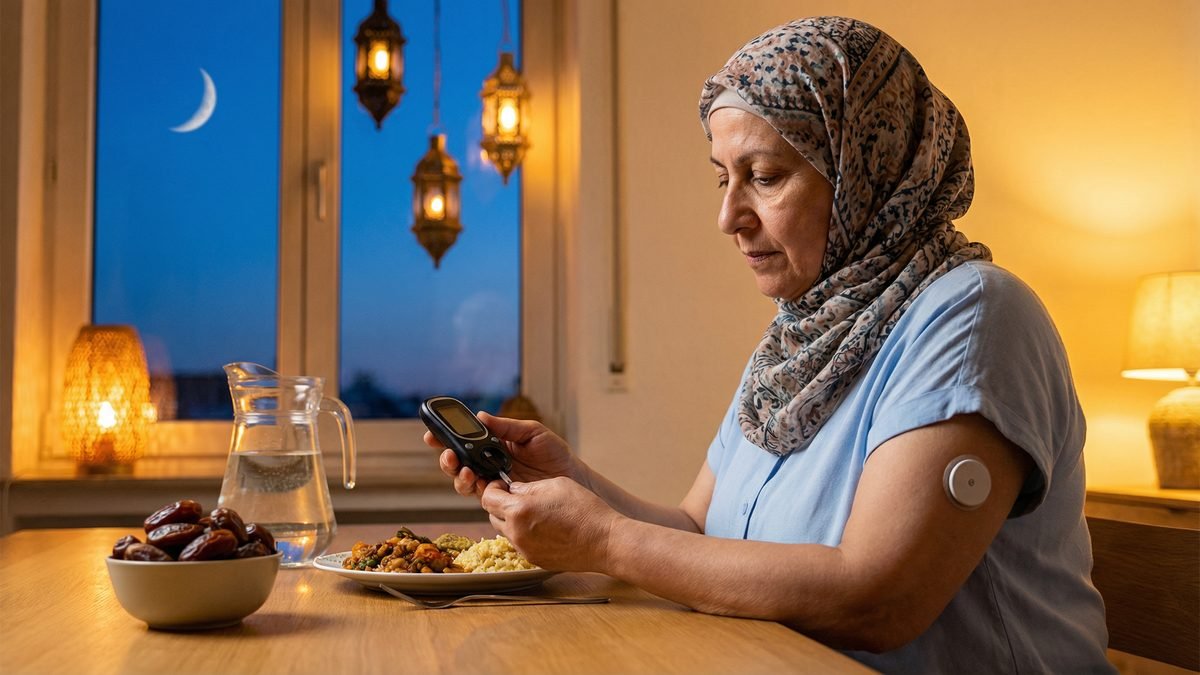
For Muslims with diabetes, the holy month of Ramadan presents a unique challenge: balancing the spiritual practice of fasting from dawn to sunset with the medical need for stable blood sugar control. With careful planning and close consultation with a healthcare team, it is possible to fast safely.

The Risks of Fasting with Diabetes

Fasting involves significant risks that must be managed:

  • Hypoglycemia (Low Blood Sugar): The risk of lows is highest during the long fasting hours of the day.
  • Hyperglycemia (High Blood Sugar): Overeating at the pre-dawn (Suhoor) and sunset (Iftar) meals can lead to dangerous spikes in blood sugar.
  • Dehydration: Not drinking fluids during the day, especially in warmer climates, can lead to dehydration, which concentrates blood glucose and can affect kidney function.
  • Diabetic Ketoacidosis (DKA): Particularly for people with type 1 diabetes, the risk of DKA can increase due to metabolic changes during fasting.

Consult Your Doctor First: It is absolutely essential to have a pre-Ramadan medical assessment at least 1-2 months before Ramadan begins. Your doctor will assess your individual risk and help you create a personalized management plan. Some individuals with very high risk (e.g., recent severe hypoglycemia, poor control, advanced complications) may be advised not to fast.

Key Strategies for Safe Fasting

  1. Medication Adjustments: This is the most critical part of the plan. Your doctor will likely need to change the type, dose, and timing of your insulin or oral medications. For example, doses of sulfonylureas are often reduced, and insulin regimens may be switched to better match the two-meal-a-day pattern.
  2. Frequent Monitoring: You must check your blood sugar much more frequently than usual, including during the fasting day. Islamic scholars have confirmed that pricking the finger for a blood test does not break the fast.
  3. Strategic Meals: Do not skip the pre-dawn Suhoor meal. It should contain complex, slow-release carbohydrates (like oats, barley, or whole-wheat bread) and protein to provide sustained energy. At the sunset Iftar meal, break the fast traditionally with dates and water, but then move on to a balanced meal, avoiding excessive sugary and fried foods.
  4. Hydration: Drink plenty of water and other sugar-free fluids between Iftar and Suhoor to stay well-hydrated.
  5. Know When to Break the Fast: You must be prepared to break your fast immediately if you experience hypoglycemia (blood sugar < 70 mg/dL or 3.9 mmol/L) or significant hyperglycemia. Your health comes first.

Key Takeaway

Fasting during Ramadan with diabetes is a major undertaking that requires careful planning, education, and medical supervision. By working with your healthcare team, adjusting medications, monitoring frequently, and planning your meals, you can honour your faith while protecting your health.

Kidney Transplant with Diabetes: A Second Chance at Life

See also: Diabetes Complications: Heart, Kidney, Eye, and Foot Health — our complete pillar guide.

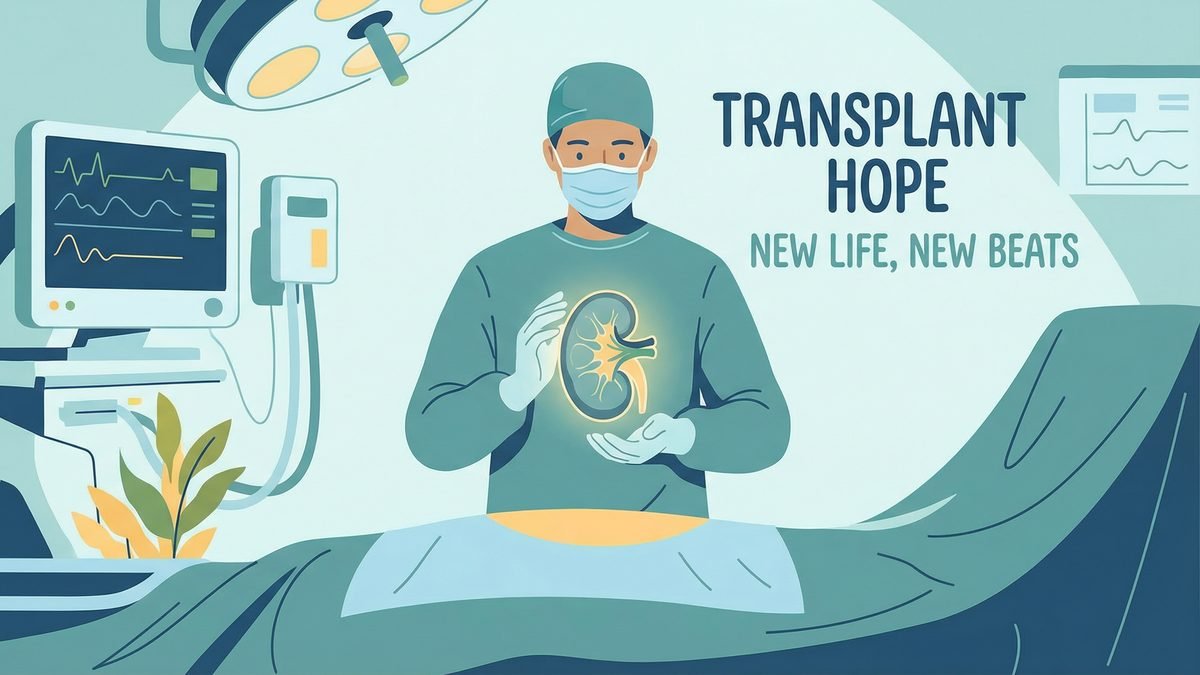
For people with diabetes who reach end-stage kidney disease, a kidney transplant offers the best quality of life and longest survival compared to dialysis. Understanding the process, the challenges, and the outcomes can help you or a loved one navigate this life-changing journey.

Why Diabetes Complicates Transplantation

Diabetes is the leading cause of end-stage kidney disease in most developed countries, accounting for approximately 40% of all new cases requiring kidney replacement therapy. People with diabetes who receive a kidney transplant face unique challenges compared to non-diabetic recipients:

  • Immunosuppressant medications (particularly tacrolimus and corticosteroids) worsen insulin resistance and can cause or exacerbate diabetes
  • Higher cardiovascular risk means more careful pre-transplant cardiac assessment is required
  • Slower wound healing increases the risk of post-surgical infections
  • The underlying cause of kidney failure (diabetes) remains present and can damage the new kidney over time

Simultaneous Pancreas-Kidney Transplant

For people with type 1 diabetes and end-stage kidney disease, a simultaneous pancreas-kidney (SPK) transplant offers the possibility of curing both conditions at once. A successful SPK transplant can restore normal insulin production and eliminate the need for insulin injections, while also providing a functioning kidney.

SPK transplants have excellent outcomes: five-year patient survival rates exceed 85%, and many recipients achieve normal blood glucose levels without insulin for years or even decades after transplantation.

⚠️ Post-Transplant Diabetes of a New Graft
Even with a successful kidney transplant, diabetes can damage the new kidney if blood glucose is not well controlled. Immunosuppressant medications make glucose management more challenging. Close monitoring and often intensified diabetes treatment are required after transplantation to protect the new kidney.

Outcomes and Survival

Despite the additional complexities, kidney transplantation offers significantly better outcomes for people with diabetes than dialysis. Studies consistently show that transplant recipients with diabetes have:

  • Longer survival than those remaining on dialysis
  • Better quality of life, including greater energy, freedom from dialysis sessions, and improved wellbeing
  • Reduced cardiovascular event rates compared to dialysis

The waiting time for a deceased donor kidney in the UK is typically three to five years. Living donor transplants, where a family member or friend donates a kidney, offer shorter waiting times and often better outcomes.

✅ Key Takeaway
Kidney transplantation is the best treatment for end-stage kidney disease in people with diabetes, offering better survival and quality of life than dialysis. For those with type 1 diabetes, a simultaneous pancreas-kidney transplant can potentially cure both conditions. Post-transplant diabetes management remains critical to protect the new kidney.

Related articles

American Diabetes Association Alert Day: Know Your Risk

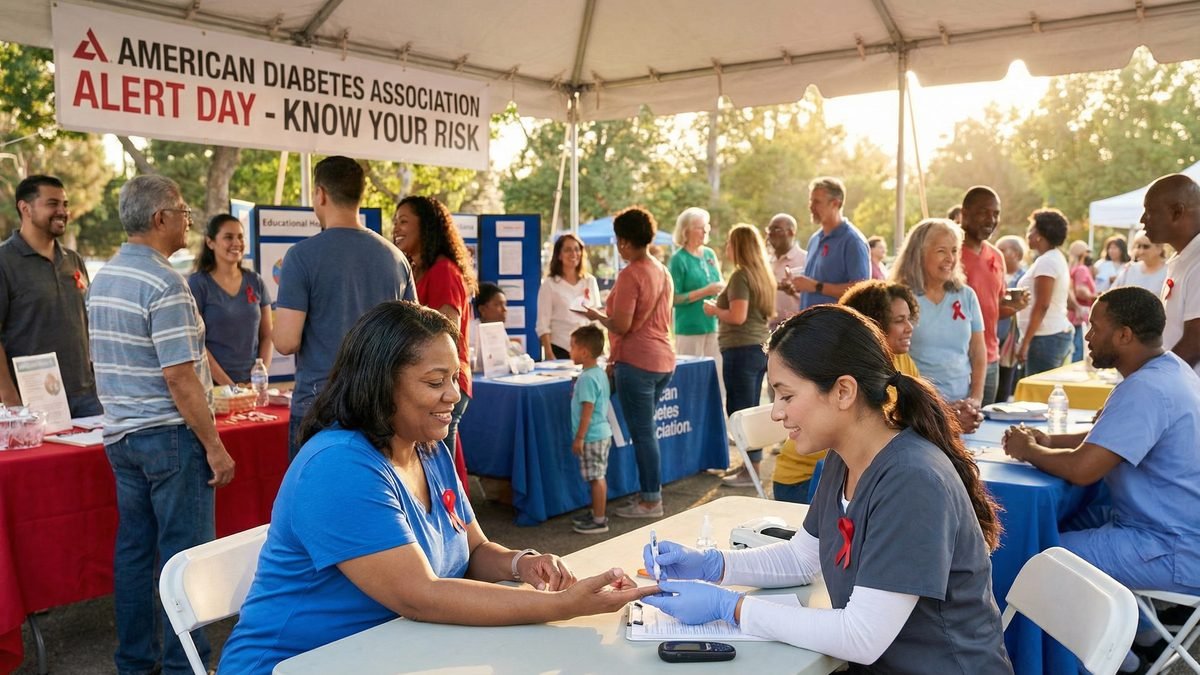
American Diabetes Association Alert Day, observed on the fourth Tuesday of March each year, is a national call to action for diabetes risk awareness. Millions of people are living with undiagnosed type 2 diabetes or prediabetes — and most do not know it. Could you be one of them?

The Scale of Undiagnosed Diabetes

According to the International Diabetes Federation, approximately 240 million people worldwide are living with undiagnosed type 2 diabetes. In the United States alone, the CDC estimates that 8.5 million people have diabetes but have not yet been diagnosed. A further 98 million American adults — more than one in three — have prediabetes, and the vast majority are unaware of it.

This matters because type 2 diabetes and prediabetes cause damage silently. By the time symptoms appear, significant harm may already have been done to the kidneys, eyes, nerves, and cardiovascular system.

The ADA Risk Test

The ADA’s Type 2 Diabetes Risk Test is a simple seven-question screening tool that takes less than two minutes to complete. It assesses the following risk factors:

Risk Factor Why It Matters
Age (45 or older) Risk increases significantly with age
خاندانی تاریخ First-degree relative with diabetes doubles risk
Gestational diabetes history 50% lifetime risk of type 2 diabetes
Physical inactivity Sedentary lifestyle reduces insulin sensitivity
High blood pressure Strongly associated with insulin resistance
Overweight or obesity Visceral fat drives insulin resistance
Ethnicity Higher risk in Black, Hispanic, Asian, and Native American populations
⚠️ Prediabetes Is Reversible
A prediabetes diagnosis is not a life sentence. The landmark Diabetes Prevention Program study demonstrated that lifestyle intervention — losing 5–7% of body weight and achieving 150 minutes of moderate exercise per week — reduced the progression from prediabetes to type 2 diabetes by 58%. Metformin reduced progression by 31%. Early action is transformative.

When to Get Tested

The ADA recommends screening for type 2 diabetes in the following groups:

  • Adults aged 35 or older, regardless of risk factors
  • Adults of any age who are overweight or obese and have one or more additional risk factors
  • Women who had gestational diabetes
  • Anyone with prediabetes (retest every one to two years)

Screening involves a simple blood test: a fasting plasma glucose, an HbA1c, or a two-hour oral glucose tolerance test. Any GP can arrange this.

✅ Key Takeaway
ADA Alert Day is a reminder that millions of people are living with undiagnosed diabetes or prediabetes. Knowing your risk is the first step. If you have risk factors, ask your GP for a simple blood test. If you have prediabetes, lifestyle changes can prevent or significantly delay the development of type 2 diabetes.

Spring Salads: 5 Diabetes-Friendly, Kidney-Conscious Recipes

See also: Diabetes Complications: Heart, Kidney, Eye, and Foot Health — our complete pillar guide.

Spring brings an abundance of fresh, vibrant ingredients that are ideal for blood sugar management and kidney health. These five salads are designed to be low in sodium, moderate in potassium, and satisfying enough to serve as a complete meal.

Recipe 1: Roasted Chicken and Asparagus Salad

Diabetes-Friendly Highlights: High protein, low carbohydrate, kidney-conscious (low sodium, moderate potassium)

Ingredients (serves 2):

  • 200g cooked chicken breast, sliced
  • 200g asparagus spears, roasted
  • 80g mixed salad leaves
  • 50g cucumber, sliced
  • 1 tbsp olive oil, 1 tsp lemon juice, black pepper

Nutrition Facts (per serving): Calories: 285 | Carbs: 6g | Protein: 38g | Fat: 12g | Sodium: 95mg | Potassium: 480mg

Instructions: Toss asparagus in olive oil and roast at 200°C for 12 minutes. Arrange salad leaves on a plate, top with chicken and asparagus, add cucumber. Drizzle with lemon juice and season with black pepper.

Diabetes Management Tips: Asparagus is low-GI and contains chromium, which may enhance insulin action. The high protein content promotes satiety and has minimal impact on blood glucose.

Storage and Leftovers: Store components separately in the fridge for up to 2 days. Dress just before serving.

Recipe 2: Smoked Mackerel and Cucumber Salad

Diabetes-Friendly Highlights: Omega-3 rich, heart and kidney protective, very low carbohydrate

Ingredients (serves 2):

  • 150g smoked mackerel fillets (no added salt variety)
  • 1 large cucumber, diced
  • 2 spring onions, sliced
  • 1 tbsp capers (rinsed to reduce sodium)
  • 1 tbsp olive oil, 1 tsp white wine vinegar, dill

Nutrition Facts (per serving): Calories: 310 | Carbs: 4g | Protein: 22g | Fat: 23g | Sodium: 180mg | Potassium: 390mg

Instructions: Flake mackerel into chunks. Combine cucumber, spring onions, and capers. Whisk olive oil and vinegar, pour over salad. Top with mackerel and fresh dill.

Diabetes Management Tips: Mackerel’s omega-3 fatty acids reduce inflammation and support cardiovascular health — particularly important given the elevated heart disease risk in diabetes.

Storage and Leftovers: Best eaten fresh. Refrigerate for up to 1 day.

Recipe 3: Egg and Radish Spring Salad

Diabetes-Friendly Highlights: Very low carbohydrate, high protein, very low sodium and potassium

Ingredients (serves 2):

  • 4 hard-boiled eggs, halved
  • 100g radishes, sliced
  • 60g watercress
  • 30g rocket
  • 1 tbsp olive oil, 1 tsp Dijon mustard, 1 tsp apple cider vinegar

Nutrition Facts (per serving): Calories: 240 | Carbs: 3g | Protein: 16g | Fat: 18g | Sodium: 160mg | Potassium: 280mg

Instructions: Arrange watercress and rocket on plates. Add radishes and eggs. Whisk olive oil, mustard, and vinegar for dressing. Drizzle over salad.

Diabetes Management Tips: Eggs have a glycaemic index of zero and provide complete protein. Radishes are exceptionally low in both carbohydrates and potassium.

Storage and Leftovers: Store components separately. Eggs keep for 3 days in the fridge.

Recipe 4: Grilled Halloumi and Courgette Salad

Diabetes-Friendly Highlights: Vegetarian, moderate protein, low carbohydrate. Note: halloumi is higher in sodium — use sparingly if sodium-restricted.

Ingredients (serves 2):

  • 150g halloumi, sliced and grilled
  • 2 medium courgettes, ribboned with a peeler
  • 60g rocket
  • 1 tbsp olive oil, 1 tsp lemon zest, fresh mint

Nutrition Facts (per serving): Calories: 320 | Carbs: 7g | Protein: 20g | Fat: 24g | Sodium: 420mg | Potassium: 360mg

Instructions: Grill halloumi slices for 2 minutes each side. Toss courgette ribbons with olive oil and lemon zest. Arrange rocket, courgette, and halloumi. Garnish with fresh mint.

Diabetes Management Tips: Courgette is one of the lowest-carbohydrate vegetables available, making it ideal for blood sugar management.

Storage and Leftovers: Best eaten immediately. Halloumi becomes rubbery when cold.

Recipe 5: Tuna and White Bean Salad

Diabetes-Friendly Highlights: High fibre, high protein, moderate carbohydrate with low glycaemic impact

Ingredients (serves 2):

  • 1 tin tuna in spring water (drained)
  • 200g tinned white beans (rinsed thoroughly to reduce sodium)
  • 80g mixed leaves
  • 50g cherry tomatoes, halved
  • 1 tbsp olive oil, 1 tsp red wine vinegar, parsley

Nutrition Facts (per serving): Calories: 295 | Carbs: 22g | Protein: 30g | Fat: 8g | Sodium: 140mg | Potassium: 520mg

Instructions: Rinse beans well under cold water. Combine all ingredients and toss with olive oil and vinegar. Season with black pepper and fresh parsley.

Diabetes Management Tips: White beans have a low glycaemic index of approximately 31. Their high fibre content slows glucose absorption. Rinsing tinned beans removes up to 40% of sodium.

Storage and Leftovers: Refrigerate for up to 2 days. The flavours improve overnight.

✅ Key Takeaway
These five spring salads demonstrate that eating for kidney health and blood sugar control does not mean sacrificing flavour or satisfaction. By choosing low-sodium ingredients, rinsing tinned foods, and building meals around protein and non-starchy vegetables, you can create meals that protect both your kidneys and your glucose levels simultaneously.

Related articles

Dialysis and Diabetes: What to Expect When Kidneys Fail

See also: Diabetes Complications: Heart, Kidney, Eye, and Foot Health — our complete pillar guide.

For people with end-stage renal disease (ESRD), when the kidneys have lost most of their ability to function, dialysis is a life-sustaining treatment that takes over the job of filtering the blood. While the thought of dialysis can be daunting, understanding the process can help demystify it.

What is Dialysis?

Dialysis is a medical procedure that removes waste products, toxins, and excess fluid from the blood when the kidneys are no longer able to. There are two main types of dialysis.

1. Hemodialysis (HD)

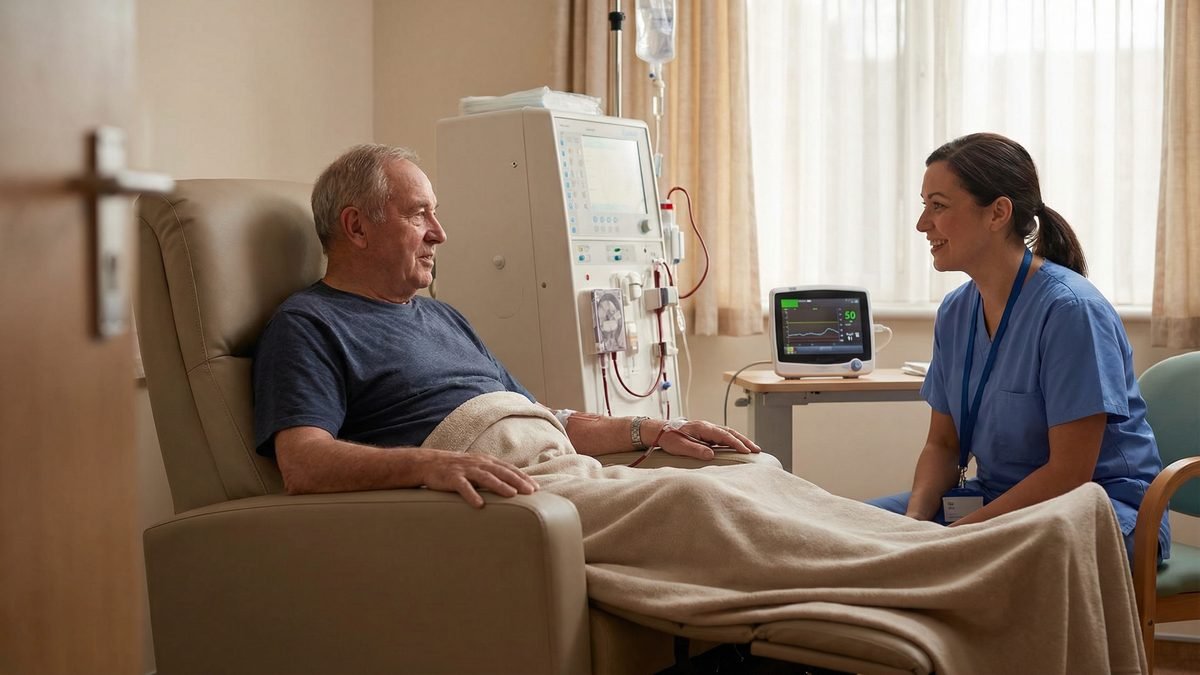
This is the most common type of dialysis. During hemodialysis, blood is drawn from your body through a surgically created access point (usually in the arm), circulated through a machine with a special filter called a dialyzer (the ‘artificial kidney’), and then returned to your body.

  • Where: Hemodialysis is typically done at a specialized dialysis centre, three times a week, with each session lasting about 3-4 hours. Home hemodialysis is also an option for some people.
  • Access: Requires a vascular access, which can be an AV fistula (a surgical connection between an artery and a vein), an AV graft (a synthetic tube connecting an artery and a vein), or a central venous catheter. Fistulas are considered the gold standard as they last longer and have a lower risk of infection.

2. Peritoneal Dialysis (PD)

In peritoneal dialysis, the inside lining of your own abdomen (the peritoneal membrane) acts as the natural filter. A soft plastic tube called a catheter is surgically placed in your abdomen. A sterile cleansing fluid called dialysate is infused into your abdominal cavity through this catheter. The fluid dwells there for a set period, drawing waste products and excess fluid from your blood. The fluid is then drained out and discarded.

  • Where: PD is a home-based therapy. It offers more flexibility and can be done while you sleep (using a machine called a cycler) or manually through several exchanges during the day.
  • Benefits: PD is a gentler process and can be a great option for those who want more independence and control over their treatment schedule.

Diabetes Management on Dialysis: Blood sugar control remains important on dialysis, but it can be unpredictable. The dialysis fluid contains glucose, which can affect your blood sugar levels. Many people find they need less insulin, as the kidneys are no longer breaking it down. Close monitoring and working with your healthcare team are essential.

Key Takeaway

Dialysis is not a cure for kidney failure, but it is a life-saving treatment that allows people to live for many years. Both hemodialysis and peritoneal dialysis have their own pros and cons. The choice between them depends on your medical condition, lifestyle, and personal preference. It is a decision made in close consultation with your nephrologist and healthcare team.


Related articles