See also: Insulin Resistance: Causes, Tests, and How to Reverse It — our complete pillar guide.
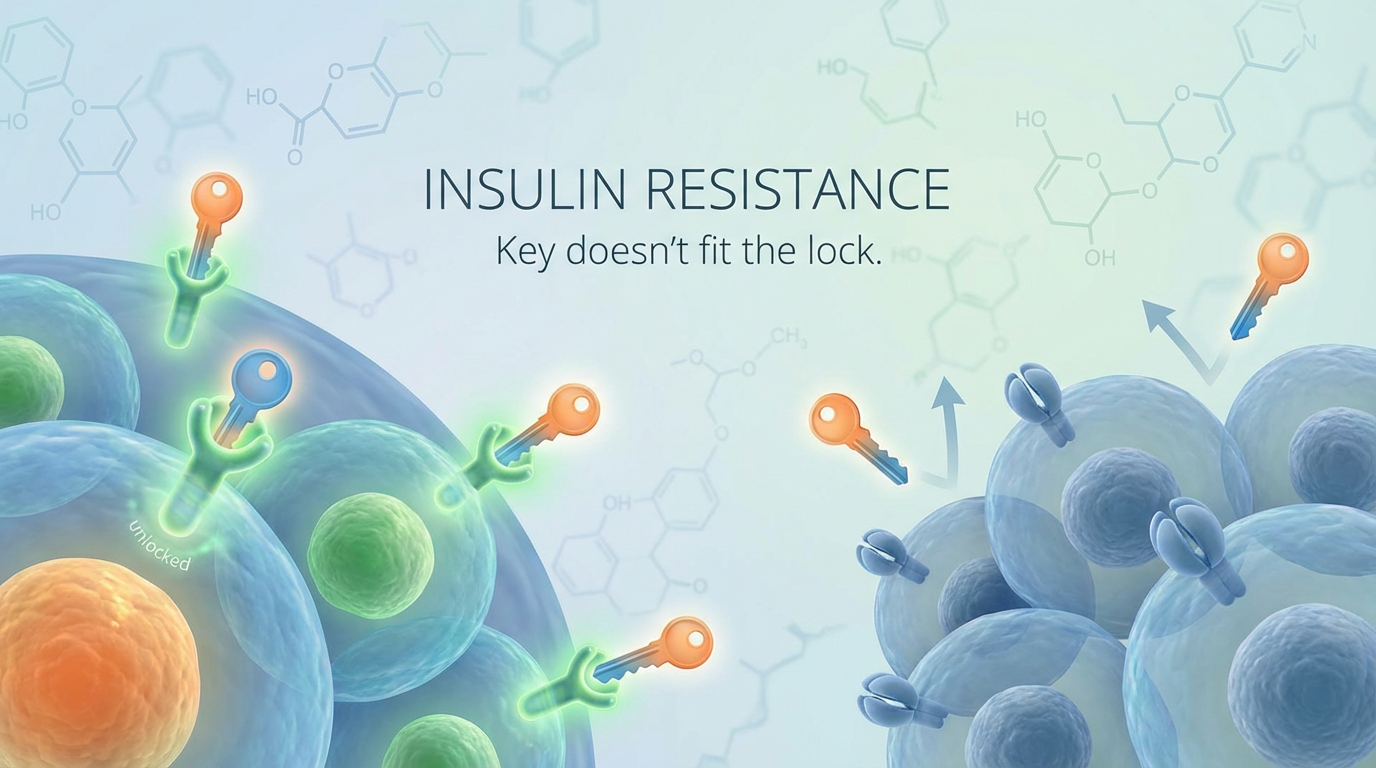
Millions of people around the world experience a complete life transformation when doctors diagnose them with type 2 diabetes. But what if the journey toward this chronic condition began years, or even decades, earlier? Insulin resistance exists as the fundamental silent cause which directly leads to the development of type 2 diabetes. The fundamental metabolic condition requires medical professionals to identify it as their first essential step for preventing and treating high blood sugar. Insulin resistance occurs when the cells in your muscles and fat tissue and liver stop responding properly to insulin. The locks on your cells appear to have developed rust which renders the insulin key less effective. The pancreas produces insulin to function as a key which opens cells so blood sugar can enter for energy use. Blood sugar stability depends on this vital process. Your body functions normally when you eat food that contains carbohydrates because these carbohydrates transform into glucose during digestion. The pancreas responds to glucose entering the bloodstream by releasing insulin. The blood carries insulin to reach cell surface receptors through binding. The binding process activates glucose channels which enable the transfer of blood sugar into the cells. Blood sugar levels return to a normal range. The system provides your body with essential fuel while protecting you from the dangerous effects of high blood sugar levels. What Happens in Insulin Resistance? The body loses its ability to maintain this process when insulin resistance develops. The cells in your muscles, fat, and liver start to ignore or “resist” the signal from insulin. Your cells’ locks have developed rust which makes the insulin key less effective. The pancreas increases its insulin output to counter the resistant cells which need higher levels of insulin for glucose absorption. The body produces an excessive amount of insulin which leads to the medical condition called hyperinsulinemia. The body maintains normal blood sugar levels through this mechanism for a certain period of time. However, this is a temporary and unsustainable solution. The method functions as a stopgap solution which cannot be sustained over time. The Consequences of High Insulin While the pancreas is working hard to keep blood sugar in check, the chronically high levels of insulin can have their own set of negative consequences, contributing to: Weight Gain: Insulin functions as a hormone which helps the body store fat. The body stores excess fat in the abdominal area when levels reach a certain point which makes weight loss more difficult. The body develops chronic hyperinsulinemia which results in low-grade inflammation that raises the risk of multiple chronic diseases. The body experiences cardiovascular strain because high insulin levels create three dangerous conditions which increase heart disease risk. The body requires about 10 to 15 years to reach a point where the pancreas fails to meet its growing need for insulin production. The beta cells in the pancreas work hard but they reach their limit which stops them from producing enough insulin to fight against resistance. The body reaches a critical point when blood sugar levels exceed normal limits which leads to a prediabetes diagnosis. The pancreas will create higher blood sugar levels when the process continues without intervention. When they reach a certain threshold, a diagnosis of type 2 diabetes is made. The body faces two major issues during this stage because it has substantial insulin resistance together with inadequate insulin production. The body develops insulin resistance because of different underlying causes. Insulin resistance develops from multiple factors yet two main elements stand out as primary causes: Excess Body Weight, Especially Visceral Fat: Fat stored around the abdominal organs is metabolically active and releases inflammatory substances that interfere with insulin signaling. Physical Inactivity: Regular exercise makes your cells more sensitive to insulin. A sedentary lifestyle has the opposite effect. Genetics and Family History: Having a close relative with type 2 diabetes increases your risk. The combination of refined carbohydrates with unhealthy fats in processed foods leads to inflammation and weight gain which results in insulin resistance. Chronic Inflammation: As mentioned, inflammation from various sources can disrupt insulin signaling pathways. The Good News: You Can Take Control The progression from insulin resistance to type 2 diabetes presents a major health issue but this condition never has to happen. The early stages of insulin resistance allow for possible reversal through proper treatment. Lifestyle interventions stand as the most effective method to boost insulin sensitivity. A healthy diet together with regular exercise and weight control will make your cells respond better to insulin while easing pancreatic demand and preventing type 2 diabetes. The proactive method serves as the foundation for contemporary diabetes prevention together with its treatment.
Additional notes
Insulin resistance is a critical health condition that stands as a primary precursor to type 2 diabetes. It affects millions of people worldwide, many of whom are unaware they have it. This article provides a comprehensive overview of insulin resistance, exploring its mechanisms, causes, symptoms, and its direct link to the development of type 2 diabetes.
Insulin resistance is a condition where cells in your muscles, fat, and liver do not respond effectively to insulin, a hormone produced by the pancreas. Insulin plays a crucial role in regulating blood glucose (sugar) levels by helping glucose enter cells to be used for energy. When cells become resistant to insulin, they are unable to take up glucose from the blood efficiently. This leads to a buildup of glucose in the bloodstream, a condition known as hyperglycemia. [1]
To compensate for this resistance, the pancreas works harder to produce more insulin, a state called hyperinsulinemia. For a while, this increased insulin production can maintain normal blood glucose levels. However, if the cells become too resistant, or if the pancreas can no longer keep up with the high demand for insulin, blood sugar levels will rise, eventually leading to prediabetes and type 2 diabetes. [2]
The Development and Causes of Insulin Resistance
Insulin resistance does not develop overnight. It is a gradual process that can be influenced by a combination of genetic and lifestyle factors. While the exact mechanisms are still being researched, several key contributors have been identified.
- Excess Body Fat: Obesity, particularly excess visceral fat (fat around the organs), is a primary cause of insulin resistance. [3]
- Physical Inactivity: A sedentary lifestyle contributes to insulin resistance. Exercise makes the body more sensitive to insulin and helps muscles use glucose for energy. [3]
- Diet: A diet high in processed foods, saturated fats, and refined carbohydrates has been strongly linked to the development of insulin resistance. [4]
- Genetics: A family history of type 2 diabetes, prediabetes, or polycystic ovary syndrome (PCOS) can increase the risk of developing insulin resistance. [1]
- Medications: Certain medications, such as steroids, some blood pressure drugs, and HIV treatments, can cause insulin resistance. [1]
- Hormonal Disorders: Conditions like Cushing’s syndrome and acromegaly can lead to insulin resistance due to their effects on hormone levels. [1]
In its early stages, insulin resistance often has no noticeable symptoms, especially if the pancreas is still able to produce enough insulin to manage blood sugar. This is why many people are unaware they have the condition. However, as insulin resistance progresses and blood sugar levels rise, certain signs and symptoms may appear.
- Increased thirst and frequent urination: As excess glucose is flushed from the body, it pulls water with it, leading to dehydration and increased thirst.
- Increased hunger: Even with high blood sugar, the cells are not getting the glucose they need for energy, which can trigger feelings of hunger.
- Unexplained weight loss: In some cases, the body may start breaking down muscle and fat for energy, leading to weight loss.
- Fatigue: The body’s inability to use glucose for energy can result in persistent tiredness.
- Blurred vision: High blood sugar can affect the lenses of the eyes, causing temporary vision problems.
Some people with prediabetes may notice specific skin changes, including:
- Acanthosis nigricans: This condition causes darkened, velvety patches of skin, usually in the armpits, neck, or groin.
- Skin tags: These are small, benign skin growths that can appear in the same areas as acanthosis nigricans.
The Link Between Insulin Resistance and Type 2 Diabetes
Insulin resistance is the most significant predictor of the future development of type 2 diabetes. It is estimated that insulin resistance may precede a type 2 diabetes diagnosis by 10 to 15 years. The progression from insulin resistance to type 2 diabetes follows a clear pathway:
- Insulin Resistance: Cells become less responsive to insulin.
- Hyperinsulinemia: The pancreas compensates by producing more insulin.
- Pancreatic Strain: Over time, the insulin-producing beta cells in the pancreas can become overworked and begin to fail.
- Prediabetes: Blood sugar levels become elevated but are not yet high enough for a diabetes diagnosis.
- Type 2 Diabetes: The pancreas can no longer produce enough insulin to overcome the resistance, leading to chronically high blood sugar levels.
 English
  Arabic
  Spanish
  Urdu
Urdu