
سفر اور انسولین

Airport 2373727 - diabetes care and management

Planning Travel and Insulin management requires preparation, but it shouldn’t stop you from exploring the world.

There are lot of things to plan when taking a trip. Patients with diabetes taking Insulin should be able to enjoy their trip without any problem. However, this could only happen if things are planned well in advance. [1]

اگر آپ کو یقین نہیں ہے تو ، سفر سے پہلے ہی اپنے ڈاکٹر سے رابطہ کرنا ضروری ہے۔

یہ یقینی بنانا ضروری ہے کہ مندرجہ ذیل چیزوں کا احاطہ کیا گیا ہو:

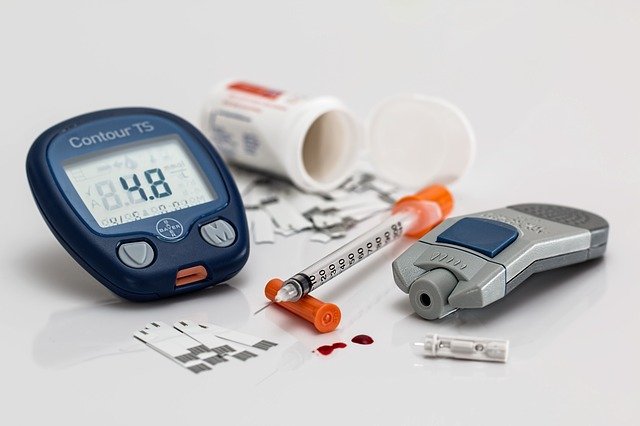
  • کافی سامان ضرور لیں اس میں انسولین ، گولیاں ، سوئیاں ، قلم اور سرنج شامل ہیں۔

  • آپ کے ڈاکٹر کا خط جو آپ کی دوائیوں کی ضرورت کو بیان کرتا ہے۔

  • بلڈ گلوکوز مانیٹر کرتا ہے

  • ہائپوگلیسیمیا کا علاج (جیسے گلوکوز کی گولیاں)

  • تیز ڈسپوزل باکس

یہ منصوبہ بندی کرنا بھی ضروری ہے کہ کھانا اور کھانا کیا دستیاب ہوگا۔ سفر کے دوران ، خون میں گلوکوز پر زیادہ نگاہ رکھنا اچھا خیال ہوگا (زیادہ کثرت سے چیک کریں)۔

Storing Insulin at the right temperature is important. If the weather at your destination is hot then keep the Insulin in a cool place. Avoid exposure of direct sunlight. If the weather at your destination is freezing cold then it is important to make sure that Insulin does not freeze. [2]

Always put and store Insulin in hand luggage. Keeping Insulin in the hold of the plane will freeze the Insulin causing it to lose its effectiveness. [3]

یہ یقینی بنانا ضروری ہے کہ اپنے آپ کو درست ویکسینیشن اور ٹریول انشورنس سے کور کریں۔

References and Further Reading

  1. Centers for Disease Control and Prevention. (2024, May 15). Tips for Traveling With Diabetes.
  2. National Health Service. (n.d.). Storing and travelling with long-acting insulin.
  3. Transportation Security Administration. (n.d.). Insulin.

سفر اور انسولین

Airport 2373727 - diabetes care and management

Planning Travel and Insulin management requires preparation, but it shouldn’t stop you from exploring the world.

There are lot of things to plan when taking a trip. Patients with diabetes taking Insulin should be able to enjoy their trip without any problem. However, this could only happen if things are planned well in advance. [1]

اگر آپ کو یقین نہیں ہے تو ، سفر سے پہلے ہی اپنے ڈاکٹر سے رابطہ کرنا ضروری ہے۔

یہ یقینی بنانا ضروری ہے کہ مندرجہ ذیل چیزوں کا احاطہ کیا گیا ہو:

  • کافی سامان ضرور لیں اس میں انسولین ، گولیاں ، سوئیاں ، قلم اور سرنج شامل ہیں۔

  • آپ کے ڈاکٹر کا خط جو آپ کی دوائیوں کی ضرورت کو بیان کرتا ہے۔

  • بلڈ گلوکوز مانیٹر کرتا ہے

  • ہائپوگلیسیمیا کا علاج (جیسے گلوکوز کی گولیاں)

  • تیز ڈسپوزل باکس

یہ منصوبہ بندی کرنا بھی ضروری ہے کہ کھانا اور کھانا کیا دستیاب ہوگا۔ سفر کے دوران ، خون میں گلوکوز پر زیادہ نگاہ رکھنا اچھا خیال ہوگا (زیادہ کثرت سے چیک کریں)۔

Storing Insulin at the right temperature is important. If the weather at your destination is hot then keep the Insulin in a cool place. Avoid exposure of direct sunlight. If the weather at your destination is freezing cold then it is important to make sure that Insulin does not freeze. [2]

Always put and store Insulin in hand luggage. Keeping Insulin in the hold of the plane will freeze the Insulin causing it to lose its effectiveness. [3]

یہ یقینی بنانا ضروری ہے کہ اپنے آپ کو درست ویکسینیشن اور ٹریول انشورنس سے کور کریں۔


References and Further Reading

  1. Centers for Disease Control and Prevention. (2024, May 15). Tips for Traveling With Diabetes.
  2. National Health Service. (n.d.). Storing and travelling with long-acting insulin.
  3. Transportation Security Administration. (n.d.). Insulin.

ذیابیطس ٹائپ 2 کے خطرے کے عوامل

Untitled design - diabetes care and management

See also: Type 2 Diabetes: Symptoms, Diagnosis, and Management — our complete pillar guide.

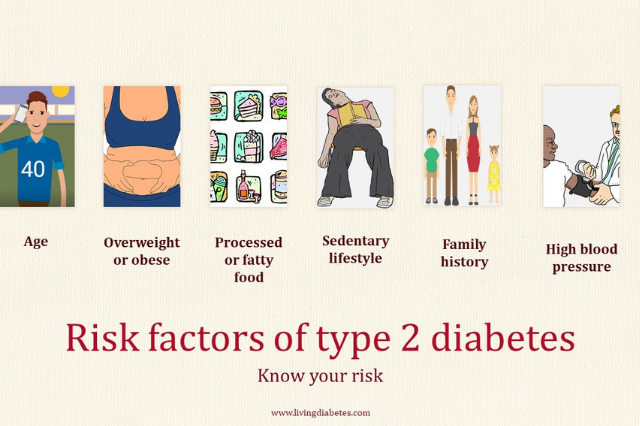
Type 2 diabetes is the most common type of diabetes. Type 2 diabetes constitute 90% of all cases of diabetes. Most people do not have any symptoms when they are diagnosed with type 2 diabetes. As people do not have any symptoms, it is estimated that most people may have type 2 diabetes for atleast 5 to 10 years prior to the diagnosis. Therefore it is very important to know the risk factors. This will help a person to understand the risk of developing type 2 diabetes and act to prevent it. [1]

ذیابیطس ٹائپ 2 کے خطرے کے عوامل کے بارے میں جانیں

عمر اور نسل

The older a person, higher the risk. The risk is 2 to 4 times more higher in South Asian, Black African and African-Caribbean than whites. For South Asian, Black African and African-Caribbean, risk is higher after 25 year of age. Whereas, for Whites, risk is higher after 40 year of age. [2]


خاندانی تاریخ

Risk of developing type 2 diabetes is 2 to 6 times more higher if parent or siblings have type 2 diabetes. [3]


وزن

زیادہ وزن یا موٹے لوگوں میں ٹائپ 2 ذیابیطس کا خطرہ بہت زیادہ ہے

Weight is an important risk factor for type 2 diabetes. If a person is overweight or obese risk is higher. [4]


طرز زندگی

بیچینی طرز زندگی اور ورزش کی کمی کا تعلق ٹائپ 2 ذیابیطس سے ہے۔


کھانا

عملدرآمد اور اعلی چربی کھانا.

پروسیس شدہ اور زیادہ چکنائی والے کھانے جیسے کھانے کی وجہ سے وزن میں اضافہ ہوتا ہے۔


فشار خون

ہائی بلڈ پریشر ٹائپ 2 ذیابیطس سے جڑا ہوا ہے۔

ہائی بلڈ پریشر ٹائپ 2 ذیابیطس سے وابستہ ہے۔ ہائی بلڈ پریشر والے افراد میں ٹائپ 2 ذیابیطس ہونے کا زیادہ امکان رہتا ہے۔


اپنے خطرے کو جاننا ضروری ہے۔ عمر ، نسل اور خاندانی تاریخ کو تبدیل نہیں کیا جاسکتا۔ تاہم ، ہم ہمیشہ اپنی غذا ، طرز زندگی اور وزن کو تبدیل کرنے کی کوشش کر سکتے ہیں۔ 


References and Further Reading

  1. National Institute of Diabetes and Digestive and Kidney Diseases. (n.d.). Risk Factors for Type 2 Diabetes.
  2. Centers for Disease Control and Prevention. (2024, May 15). Diabetes Risk Factors.
  3. American Diabetes Association. (n.d.). Genetics of Diabetes.
  4. Yashi, K., et al. (2023). Obesity and Type 2 Diabetes. In StatPearls. StatPearls Publishing.

ذیابیطس ٹائپ 2 کے خطرے کے عوامل

Untitled design - diabetes care and management

See also: Type 2 Diabetes: Symptoms, Diagnosis, and Management — our complete pillar guide.

Type 2 diabetes is the most common type of diabetes. Type 2 diabetes constitute 90% of all cases of diabetes. Most people do not have any symptoms when they are diagnosed with type 2 diabetes. As people do not have any symptoms, it is estimated that most people may have type 2 diabetes for atleast 5 to 10 years prior to the diagnosis. Therefore it is very important to know the risk factors. This will help a person to understand the risk of developing type 2 diabetes and act to prevent it. [1]

ذیابیطس ٹائپ 2 کے خطرے کے عوامل کے بارے میں جانیں

عمر اور نسل

The older a person, higher the risk. The risk is 2 to 4 times more higher in South Asian, Black African and African-Caribbean than whites. For South Asian, Black African and African-Caribbean, risk is higher after 25 year of age. Whereas, for Whites, risk is higher after 40 year of age. [2]


خاندانی تاریخ

Risk of developing type 2 diabetes is 2 to 6 times more higher if parent or siblings have type 2 diabetes. [3]


وزن

زیادہ وزن یا موٹے لوگوں میں ٹائپ 2 ذیابیطس کا خطرہ بہت زیادہ ہے

Weight is an important risk factor for type 2 diabetes. If a person is overweight or obese risk is higher. [4]


طرز زندگی

بیچینی طرز زندگی اور ورزش کی کمی کا تعلق ٹائپ 2 ذیابیطس سے ہے۔


کھانا

عملدرآمد اور اعلی چربی کھانا.

پروسیس شدہ اور زیادہ چکنائی والے کھانے جیسے کھانے کی وجہ سے وزن میں اضافہ ہوتا ہے۔


فشار خون

ہائی بلڈ پریشر ٹائپ 2 ذیابیطس سے جڑا ہوا ہے۔

ہائی بلڈ پریشر ٹائپ 2 ذیابیطس سے وابستہ ہے۔ ہائی بلڈ پریشر والے افراد میں ٹائپ 2 ذیابیطس ہونے کا زیادہ امکان رہتا ہے۔


اپنے خطرے کو جاننا ضروری ہے۔ عمر ، نسل اور خاندانی تاریخ کو تبدیل نہیں کیا جاسکتا۔ تاہم ، ہم ہمیشہ اپنی غذا ، طرز زندگی اور وزن کو تبدیل کرنے کی کوشش کر سکتے ہیں۔ 


References and Further Reading

  1. National Institute of Diabetes and Digestive and Kidney Diseases. (n.d.). Risk Factors for Type 2 Diabetes.
  2. Centers for Disease Control and Prevention. (2024, May 15). Diabetes Risk Factors.
  3. American Diabetes Association. (n.d.). Genetics of Diabetes.
  4. Yashi, K., et al. (2023). Obesity and Type 2 Diabetes. In StatPearls. StatPearls Publishing.

خون میں گلوکوز کی آزمائش کو آسان بنانے کے لئے اہم نکات

Diabetes 3426247 640 - diabetes care and management

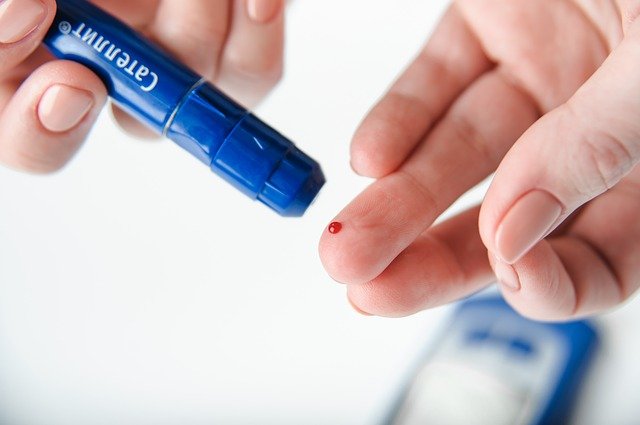
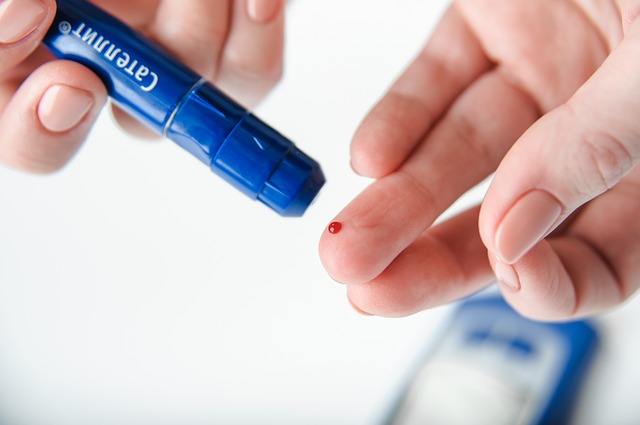
Blood glucose testing is an integral part of making sure that our diabetes is under control. Blood glucose or sugar levels helps to identify patterns. This will help identify what is causing the blood glucose or sugar to go high. Furthermore, blood glucose or sugar can help by demonstrating if diabetes medications are working or not. And if the dose of medication needs adjusting. [1]

Below are some of the tips which can help make blood glucose or sugar monitoring easier: [2]

  • پانی اور سوپ سے ہاتھ دھوئے۔
  • اس بات کو یقینی بنائیں کہ ہاتھ خشک ہوں۔
  • شراب مسح کے استعمال سے پرہیز کریں۔
  • ہر بار تازہ لینسیٹ استعمال کرنے کی کوشش کریں۔ لانسٹ کا جتنا زیادہ استعمال کیا جائے گا اس سے زیادہ تکلیف پہنچے گی۔
  • بلڈسیٹ کو کم سے کم گہرائی میں سیٹ کریں تاکہ خون میں گلوکوز میٹر کے ذریعہ ضرورت سے زیادہ خون حاصل کریں۔ گہرائی چھوٹی ، کم تکلیف دہ اور ٹشو کو کم نقصان۔
  • انگوٹھے اور شہادت کی انگلی کے استعمال سے پرہیز کریں۔ چونکہ وہ روزانہ کی تقریب کے لئے زیادہ استعمال ہوتے ہیں۔
  • Spread the sites – avoid using same fingers.
  • انگلیوں کے وسطی علاقے سے پرہیز کریں۔

انگلیوں کا پہلو استعمال کریں۔

چکنے کے بعد ، یا تو انگلی کو دودھ دیں یا انگلیوں کو لٹکا دیں تاکہ کشش ثقل کو خون میں گلوکوز کی جانچ کے ل enough کافی خون ملنے میں مدد ملے۔

بذریعہ تصویری بذریعہ تصویر stanias سے پکسبے


References and Further Reading

  1. Mayo Clinic. (2024, January 16). Blood sugar testing: Why, when and how.
  2. Healthline. (2024, April 29). 6 Tips to Successfully Using a Blood Glucose Monitor.

خون میں گلوکوز کی آزمائش کو آسان بنانے کے لئے اہم نکات

Diabetes 3426247 640 - diabetes care and management

Blood glucose testing is an integral part of making sure that our diabetes is under control. Blood glucose or sugar levels helps to identify patterns. This will help identify what is causing the blood glucose or sugar to go high. Furthermore, blood glucose or sugar can help by demonstrating if diabetes medications are working or not. And if the dose of medication needs adjusting. [1]

Below are some of the tips which can help make blood glucose or sugar monitoring easier: [2]

  • پانی اور سوپ سے ہاتھ دھوئے۔
  • اس بات کو یقینی بنائیں کہ ہاتھ خشک ہوں۔
  • شراب مسح کے استعمال سے پرہیز کریں۔
  • ہر بار تازہ لینسیٹ استعمال کرنے کی کوشش کریں۔ لانسٹ کا جتنا زیادہ استعمال کیا جائے گا اس سے زیادہ تکلیف پہنچے گی۔
  • بلڈسیٹ کو کم سے کم گہرائی میں سیٹ کریں تاکہ خون میں گلوکوز میٹر کے ذریعہ ضرورت سے زیادہ خون حاصل کریں۔ گہرائی چھوٹی ، کم تکلیف دہ اور ٹشو کو کم نقصان۔
  • انگوٹھے اور شہادت کی انگلی کے استعمال سے پرہیز کریں۔ چونکہ وہ روزانہ کی تقریب کے لئے زیادہ استعمال ہوتے ہیں۔
  • Spread the sites – avoid using same fingers.
  • انگلیوں کے وسطی علاقے سے پرہیز کریں۔

انگلیوں کا پہلو استعمال کریں۔

چکنے کے بعد ، یا تو انگلی کو دودھ دیں یا انگلیوں کو لٹکا دیں تاکہ کشش ثقل کو خون میں گلوکوز کی جانچ کے ل enough کافی خون ملنے میں مدد ملے۔

بذریعہ تصویری بذریعہ تصویر stanias سے پکسبے


References and Further Reading

  1. Mayo Clinic. (2024, January 16). Blood sugar testing: Why, when and how.
  2. Healthline. (2024, April 29). 6 Tips to Successfully Using a Blood Glucose Monitor.

خون میں گلوکوز کو اہداف کے اندر رکھنے کا مقصد

Diabetes 528678 - diabetes care and management

Keeping blood glucose levels within a target range is crucial for managing diabetes and preventing long-term complications. The ideal blood glucose range can vary from person to person, depending on factors such as age, overall health, and the presence of other medical conditions. It is important to work with a healthcare provider to establish personalized blood glucose targets. [1]

General Blood Glucose Targets

For most non-pregnant adults with diabetes, the American Diabetes Association (ADA) recommends the following blood glucose targets: [2]

  • Before meals (preprandial): 80 to 130 mg/dL
  • 1 to 2 hours after the beginning of a meal (postprandial): Less than 180 mg/dL

HbA1c Targets

The HbA1c test provides an average of your blood glucose levels over the past 2 to 3 months. For most adults with diabetes, the ADA recommends an HbA1c target of less than 7%. However, a less stringent target of less than 8% may be appropriate for some individuals, such as those with a history of severe hypoglycemia, limited life expectancy, or advanced diabetes complications. [3]

Managing Blood Glucose Levels

Achieving and maintaining blood glucose targets requires a combination of strategies, including:

  • Healthy Eating: Following a balanced meal plan that is rich in nutrients and low in processed foods, sugary drinks, and unhealthy fats.
  • Regular Physical Activity: Engaging in regular exercise helps lower blood glucose levels and improves insulin sensitivity.
  • Medication: Taking oral medications or insulin as prescribed by a healthcare provider.
  • Regular Monitoring: Checking blood glucose levels regularly to track progress and make necessary adjustments to the treatment plan.

References and Further Reading

  1. Centers for Disease Control and Prevention. (2024, May 15). Manage Blood Sugar.
  2. American Diabetes Association. (n.d.). Check Your Blood Glucose.
  3. American Diabetes Association. (2022). 6. Glycemic Targets: Standards of Medical Care in Diabetes—2022. Diabetes Care, 45(Supplement_1), S83-S96.

خون میں گلوکوز کو اہداف کے اندر رکھنے کا مقصد

Diabetes 528678 - diabetes care and management

Keeping blood glucose levels within a target range is crucial for managing diabetes and preventing long-term complications. The ideal blood glucose range can vary from person to person, depending on factors such as age, overall health, and the presence of other medical conditions. It is important to work with a healthcare provider to establish personalized blood glucose targets. [1]

General Blood Glucose Targets

For most non-pregnant adults with diabetes, the American Diabetes Association (ADA) recommends the following blood glucose targets: [2]

  • Before meals (preprandial): 80 to 130 mg/dL
  • 1 to 2 hours after the beginning of a meal (postprandial): Less than 180 mg/dL

HbA1c Targets

The HbA1c test provides an average of your blood glucose levels over the past 2 to 3 months. For most adults with diabetes, the ADA recommends an HbA1c target of less than 7%. However, a less stringent target of less than 8% may be appropriate for some individuals, such as those with a history of severe hypoglycemia, limited life expectancy, or advanced diabetes complications. [3]

Managing Blood Glucose Levels

Achieving and maintaining blood glucose targets requires a combination of strategies, including:

  • Healthy Eating: Following a balanced meal plan that is rich in nutrients and low in processed foods, sugary drinks, and unhealthy fats.
  • Regular Physical Activity: Engaging in regular exercise helps lower blood glucose levels and improves insulin sensitivity.
  • Medication: Taking oral medications or insulin as prescribed by a healthcare provider.
  • Regular Monitoring: Checking blood glucose levels regularly to track progress and make necessary adjustments to the treatment plan.

References and Further Reading

  1. Centers for Disease Control and Prevention. (2024, May 15). Manage Blood Sugar.
  2. American Diabetes Association. (n.d.). Check Your Blood Glucose.
  3. American Diabetes Association. (2022). 6. Glycemic Targets: Standards of Medical Care in Diabetes—2022. Diabetes Care, 45(Supplement_1), S83-S96.