"> "> Family history of diabetes Archives - Living Diabetes

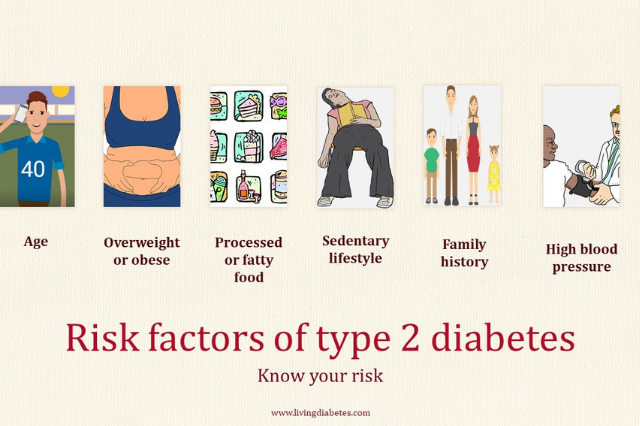
ذیابیطس ٹائپ 2 کے خطرے کے عوامل

Untitled design - diabetes care and management

See also: Type 2 Diabetes: Symptoms, Diagnosis, and Management — our complete pillar guide.

Type 2 diabetes is the most common type of diabetes. Type 2 diabetes constitute 90% of all cases of diabetes. Most people do not have any symptoms when they are diagnosed with type 2 diabetes. As people do not have any symptoms, it is estimated that most people may have type 2 diabetes for atleast 5 to 10 years prior to the diagnosis. Therefore it is very important to know the risk factors. This will help a person to understand the risk of developing type 2 diabetes and act to prevent it. [1]

ذیابیطس ٹائپ 2 کے خطرے کے عوامل کے بارے میں جانیں

عمر اور نسل

The older a person, higher the risk. The risk is 2 to 4 times more higher in South Asian, Black African and African-Caribbean than whites. For South Asian, Black African and African-Caribbean, risk is higher after 25 year of age. Whereas, for Whites, risk is higher after 40 year of age. [2]


خاندانی تاریخ

Risk of developing type 2 diabetes is 2 to 6 times more higher if parent or siblings have type 2 diabetes. [3]


وزن

زیادہ وزن یا موٹے لوگوں میں ٹائپ 2 ذیابیطس کا خطرہ بہت زیادہ ہے

Weight is an important risk factor for type 2 diabetes. If a person is overweight or obese risk is higher. [4]


طرز زندگی

بیچینی طرز زندگی اور ورزش کی کمی کا تعلق ٹائپ 2 ذیابیطس سے ہے۔


کھانا

عملدرآمد اور اعلی چربی کھانا.

پروسیس شدہ اور زیادہ چکنائی والے کھانے جیسے کھانے کی وجہ سے وزن میں اضافہ ہوتا ہے۔


فشار خون

ہائی بلڈ پریشر ٹائپ 2 ذیابیطس سے جڑا ہوا ہے۔

ہائی بلڈ پریشر ٹائپ 2 ذیابیطس سے وابستہ ہے۔ ہائی بلڈ پریشر والے افراد میں ٹائپ 2 ذیابیطس ہونے کا زیادہ امکان رہتا ہے۔


اپنے خطرے کو جاننا ضروری ہے۔ عمر ، نسل اور خاندانی تاریخ کو تبدیل نہیں کیا جاسکتا۔ تاہم ، ہم ہمیشہ اپنی غذا ، طرز زندگی اور وزن کو تبدیل کرنے کی کوشش کر سکتے ہیں۔ 


References and Further Reading

  1. National Institute of Diabetes and Digestive and Kidney Diseases. (n.d.). Risk Factors for Type 2 Diabetes.
  2. Centers for Disease Control and Prevention. (2024, May 15). Diabetes Risk Factors.
  3. American Diabetes Association. (n.d.). Genetics of Diabetes.
  4. Yashi, K., et al. (2023). Obesity and Type 2 Diabetes. In StatPearls. StatPearls Publishing.

ذیابیطس ٹائپ 2 کے خطرے کے عوامل

Untitled design - diabetes care and management

See also: Type 2 Diabetes: Symptoms, Diagnosis, and Management — our complete pillar guide.

Type 2 diabetes is the most common type of diabetes. Type 2 diabetes constitute 90% of all cases of diabetes. Most people do not have any symptoms when they are diagnosed with type 2 diabetes. As people do not have any symptoms, it is estimated that most people may have type 2 diabetes for atleast 5 to 10 years prior to the diagnosis. Therefore it is very important to know the risk factors. This will help a person to understand the risk of developing type 2 diabetes and act to prevent it. [1]

ذیابیطس ٹائپ 2 کے خطرے کے عوامل کے بارے میں جانیں

عمر اور نسل

The older a person, higher the risk. The risk is 2 to 4 times more higher in South Asian, Black African and African-Caribbean than whites. For South Asian, Black African and African-Caribbean, risk is higher after 25 year of age. Whereas, for Whites, risk is higher after 40 year of age. [2]


خاندانی تاریخ

Risk of developing type 2 diabetes is 2 to 6 times more higher if parent or siblings have type 2 diabetes. [3]


وزن

زیادہ وزن یا موٹے لوگوں میں ٹائپ 2 ذیابیطس کا خطرہ بہت زیادہ ہے

Weight is an important risk factor for type 2 diabetes. If a person is overweight or obese risk is higher. [4]


طرز زندگی

بیچینی طرز زندگی اور ورزش کی کمی کا تعلق ٹائپ 2 ذیابیطس سے ہے۔


کھانا

عملدرآمد اور اعلی چربی کھانا.

پروسیس شدہ اور زیادہ چکنائی والے کھانے جیسے کھانے کی وجہ سے وزن میں اضافہ ہوتا ہے۔


فشار خون

ہائی بلڈ پریشر ٹائپ 2 ذیابیطس سے جڑا ہوا ہے۔

ہائی بلڈ پریشر ٹائپ 2 ذیابیطس سے وابستہ ہے۔ ہائی بلڈ پریشر والے افراد میں ٹائپ 2 ذیابیطس ہونے کا زیادہ امکان رہتا ہے۔


اپنے خطرے کو جاننا ضروری ہے۔ عمر ، نسل اور خاندانی تاریخ کو تبدیل نہیں کیا جاسکتا۔ تاہم ، ہم ہمیشہ اپنی غذا ، طرز زندگی اور وزن کو تبدیل کرنے کی کوشش کر سکتے ہیں۔ 


References and Further Reading

  1. National Institute of Diabetes and Digestive and Kidney Diseases. (n.d.). Risk Factors for Type 2 Diabetes.
  2. Centers for Disease Control and Prevention. (2024, May 15). Diabetes Risk Factors.
  3. American Diabetes Association. (n.d.). Genetics of Diabetes.
  4. Yashi, K., et al. (2023). Obesity and Type 2 Diabetes. In StatPearls. StatPearls Publishing.