
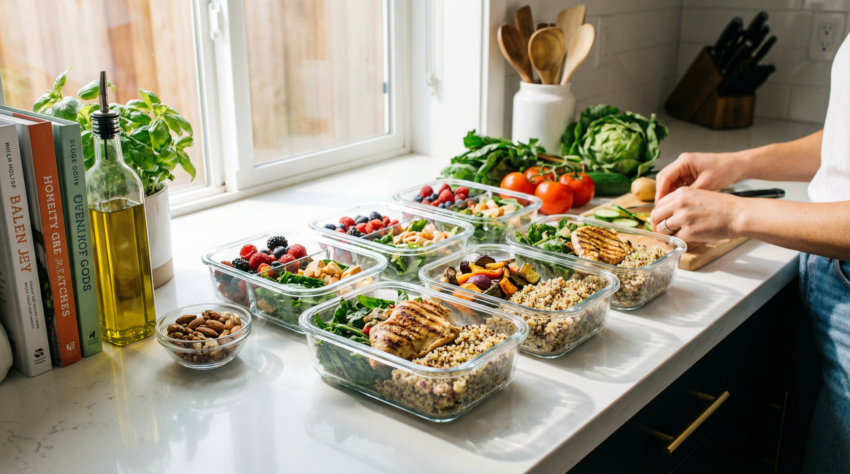
Key Takeaway: Successful meal planning for diabetes isn’t about strict deprivation; it’s about building balanced plates. The Diabetes Plate Method—filling half your plate with non-starchy vegetables, a quarter with lean protein, and a quarter with smart carbs—is a simple, powerful tool for managing blood sugar and achieving your health goals. [1]
When you have diabetes, the idea of meal planning can feel daunting. You might worry about counting every gram of carbohydrate or giving up all your favorite foods. The reality is much more flexible and empowering. Effective meal planning is one of the most crucial skills for managing blood sugar, losing weight, and feeling your best. This guide will break down the basics into simple, actionable steps.
Why Meal Planning Matters for Diabetes
Consistent, balanced meals help prevent the dramatic blood sugar spikes and crashes that can leave you feeling tired and unwell. By planning your meals, you gain control over your nutrition, making it easier to manage your weight, improve your HbA1c, and reduce your need for medications. It also saves you time, money, and the stress of figuring out what to eat at the last minute. [2]
The Easiest Tool: The Diabetes Plate Method
Forget complicated calculations for a moment. The simplest and most effective way to start is with the Diabetes Plate Method. It’s a visual guide to building a perfectly balanced meal without any special tools. [3]
How to Build Your Plate
½ Plate: Non-Starchy Vegetables
Fill half your plate with vegetables like leafy greens, broccoli, peppers, tomatoes, and cucumbers. They are low in carbs and high in fiber, vitamins, and minerals.
¼ Plate: Lean Protein
Fill a quarter of your plate with protein sources like chicken, fish, turkey, eggs, tofu, or legumes. Protein helps you feel full and has minimal impact on blood sugar.
¼ Plate: Smart Carbohydrates
Fill the final quarter with high-fiber carbohydrates like quinoa, brown rice, sweet potato, whole-grain bread, or fruit. These provide energy without a rapid blood sugar spike.
A Simple 4-Step Meal Planning Process
Here’s how to turn these principles into a weekly routine that works for you.
Step 1: Choose Your Planning Day
Consistency is key. Pick one day a week to dedicate 30-60 minutes to planning. For many, Sunday is the ideal day to plan for the week ahead. This is when you’ll decide on your meals, make a shopping list, and do any initial prep work.
Step 2: Plan Dinners First (and Cook Extra)
Dinner is often the most substantial meal, so start there. Choose 3-4 dinner recipes for the week. The secret to efficiency is to always cook double portions. Tonight’s dinner becomes tomorrow’s lunch, instantly solving half of your meal decisions for the week.
Example Week:
- Monday: Baked Salmon with Roasted Asparagus and Quinoa. (Make extra for Tuesday lunch).
- Wednesday: Chicken and Vegetable Stir-fry with a small portion of brown rice. (Make extra for Thursday lunch).
- Friday: Large Lentil and Vegetable Soup. (Make a big batch for weekend lunches).
Step 3: Simplify Breakfasts and Lunches
You don’t need a different meal every single day. Rotate between 2-3 simple, reliable options for breakfast. Lunches are often covered by dinner leftovers. For the remaining days, have a go-to option like a large salad with grilled chicken or a can of tuna.
Breakfast Ideas:
- Greek yogurt with berries and a sprinkle of nuts.
- Two scrambled eggs with spinach and a slice of whole-grain toast.
- Overnight oats made with unsweetened almond milk and chia seeds.
Step 4: Plan for Smart Snacks
Snacks are where unplanned eating can derail your efforts. Plan for one or two snacks per day to have on hand. A good snack combines protein and/or healthy fat with fiber to keep you full between meals.
Snack Ideas:
- A handful of almonds or walnuts.
- An apple with a tablespoon of peanut butter.
- Baby carrots with hummus.
- A hard-boiled egg.
- A small low-fat cheese stick.
Your Shopping List Strategy
Once you have your plan, create a shopping list organized by store section (produce, protein, pantry). This prevents impulse buys and ensures you get everything you need in one trip. Stick to your list!
Understanding Macronutrients for Diabetes
While the Plate Method is a great start, understanding the role of carbohydrates, protein, and fat will take your meal planning to the next level.
Carbohydrates (The Main Focus)
Carbs have the biggest impact on blood sugar. The goal is not to eliminate them, but to choose the right types and control portions. Prioritize “smart carbs” that are high in fiber, like whole grains, legumes, fruits, and starchy vegetables. A common target is 45-60 grams of carbs per meal, but this can vary. Your dietitian can help you find your personal target. [4]
Protein (The Satiety Factor)
Protein has very little effect on blood sugar and is crucial for feeling full and maintaining muscle mass, especially during weight loss. Include a source of lean protein at every meal.
Fat (The Flavor and Fullness Enhancer)
Healthy fats from sources like olive oil, avocados, nuts, and seeds are beneficial for heart health and help with satiety. Fat does not raise blood sugar, but it is calorie-dense, so portion control is important for weight management.
Frequently Asked Questions
Do I have to count carbs?
While some people find carb counting helpful, it’s not necessary for everyone. The Diabetes Plate Method is an excellent alternative that achieves similar results without the math. If your doctor or dietitian recommends carb counting for medication dosing, they will teach you how to do it.
What about eating out?
Apply the Plate Method when you’re at a restaurant. Look for grilled or baked protein options, ask for double vegetables instead of a starchy side, and request sauces or dressings on the side. Many restaurants have their nutrition information online, so you can plan ahead.
Can I still drink alcohol?
Alcohol can be consumed in moderation, but it’s important to know how it affects you. Never drink on an empty stomach, as this can cause low blood sugar. Choose dry wines, light beers, or spirits with a sugar-free mixer. Be aware that sugary cocktails can significantly raise blood sugar.
Find Your Next Favorite Meal
Ready to put these principles into practice? Browse our collection of delicious, easy-to-make recipes.
The Bottom Line
Meal planning is a skill that gets easier with practice. Start with the simple Plate Method and the 4-step process outlined in this guide. By focusing on balanced, whole foods, you can take powerful control over your diabetes, improve your energy levels, and enjoy the food you eat.
References and Further Reading
- Centers for Disease Control and Prevention. (2023, August 10). Diabetes Plate Method.
- National Institute of Diabetes and Digestive and Kidney Diseases. (n.d.). Diet, Eating, & Physical Activity.
- American Diabetes Association. (n.d.). The Diabetes Plate Method.
- Mayo Clinic. (2023, October 12). Diabetes diet: Create your healthy-eating plan.
 English
  Arabic
  Spanish
  Urdu
Urdu