
Understanding Graves Disease: A Guide

Untitled design - diabetes care and management


Graves Disease is an autoimmune disorder that affects the thyroid. It is the most common form of hyperthyroidism, a condition in which the thyroid produces too much of the hormone thyroxine, leading to an overactive thyroid. This can cause a wide range of physical and mental health issues. In this blog, we’ll go over what Graves Disease is, the symptoms, causes, and treatments. We’ll also discuss the prognosis and possible complications. [1]

What is the thyroid?

The thyroid is an organ located in the neck that produces hormones that regulate growth, metabolism, and energy. It’s part of the endocrine system, which includes other organs such as the pituitary gland and the hypothalamus. The hormones the thyroid produces help to control the body’s temperature, heart rate, muscle strength, and other functions. When the thyroid produces too much of the hormone thyroxine, it can cause an overactive thyroid, which is also known as hyperthyroidism. This can lead to a variety of health problems. [2]

What is Graves’ Disease?

Graves’ Disease is an autoimmune disorder that affects the thyroid. It’s the most common form of hyperthyroidism. In this disorder, the body’s immune system mistakenly attacks the thyroid, causing it to produce too much of the hormone thyroxine. This can lead to an overactive thyroid, which can cause a wide range of physical and mental health problems. [1]

Graves’ Disease is named after Sir Robert Graves, who first described the condition in the 19th century. It affects an estimated one percent of the population, and is more common in women than men. It is also more common in people of Northern European descent. [1]

Symptoms of Graves’ Disease

The symptoms of Graves’ Disease vary from person to person, but the most common ones are: [3]

  • Unexplained weight loss
  • Difficulty sleeping
  • Fatigue
  • Rapid heartbeat
  • بےچینی
  • Goiter (enlarged thyroid)
  • Heat intolerance
  • پسینہ آ رہا ہے
  • Nervousness
  • Irritability
  • Muscle weakness
  • بھوک میں اضافہ
  • Hair loss
  • Bulging eyes (Graves’ ophthalmopathy)

It’s important to note that not everyone with Graves’ Disease will experience all of these symptoms. Some people may only experience one or two of them.

Causes of Graves’ Disease

The exact cause of Graves’ Disease is unknown, but it is believed to be the result of a combination of genetic and environmental factors. It is thought that certain genetic mutations make a person more likely to develop Graves’ Disease and exposure to certain environmental factors, such as stress or certain medications, can trigger the condition. It is also possible Graves’ Disease to be caused by an underlying medical condition, such as an autoimmune disorder or a viral infection. In some cases, the condition can be triggered by injury or surgery. [4]

Certain factors may increase a person’s risk. These include: [4]

  • Family history – having a family member with Graves’ Disease increases your risk.
  • Age – Graves’ Disease is most common in people aged 30 to 50.
  • Sex – it is more common in women than men.
  • Stress – research suggests that stress can trigger the onset of Graves’ Disease in some people.
  • Smoking – smoking has been linked to an increased risk of Graves’ Disease.

Diagnosing Graves’ Disease

If you think you may have Graves’ Disease, it’s important to see your doctor as soon as possible. Your doctor will ask about your medical history and perform a physical exam. They may also order blood tests to check your thyroid hormone levels to confirm that your thyroid is overactive.Thyroid antibodies can also be measured and together with history, physical examination and thyroid hormone levels may be used to confirm that overactive thyroid is due to Graves’ disease. You may also need to get an ultrasound or imaging tests of your thyroid to look for any abnormalities. [1]

Treating Graves’ Disease

The treatment for Graves’ Disease depends on the severity of your symptoms and the underlying cause. Treatment options include: [1]

  • Anti-thyroid medications (such as Methimazole, Carbimazole or Propylthiouracil) – these medications help to reduce the production of thyroxine by the thyroid.

Sometimes beta-blocking tablets such as propranolol may be used to help control some of the symptoms while the anti-thyroid medication is used to bring thyroid overactivity under control.

  • Radioactive iodine – this treatment involves taking a pill that contains a small amount of radioactive iodine. This helps to reduce the activity of the thyroid.
  • Surgery – in rare cases, surgery may be recommended to remove a portion of the thyroid gland.

In some cases, lifestyle changes may also help. These include reducing stress, eating a healthy diet, exercising regularly, and avoiding smoking and alcohol.

Complications of Graves’ Disease

Graves’ Disease can cause a variety of complications, including: [1]

  • Heart problems – Graves’ Disease can cause an irregular heartbeat and other heart problems.
  • Osteoporosis – Graves’ Disease can cause bone loss, which increases the risk of fractures.
  • Eye problems – Graves’ Disease can cause thyroid eye disease, which can cause vision problems.
  • Thyroid storm – this is a rare and life-threatening condition caused by an overactive thyroid.

What is thyroid eye disease?

Thyroid eye disease is an autoimmune disorder of the eye muscle and fatty tissue that is caused by Graves’ Disease. It causes the muscles around the eyes to become swollen, leading to bulging eyes. It can also cause vision problems, such as double vision and reduced vision. Treatment for thyroid eye disease includes medications which can include steroid injections and/or surgery. [5]

Prognosis of Graves’ Disease

The prognosis for Graves’ Disease is usually good, as long as it is diagnosed and treated early. With proper treatment and lifestyle changes, most people are able to control their symptoms and lead normal life. However, there is no cure for Graves’ Disease, and symptoms can return after treatment is discontinued. It can also cause permanent complications, such as vision problems and bone loss. [1]

نتیجہ اخذ کرنا

Graves’ Disease is an autoimmune disorder that affects the thyroid. It’s the most common form of hyperthyroidism. It’s important to see your doctor if you think you may have Graves’ Disease, as it can lead to serious complications if left untreated. With proper treatment and lifestyle changes, most people are able to manage their symptoms.


References and Further Reading

  1. National Institute of Diabetes and Digestive and Kidney Diseases. (n.d.). Graves’ Disease.
  2. American Thyroid Association. (n.d.). Graves’ Disease.
  3. Mayo Clinic. (2024, June 14). Graves’ disease.
  4. Cleveland Clinic. (n.d.). Graves’ Disease.
  5. National Institute of Diabetes and Digestive and Kidney Diseases. (n.d.). Graves’ Eye Disease.
Understanding Graves Disease: A Guide

Untitled design - diabetes care and management


Graves Disease is an autoimmune disorder that affects the thyroid. It is the most common form of hyperthyroidism, a condition in which the thyroid produces too much of the hormone thyroxine, leading to an overactive thyroid. This can cause a wide range of physical and mental health issues. In this blog, we’ll go over what Graves Disease is, the symptoms, causes, and treatments. We’ll also discuss the prognosis and possible complications. [1]

What is the thyroid?

The thyroid is an organ located in the neck that produces hormones that regulate growth, metabolism, and energy. It’s part of the endocrine system, which includes other organs such as the pituitary gland and the hypothalamus. The hormones the thyroid produces help to control the body’s temperature, heart rate, muscle strength, and other functions. When the thyroid produces too much of the hormone thyroxine, it can cause an overactive thyroid, which is also known as hyperthyroidism. This can lead to a variety of health problems. [2]

What is Graves’ Disease?

Graves’ Disease is an autoimmune disorder that affects the thyroid. It’s the most common form of hyperthyroidism. In this disorder, the body’s immune system mistakenly attacks the thyroid, causing it to produce too much of the hormone thyroxine. This can lead to an overactive thyroid, which can cause a wide range of physical and mental health problems. [1]

Graves’ Disease is named after Sir Robert Graves, who first described the condition in the 19th century. It affects an estimated one percent of the population, and is more common in women than men. It is also more common in people of Northern European descent. [1]

Symptoms of Graves’ Disease

The symptoms of Graves’ Disease vary from person to person, but the most common ones are: [3]

  • Unexplained weight loss
  • Difficulty sleeping
  • Fatigue
  • Rapid heartbeat
  • بےچینی
  • Goiter (enlarged thyroid)
  • Heat intolerance
  • پسینہ آ رہا ہے
  • Nervousness
  • Irritability
  • Muscle weakness
  • بھوک میں اضافہ
  • Hair loss
  • Bulging eyes (Graves’ ophthalmopathy)

It’s important to note that not everyone with Graves’ Disease will experience all of these symptoms. Some people may only experience one or two of them.

Causes of Graves’ Disease

The exact cause of Graves’ Disease is unknown, but it is believed to be the result of a combination of genetic and environmental factors. It is thought that certain genetic mutations make a person more likely to develop Graves’ Disease and exposure to certain environmental factors, such as stress or certain medications, can trigger the condition. It is also possible Graves’ Disease to be caused by an underlying medical condition, such as an autoimmune disorder or a viral infection. In some cases, the condition can be triggered by injury or surgery. [4]

Certain factors may increase a person’s risk. These include: [4]

  • Family history – having a family member with Graves’ Disease increases your risk.
  • Age – Graves’ Disease is most common in people aged 30 to 50.
  • Sex – it is more common in women than men.
  • Stress – research suggests that stress can trigger the onset of Graves’ Disease in some people.
  • Smoking – smoking has been linked to an increased risk of Graves’ Disease.

Diagnosing Graves’ Disease

If you think you may have Graves’ Disease, it’s important to see your doctor as soon as possible. Your doctor will ask about your medical history and perform a physical exam. They may also order blood tests to check your thyroid hormone levels to confirm that your thyroid is overactive.Thyroid antibodies can also be measured and together with history, physical examination and thyroid hormone levels may be used to confirm that overactive thyroid is due to Graves’ disease. You may also need to get an ultrasound or imaging tests of your thyroid to look for any abnormalities. [1]

Treating Graves’ Disease

The treatment for Graves’ Disease depends on the severity of your symptoms and the underlying cause. Treatment options include: [1]

  • Anti-thyroid medications (such as Methimazole, Carbimazole or Propylthiouracil) – these medications help to reduce the production of thyroxine by the thyroid.

Sometimes beta-blocking tablets such as propranolol may be used to help control some of the symptoms while the anti-thyroid medication is used to bring thyroid overactivity under control.

  • Radioactive iodine – this treatment involves taking a pill that contains a small amount of radioactive iodine. This helps to reduce the activity of the thyroid.
  • Surgery – in rare cases, surgery may be recommended to remove a portion of the thyroid gland.

In some cases, lifestyle changes may also help. These include reducing stress, eating a healthy diet, exercising regularly, and avoiding smoking and alcohol.

Complications of Graves’ Disease

Graves’ Disease can cause a variety of complications, including: [1]

  • Heart problems – Graves’ Disease can cause an irregular heartbeat and other heart problems.
  • Osteoporosis – Graves’ Disease can cause bone loss, which increases the risk of fractures.
  • Eye problems – Graves’ Disease can cause thyroid eye disease, which can cause vision problems.
  • Thyroid storm – this is a rare and life-threatening condition caused by an overactive thyroid.

What is thyroid eye disease?

Thyroid eye disease is an autoimmune disorder of the eye muscle and fatty tissue that is caused by Graves’ Disease. It causes the muscles around the eyes to become swollen, leading to bulging eyes. It can also cause vision problems, such as double vision and reduced vision. Treatment for thyroid eye disease includes medications which can include steroid injections and/or surgery. [5]

Prognosis of Graves’ Disease

The prognosis for Graves’ Disease is usually good, as long as it is diagnosed and treated early. With proper treatment and lifestyle changes, most people are able to control their symptoms and lead normal life. However, there is no cure for Graves’ Disease, and symptoms can return after treatment is discontinued. It can also cause permanent complications, such as vision problems and bone loss. [1]

نتیجہ اخذ کرنا

Graves’ Disease is an autoimmune disorder that affects the thyroid. It’s the most common form of hyperthyroidism. It’s important to see your doctor if you think you may have Graves’ Disease, as it can lead to serious complications if left untreated. With proper treatment and lifestyle changes, most people are able to manage their symptoms.


References and Further Reading

  1. National Institute of Diabetes and Digestive and Kidney Diseases. (n.d.). Graves’ Disease.
  2. American Thyroid Association. (n.d.). Graves’ Disease.
  3. Mayo Clinic. (2024, June 14). Graves’ disease.
  4. Cleveland Clinic. (n.d.). Graves’ Disease.
  5. National Institute of Diabetes and Digestive and Kidney Diseases. (n.d.). Graves’ Eye Disease.
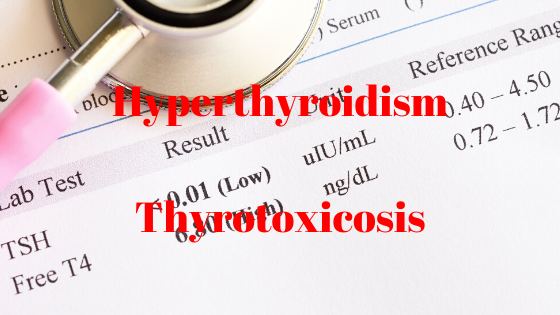
ہائپر تھرایڈائزم

ہائپر تھرایڈائزم

تائرواڈ گلٹی کیا ہے؟

تائرواڈ گلینڈ تتلی کی شکل والی گلٹی ہے جو آپ کی گردن کے وسط میں واقع ہے۔ تائرایڈ گلٹی دو بڑے ہارمون تیار کرتی ہے: تائروکسین (ٹی 4) اور ٹرائیوڈوتھیرون (ٹی 3)۔ ٹی 4 زیادہ مقدار میں پیدا ہوتا ہے۔ دونوں ہارمون جسم کے تحول کو منظم کرنے اور توازن میں لانے کے لئے لازمی کردار ادا کرتے ہیں۔

ہائپر تھرایڈائزم / تائروٹوکسیکوسس / اوورٹک تھرایڈ کیا ہے؟

ہائپرٹائیرائڈیزم یا تائروٹوکسیکوسس ، آسان الفاظ میں ، اووریکٹیو تائرواڈ بھی کہا جاتا ہے۔ اس وقت ہوتا ہے جب تائرایڈ گلٹی بہت زیادہ تائیرائڈ ہارمون بناتی ہے۔ خون میں تائرایڈ ہارمون کی بڑھتی ہوئی مقدار جسم کے تحول کو بڑھاتی ہے ، جس کی وجہ سے مختلف علامات ہوتے ہیں۔

اس کی علامات کیا ہیں؟ ہائپرٹیرائڈیزم / تائروٹوکسیکوسس / اوورٹک تھرایڈ?

زیادہ سے زیادہ تائرواڈ والا شخص درج ذیل علامات کی شکایت کرسکتا ہے:

  1. تھکاوٹ
  2. بےچینی
  3. نیند میں دشواری
  4. لرز اٹھنا یا بڑھنے کے جھٹکے
  5. فرحت
  6. پسینہ آ رہا ہے
  7. گرمی محسوس کرنا یا گرم موسم کو برداشت نہیں کرنا
  8. ڈھیلا اسٹول یا تحریک کی بڑھتی ہوئی تعدد
  9. وزن کم ہونا
  10. بھوک میں اضافہ
  11. خواتین میں ، مدت بے ضابطگیاں
  12. مرد میں ، عضو تناسل یا چھاتی کی توسیع

علامات کسی بھی مجموعہ میں موجود ہوسکتی ہیں۔ یعنی ، زیادہ علامات کسی ایسے شخص میں موجود نہیں ہوسکتے ہیں جو زیادہ سے زیادہ تائرواڈ کے مریض ہیں۔ کچھ لوگ کسی علامت کا شکار بھی نہیں ہو سکتے ہیں۔

اگر زیادہ سے زیادہ تائرایڈ کا علاج نہیں کیا جاتا ہے ، تو ایک شخص دل کی تال سے دوچار ہوسکتا ہے جسے ایٹریل فائبریلیشن کہا جاتا ہے۔ اے ایف فالج کا خطرہ بڑھاتا ہے۔ سنگین صورتوں میں ، ایک شخص دل کی ناکامی کا شکار ہوسکتا ہے. غیر علاج شدہ اووریکٹرک تائرواڈ ہڈی کو بھی کمزور کرسکتا ہے جو آسٹیوپوروسس کا باعث بنتا ہے۔

اس کی وجوہات کیا ہیں؟ ہائپرٹیرائڈیزم / تائروٹوکسیکوسس / اوورٹک تھرایڈ

زیادہ سے زیادہ تائرایڈ کی سب سے عام وجہ قبروں کی بیماری کہا جاتا ہے۔ اس حالت میں ، جسم تائرواڈ گلٹی کے خلاف اینٹی باڈیز تیار کرتا ہے۔ یہ اینٹی باڈیز تائیرائڈ گلٹی کو زیادہ سے زیادہ تائیرائڈ ہارمون تیار کرنے کی تحریک دیتی ہیں۔

زیادہ سے زیادہ تائیرائڈ کی ایک اور عام وجہ تائیرائڈ کے اندر سوجن یا نوڈول ہیں۔ یہ نوڈولس تائرواڈ ہارمون کو زیادہ پیدا کرسکتے ہیں۔ یہ نوڈولس کینسر نہیں ہیں اور سومی ہیں۔ یہ مسئلہ یا تو ایک سے زیادہ نوڈولس (زہریلے کثیر نودولر گوئٹر) یا ایک واحد نوڈول (زہریلا نوڈول) کی وجہ سے ہوسکتا ہے۔ زہریلا کا مطلب اوورٹک ہے۔

How is hyperthyroidism diagnosed? 

خون کے ٹیسٹ عام طور پر زیادہ سے زیادہ تائرواڈ کی تشخیص کرتے ہیں۔ آپ کا ڈاکٹر تائرواڈ فنکشن ٹیسٹ کروائے گا۔ زیادہ غذائیت پسند تائرایڈ میں ، T4 اور / یا T3 کی سطح زیادہ ہوگی۔ تاہم ، تائیرائڈ محرک ہارمون (TSH) کم ہوں گے۔

آپ کا ڈاکٹر اینٹی باڈی ٹیسٹ کرنے پر بھی غور کرے گا۔ عام اینٹی باڈیز جس کی پیمائش کی جاتی ہے وہ ٹی پی او اینٹی باڈی اور ٹی ایس ایچ رسیپٹر اینٹی باڈی ہیں۔ آپ کا ڈاکٹر اضافی اسکائڈ جیسے الٹراساؤنڈ یا نیوکلیئر میڈیسن اسکین کرسکتا ہے تاکہ زیادہ سے زیادہ تائیرائڈ کی وجہ معلوم کی جاسکے۔


ہائپر تھرایڈائزم

ہائپر تھرایڈائزم

تائرواڈ گلٹی کیا ہے؟

تائرواڈ گلینڈ تتلی کی شکل والی گلٹی ہے جو آپ کی گردن کے وسط میں واقع ہے۔ تائرایڈ گلٹی دو بڑے ہارمون تیار کرتی ہے: تائروکسین (ٹی 4) اور ٹرائیوڈوتھیرون (ٹی 3)۔ ٹی 4 زیادہ مقدار میں پیدا ہوتا ہے۔ دونوں ہارمون جسم کے تحول کو منظم کرنے اور توازن میں لانے کے لئے لازمی کردار ادا کرتے ہیں۔

ہائپر تھرایڈائزم / تائروٹوکسیکوسس / اوورٹک تھرایڈ کیا ہے؟

ہائپرٹائیرائڈیزم یا تائروٹوکسیکوسس ، آسان الفاظ میں ، اووریکٹیو تائرواڈ بھی کہا جاتا ہے۔ اس وقت ہوتا ہے جب تائرایڈ گلٹی بہت زیادہ تائیرائڈ ہارمون بناتی ہے۔ خون میں تائرایڈ ہارمون کی بڑھتی ہوئی مقدار جسم کے تحول کو بڑھاتی ہے ، جس کی وجہ سے مختلف علامات ہوتے ہیں۔

اس کی علامات کیا ہیں؟ ہائپرٹیرائڈیزم / تائروٹوکسیکوسس / اوورٹک تھرایڈ?

زیادہ سے زیادہ تائرواڈ والا شخص درج ذیل علامات کی شکایت کرسکتا ہے:

  1. تھکاوٹ
  2. بےچینی
  3. نیند میں دشواری
  4. لرز اٹھنا یا بڑھنے کے جھٹکے
  5. فرحت
  6. پسینہ آ رہا ہے
  7. گرمی محسوس کرنا یا گرم موسم کو برداشت نہیں کرنا
  8. ڈھیلا اسٹول یا تحریک کی بڑھتی ہوئی تعدد
  9. وزن کم ہونا
  10. بھوک میں اضافہ
  11. خواتین میں ، مدت بے ضابطگیاں
  12. مرد میں ، عضو تناسل یا چھاتی کی توسیع

علامات کسی بھی مجموعہ میں موجود ہوسکتی ہیں۔ یعنی ، زیادہ علامات کسی ایسے شخص میں موجود نہیں ہوسکتے ہیں جو زیادہ سے زیادہ تائرواڈ کے مریض ہیں۔ کچھ لوگ کسی علامت کا شکار بھی نہیں ہو سکتے ہیں۔

اگر زیادہ سے زیادہ تائرایڈ کا علاج نہیں کیا جاتا ہے ، تو ایک شخص دل کی تال سے دوچار ہوسکتا ہے جسے ایٹریل فائبریلیشن کہا جاتا ہے۔ اے ایف فالج کا خطرہ بڑھاتا ہے۔ سنگین صورتوں میں ، ایک شخص دل کی ناکامی کا شکار ہوسکتا ہے. غیر علاج شدہ اووریکٹرک تائرواڈ ہڈی کو بھی کمزور کرسکتا ہے جو آسٹیوپوروسس کا باعث بنتا ہے۔

اس کی وجوہات کیا ہیں؟ ہائپرٹیرائڈیزم / تائروٹوکسیکوسس / اوورٹک تھرایڈ

زیادہ سے زیادہ تائرایڈ کی سب سے عام وجہ قبروں کی بیماری کہا جاتا ہے۔ اس حالت میں ، جسم تائرواڈ گلٹی کے خلاف اینٹی باڈیز تیار کرتا ہے۔ یہ اینٹی باڈیز تائیرائڈ گلٹی کو زیادہ سے زیادہ تائیرائڈ ہارمون تیار کرنے کی تحریک دیتی ہیں۔

زیادہ سے زیادہ تائیرائڈ کی ایک اور عام وجہ تائیرائڈ کے اندر سوجن یا نوڈول ہیں۔ یہ نوڈولس تائرواڈ ہارمون کو زیادہ پیدا کرسکتے ہیں۔ یہ نوڈولس کینسر نہیں ہیں اور سومی ہیں۔ یہ مسئلہ یا تو ایک سے زیادہ نوڈولس (زہریلے کثیر نودولر گوئٹر) یا ایک واحد نوڈول (زہریلا نوڈول) کی وجہ سے ہوسکتا ہے۔ زہریلا کا مطلب اوورٹک ہے۔

How is hyperthyroidism diagnosed? 

خون کے ٹیسٹ عام طور پر زیادہ سے زیادہ تائرواڈ کی تشخیص کرتے ہیں۔ آپ کا ڈاکٹر تائرواڈ فنکشن ٹیسٹ کروائے گا۔ زیادہ غذائیت پسند تائرایڈ میں ، T4 اور / یا T3 کی سطح زیادہ ہوگی۔ تاہم ، تائیرائڈ محرک ہارمون (TSH) کم ہوں گے۔

آپ کا ڈاکٹر اینٹی باڈی ٹیسٹ کرنے پر بھی غور کرے گا۔ عام اینٹی باڈیز جس کی پیمائش کی جاتی ہے وہ ٹی پی او اینٹی باڈی اور ٹی ایس ایچ رسیپٹر اینٹی باڈی ہیں۔ آپ کا ڈاکٹر اضافی اسکائڈ جیسے الٹراساؤنڈ یا نیوکلیئر میڈیسن اسکین کرسکتا ہے تاکہ زیادہ سے زیادہ تائیرائڈ کی وجہ معلوم کی جاسکے۔


Carbimazole: Understanding its Uses and Benefits

کاربیمازول

کاربیمازول کس طرح کام کرتا ہے؟

Carbimazole is converted to an active agent called methimazole in the body. Methimazole acts on thyroid gland and reduces its overactivity. [1]


کاربیمازول کیسے لیا جاتا ہے؟

The treatment dose is usually prescribed by your doctor, depending on the thyroid blood test. It is started at high doses ranging between 20 to 60 mg per day.  Carbimazole is to be taken once a day. It is preferable to take the tablet at the same time every day. The dose is kept at these high levels until thyroid activity returns to normal. Then the dose is progressively reduced till it is stopped. Usually, total duration of treatment is approximately 18 months. [2]


ضمنی اثرات کیا ہیں؟

In general, Carbimazole is safe, but some patients can develop side effects. These include; [3]

  1. سر درد ، متلی ، جوڑوں کا درد ، اور پیٹ میں پریشانی۔
  2. جلد کی رگڑ. یہ 50 میں 1 میں ہوسکتا ہے۔ اگر ایسا ہوتا ہے تو اپنے ڈاکٹر سے رابطہ کریں۔
  3. غیر معمولی معاملات میں ، کاربیمازول بون میرو کی سرگرمی کو کم کرسکتا ہے۔ اس سے جسمانی حفاظتی خلیوں کی پیداوار کو کم کیا جاسکتا ہے۔ اس سے انفیکشن ہوسکتا ہے۔ عام طور پر ، یہ گلے کی سوزش ، منہ کے السر اور بخار پیش کرتا ہے۔ اگر ان میں سے کوئی علامت پیدا ہوتی ہے تو ، فوری طور پر اپنے ڈاکٹر سے رابطہ کریں اور دوائیں بند کردیں۔ ڈاکٹر آپ کے خون کی گنتی کرے گا۔ بون میرو کی سرگرمی 1 سے 2 ہفتوں میں ٹھیک ہوجائے گی۔


کیا حمل یا دودھ پلانے میں Carbimazole استعمال کیا جاسکتا ہے؟

Yes, Carbimazole can be used in pregnancy and breastfeeding. However, it is advised to discuss with your doctor if you are planning a pregnancy or as soon as you know that you are pregnant. In the first trimester, it is preferred to change Carbimazole to another anti-thyroid tablet called Propylthiouracil. Carbimazole can cross the placenta and, in very rare cases, can affect the skin or nails or finger of the baby in the first trimester. Carbimazole is usually continued in the second and thirst trimester as it is safe for both mother and baby. In general, the lowest possible dose of Carbimazole is taken. It is preferable to keep the dose of Carbimazole below 20 mg. However, the doctor will decide with you the best possible dose, given the risk and benefits. [4]


References and Further Reading

  1. DrugBank. (2005, June 13). Carbimazole.
  2. National Health Service. (n.d.). Carbimazole.
  3. National Health Service. (n.d.). Side effects of carbimazole.
  4. National Center for Biotechnology Information. (2024, August 15). Carbimazole.

Carbimazole: Understanding its Uses and Benefits

کاربیمازول

کاربیمازول کس طرح کام کرتا ہے؟

Carbimazole is converted to an active agent called methimazole in the body. Methimazole acts on thyroid gland and reduces its overactivity. [1]


کاربیمازول کیسے لیا جاتا ہے؟

The treatment dose is usually prescribed by your doctor, depending on the thyroid blood test. It is started at high doses ranging between 20 to 60 mg per day.  Carbimazole is to be taken once a day. It is preferable to take the tablet at the same time every day. The dose is kept at these high levels until thyroid activity returns to normal. Then the dose is progressively reduced till it is stopped. Usually, total duration of treatment is approximately 18 months. [2]


ضمنی اثرات کیا ہیں؟

In general, Carbimazole is safe, but some patients can develop side effects. These include; [3]

  1. سر درد ، متلی ، جوڑوں کا درد ، اور پیٹ میں پریشانی۔
  2. جلد کی رگڑ. یہ 50 میں 1 میں ہوسکتا ہے۔ اگر ایسا ہوتا ہے تو اپنے ڈاکٹر سے رابطہ کریں۔
  3. غیر معمولی معاملات میں ، کاربیمازول بون میرو کی سرگرمی کو کم کرسکتا ہے۔ اس سے جسمانی حفاظتی خلیوں کی پیداوار کو کم کیا جاسکتا ہے۔ اس سے انفیکشن ہوسکتا ہے۔ عام طور پر ، یہ گلے کی سوزش ، منہ کے السر اور بخار پیش کرتا ہے۔ اگر ان میں سے کوئی علامت پیدا ہوتی ہے تو ، فوری طور پر اپنے ڈاکٹر سے رابطہ کریں اور دوائیں بند کردیں۔ ڈاکٹر آپ کے خون کی گنتی کرے گا۔ بون میرو کی سرگرمی 1 سے 2 ہفتوں میں ٹھیک ہوجائے گی۔


کیا حمل یا دودھ پلانے میں Carbimazole استعمال کیا جاسکتا ہے؟

Yes, Carbimazole can be used in pregnancy and breastfeeding. However, it is advised to discuss with your doctor if you are planning a pregnancy or as soon as you know that you are pregnant. In the first trimester, it is preferred to change Carbimazole to another anti-thyroid tablet called Propylthiouracil. Carbimazole can cross the placenta and, in very rare cases, can affect the skin or nails or finger of the baby in the first trimester. Carbimazole is usually continued in the second and thirst trimester as it is safe for both mother and baby. In general, the lowest possible dose of Carbimazole is taken. It is preferable to keep the dose of Carbimazole below 20 mg. However, the doctor will decide with you the best possible dose, given the risk and benefits. [4]


References and Further Reading

  1. DrugBank. (2005, June 13). Carbimazole.
  2. National Health Service. (n.d.). Carbimazole.
  3. National Health Service. (n.d.). Side effects of carbimazole.
  4. National Center for Biotechnology Information. (2024, August 15). Carbimazole.