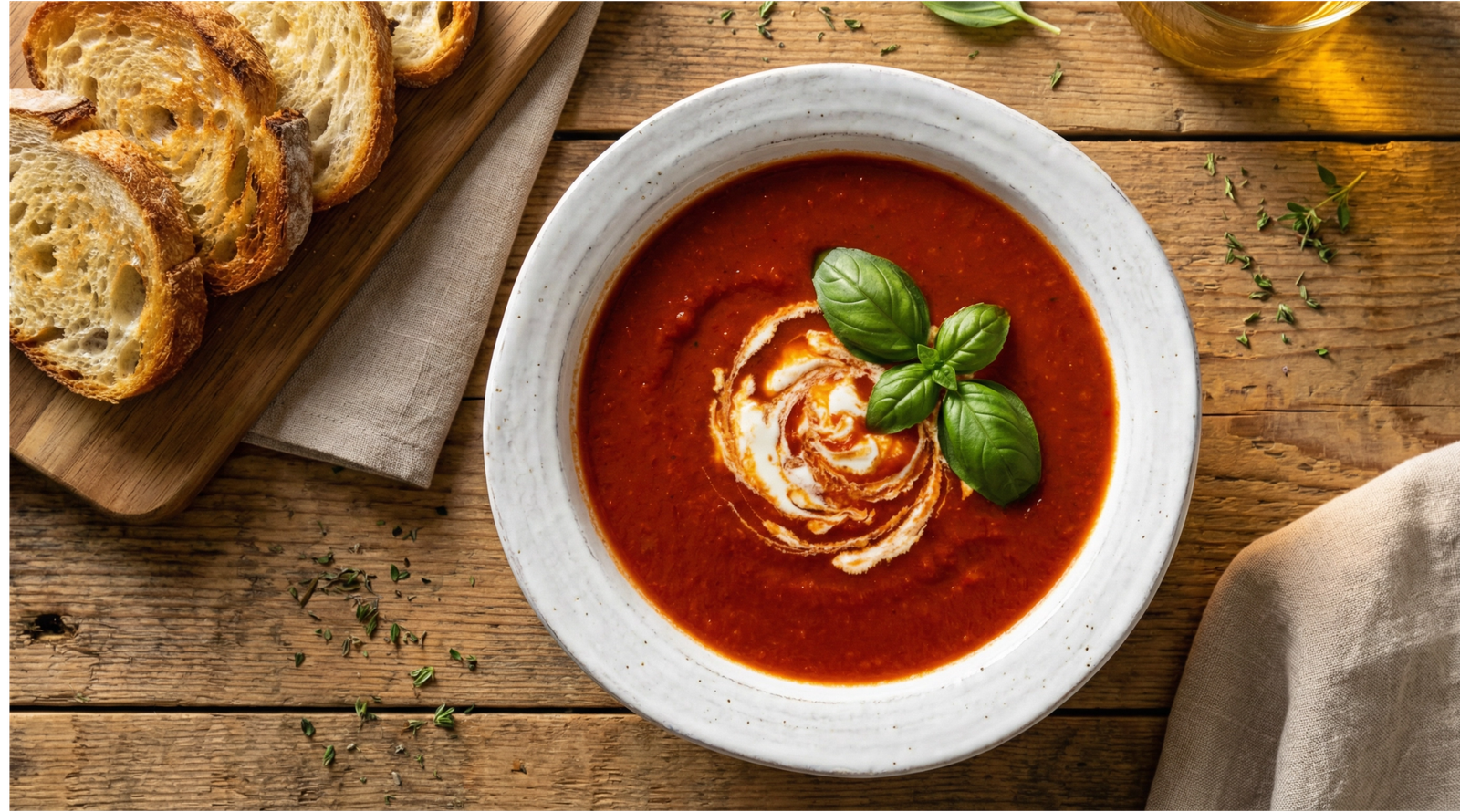

Warm Soups for Cold Days: 8 Low-Carb Recipes for Diabetes

See also: Diabetes Diet: Mediterranean, Low-Carb, Keto and Plant-Based — our complete pillar guide.

When temperatures drop, there’s nothing quite as comforting as a steaming bowl of soup. For people living with diabetes, finding satisfying recipes that don’t spike blood sugar can be challenging. This collection of eight low-carb soup recipes delivers warmth, flavor, and nutrition while keeping carbohydrates in check—perfect for maintaining steady glucose levels on those cold winter days.

Why Low-Carb Soups Matter for Diabetes Management

Living with diabetes doesn’t mean giving up comfort foods. In fact, with thoughtful ingredient choices, soups can become a cornerstone of a diabetes-friendly diet. Traditional soups often contain high-carb ingredients like potatoes, pasta, rice, or flour-based thickeners that can cause unwanted blood sugar spikes. Low-carb alternatives focus on non-starchy vegetables, lean proteins, and healthy fats that provide satisfaction without the glucose roller coaster.

The beauty of homemade soup is that you control exactly what goes into your pot. By preparing these recipes at home, you can monitor carbohydrate content while maximizing flavor and nutrition. Most of these soups can be prepared in large batches, providing convenient, ready-to-heat meals throughout the week.

ℹ️ Did You Know?

Soup can help with portion control and weight management—both important aspects of diabetes care. Research suggests that starting a meal with broth-based soup can reduce overall calorie intake during that meal by up to 20%, as the combination of liquid and solid food components increases feelings of fullness.

8 Diabetes-Friendly Soup Recipes for Cold Weather

1. Roasted Cauliflower and Cheddar Soup

This creamy soup mimics potato soup’s comfort factor but with a fraction of the carbs. Roasting the cauliflower before blending intensifies its naturally nutty flavor while adding depth to the final dish.

The base includes cauliflower, onion, garlic, chicken broth, and a moderate amount of sharp cheddar cheese. A touch of heavy cream adds richness without significantly increasing the carb count. At approximately 7g of net carbs per serving, this soup delivers creamy satisfaction without the blood sugar impact of traditional potato soup.

2. Mediterranean Chicken and Vegetable Soup

This broth-based soup combines lean protein with a rainbow of low-carb vegetables. Chicken provides satisfying protein while zucchini, bell peppers, spinach, and tomatoes contribute vitamins, minerals, and fiber.

Seasoned with Mediterranean herbs like oregano, basil, and a hint of lemon, this soup offers bold flavors without added carbs. Each serving contains approximately 8g of net carbs, making it an excellent option for a complete meal that won’t disrupt blood glucose levels.

3. Spicy Beef and Cabbage Soup

This hearty soup features ground beef, cabbage, bell peppers, and tomatoes in a flavorful broth spiced with cumin, chili powder, and a touch of cayenne. Cabbage serves as an excellent low-carb base that absorbs flavors beautifully while adding satisfying volume.

With approximately 6g of net carbs per serving, this soup provides a filling meal rich in protein and vegetables. The moderate spice level can be adjusted to personal preference, and the soup’s flavors improve with time, making it perfect for leftovers.

4. Creamy Mushroom and Thyme Soup

This elegant soup showcases the earthy flavor of mixed mushrooms enhanced by fresh thyme and a touch of garlic. Using a combination of mushroom varieties like cremini, shiitake, and oyster mushrooms creates complex flavor and interesting texture.

Blended with vegetable broth and finished with a small amount of cream cheese for creaminess, this soup contains approximately 5g of net carbs per serving. The umami-rich mushrooms create a satisfying experience without the need for high-carb thickeners.

✅ Practical Tip

For an extra protein boost in vegetable-based soups, consider adding unflavored collagen peptides powder. It dissolves completely without affecting taste and adds approximately 10g of protein per scoop with zero carbs. This can help stabilize blood sugar by balancing the carb-to-protein ratio of your meal.

5. Thai-Inspired Coconut Shrimp Soup

This aromatic soup brings the flavors of Thailand to your kitchen with minimal carbs. The base combines coconut milk, fish or chicken broth, ginger, lemongrass, and lime. Shrimp provides lean protein while red bell peppers, mushrooms, and a handful of bean sprouts add texture and nutrients.

With approximately 9g of net carbs per serving, this soup offers exotic flavor without compromising blood sugar management. The healthy fats from coconut milk help slow carbohydrate absorption and contribute to a satisfying mouthfeel.

6. Tuscan Kale and Sausage Soup

This rustic Italian-inspired soup pairs Italian sausage with nutrient-dense kale, onions, garlic, and a small amount of diced tomatoes. The sausage provides both protein and fat, creating a satisfying base, while kale offers vitamins, minerals, and fiber.

With approximately 8g of net carbs per serving, this hearty soup makes a complete meal. Using Italian turkey sausage instead of pork reduces the fat content while maintaining flavor, making it suitable for various dietary needs.

7. Broccoli Cheddar Soup

This classic comfort soup gets a diabetes-friendly makeover by focusing on the broccoli and limiting unnecessary carbs. The soup combines fresh broccoli, onion, garlic, chicken broth, and sharp cheddar cheese with just enough cream to create silkiness.

At approximately 6g of net carbs per serving, this soup provides the satisfaction of the restaurant version without the flour-based thickeners that can spike blood sugar. The fiber in broccoli helps slow digestion, contributing to better glucose management.

8. Mexican Chicken Tortilla Soup (Without the Tortillas)

This zesty soup delivers all the Mexican flavors without the carb-heavy tortilla strips. The base includes chicken, tomatoes, bell peppers, onions, and spices like cumin, chili powder, and oregano.

With approximately 7g of net carbs per serving, this soup can be customized with low-carb toppings like avocado, a sprinkle of cheese, a dollop of sour cream, and fresh cilantro. These additions provide healthy fats that help slow carbohydrate absorption while enhancing flavor.

Soup Net Carbs (per serving) Prep Time Key Nutrients
Roasted Cauliflower & Cheddar 7g 45 min Vitamin C, Calcium
Mediterranean Chicken 8g 30 min Protein, Vitamin A
Spicy Beef & Cabbage 6g 35 min Protein, Vitamin K
Creamy Mushroom & Thyme 5g 25 min Vitamin D, B vitamins
Thai Coconut Shrimp 9g 30 min Protein, Healthy fats
Tuscan Kale & Sausage 8g 40 min Vitamin K, Iron
Broccoli Cheddar 6g 30 min Vitamin C, Calcium
Mexican Chicken (No Tortilla) 7g 35 min Protein, Vitamin C

Tips for Making Any Soup More Diabetes-Friendly

Beyond these specific recipes, you can adapt almost any soup to be more suitable for blood sugar management:

Replace high-carb thickeners: Instead of flour or cornstarch, try pureeing a portion of the vegetables in the soup to create a naturally thicker texture. Alternatively, a small amount of cream cheese, sour cream, or heavy cream can add body without significant carbs.

Boost fiber content: Add extra non-starchy vegetables to any soup recipe. Fiber slows carbohydrate absorption and improves post-meal blood sugar levels. Good additions include zucchini, spinach, kale, bell peppers, and broccoli.

Focus on protein: Ensure your soup contains adequate protein from sources like chicken, turkey, beef, fish, tofu, or legumes (in moderation). Protein helps stabilize blood sugar and increases satiety.

Be mindful of hidden carbs: Some commercial broths contain added sugars or starches. Always check labels or make your own broth for complete control over ingredients.

Watch portion sizes: Even low-carb soups should be consumed in appropriate portions, especially when they contain ingredients like tomatoes or higher-carb vegetables.

✅ Key Takeaway

With thoughtful ingredient choices, soups can be both comforting and compatible with diabetes management. By focusing on non-starchy vegetables, lean proteins, and healthy fats


Related articles

Memorial Day BBQ: Diabetes-Friendly Grilling – A Comprehensive Guide

For many Americans, Memorial Day weekend signals the beginning of summer—an occasion marked by outdoor gatherings, family traditions, and the unmistakable aroma of food cooking on the grill. While barbecues are often associated with indulgent dishes and sugar-laden sides, individuals living with diabetes need not approach these celebrations with apprehension. With informed choices and thoughtful preparation, a Memorial Day cookout can be both festive and supportive of healthy blood glucose management.

Understanding how to navigate typical barbecue fare allows people with diabetes to fully participate in these social traditions while maintaining nutritional balance.

Understanding Diabetes-Friendly Grilling

Effective diabetes management centers on moderating carbohydrate intake, prioritizing lean protein sources, and incorporating abundant non-starchy vegetables. Grilling naturally lends itself to these principles. Unlike frying or sautéing, grilling typically requires minimal added fats, and the high heat enhances natural flavors, reducing the need for sugar-heavy marinades or sauces.

By selecting nutrient-dense ingredients and employing simple preparation techniques, grilling can produce meals that are both flavorful and metabolically balanced.

Lean Proteins: The Foundation of a Healthy Grill

Protein plays an important role in promoting satiety and helping stabilize post-meal blood glucose levels. Choosing lean sources also supports cardiovascular health—an important consideration for individuals with diabetes.

ℹ️ Grilling for Glycemic Control

Grilling minimizes added fats and enhances natural flavors, supporting better blood sugar management by reducing reliance on sugary marinades and heavy sauces.

Several protein options are particularly well suited for grilling:

  • Chicken and turkey, especially skinless breasts or thighs, provide versatile, lean protein that readily absorbs herbs and marinades.
  • Fish and seafood such as salmon, cod, shrimp, and scallops cook quickly on the grill and provide beneficial omega‑3 fatty acids associated with cardiovascular protection.
  • Lean cuts of beef or pork, including sirloin, tenderloin, and pork loin, offer satisfying flavor while containing less saturated fat than heavily marbled cuts.
  • Plant-based proteins such as tofu, tempeh, and certain vegetable-based burgers can serve as excellent alternatives. When selecting packaged options, reviewing labels for added sugars and sodium is advisable.

Marinating proteins prior to grilling enhances flavor and may reduce the formation of certain compounds associated with high-temperature cooking. Simple marinades prepared with olive oil, citrus juice or vinegar, garlic, herbs, and spices provide depth without excessive sugar.

Vegetables on the Grill: Flavor, Fiber, and Color

Non-starchy vegetables form a cornerstone of diabetes-friendly nutrition. Rich in fiber, vitamins, and phytonutrients, they exert minimal impact on blood glucose while contributing to satiety and overall metabolic health.

✅ Smart Marinade Choices

Opt for marinades made with olive oil, vinegar, herbs, and spices to add flavor without excess sugar, and to reduce harmful compound formation during high-heat cooking.

Grilling intensifies their natural sweetness and adds a subtle smokiness that elevates simple produce into satisfying side dishes.

  • Bell peppers, onions, zucchini, and eggplant grill beautifully when sliced and lightly brushed with olive oil. They may be placed directly on the grill or threaded onto skewers.
  • Asparagus and green beans develop a tender-crisp texture and require only a few minutes over heat.
  • Mushrooms, particularly large portobello caps, provide a hearty texture and can even serve as a plant-forward entrée option.
  • Corn on the cob, although more carbohydrate-dense, can be enjoyed in modest portions. Grilling corn in its husk helps preserve moisture while enhancing flavor.

Healthier Takes on Traditional BBQ Sides

Classic barbecue accompaniments—potato salad, coleslaw, and baked beans—often contain large amounts of refined carbohydrates, added sugars, and saturated fats. With minor adjustments, however, these dishes can be adapted to better align with diabetes management.

Potato salad can be prepared with a light vinaigrette rather than mayonnaise, while incorporating additional vegetables such as celery, green onions, or bell peppers. Some recipes incorporate small amounts of sweet potato for added nutrients and fiber.

Coleslaw can be made with vinegar-based dressings or lighter creamy alternatives using Greek yogurt in place of full-fat mayonnaise.

Baked beans may be prepared with reduced sugar or sweetened with modest amounts of natural alternatives. Many commercially available versions now offer lower-sugar formulations.

Simple green salads remain one of the most versatile options. Combining leafy greens with tomatoes, cucumbers, grilled vegetables, and lean protein creates a balanced dish that fits easily into a diabetes-friendly meal plan.

Thoughtful Beverage and Dessert Choices

Beverages are often an overlooked source of added sugar at summer gatherings. Sweetened sodas, fruit punches, and specialty cocktails can quickly raise blood glucose levels.

Refreshing alternatives include chilled water infused with citrus slices, berries, or cucumber, as well as unsweetened iced tea or coffee. Sugar-free beverages may also be consumed in moderation.

For dessert, fruit offers natural sweetness along with fiber and nutrients. Grilling fruits such as peaches, pineapple, or plums caramelizes their natural sugars and enhances flavor without the need for added sweeteners. Fresh berries paired with a small portion of yogurt can also provide a satisfying conclusion to the meal.

Practical Strategies for Enjoying a Diabetes-Friendly BBQ

A few practical strategies can help individuals navigate holiday meals with confidence:

  1. Plan menu choices ahead of time whenever possible.
  2. Practice portion awareness, particularly with carbohydrate-containing foods.
  3. Monitor blood glucose before and after meals to understand individual responses to different foods.
  4. Incorporate light physical activity, such as a walk after eating, to support glucose regulation.
  5. If attending as a guest, bringing a diabetes-friendly dish ensures at least one reliable option.

نتیجہ اخذ کرنا

Memorial Day barbecues need not conflict with diabetes management. By emphasizing lean proteins, abundant vegetables, and thoughtfully prepared side dishes, individuals can enjoy the full experience of outdoor dining while supporting metabolic health.

With a bit of planning and creativity, the grill becomes not only a centerpiece of summer celebrations but also a powerful tool for preparing nutritious, satisfying meals that everyone at the table can enjoy.

✅ Key Takeaway

Memorial Day barbecues can be enjoyed by individuals with diabetes through careful planning, focusing on lean proteins, abundant non-starchy vegetables, and smart modifications to traditional sides. Embrace grilling as a healthy cooking method to create flavorful, diabetes-friendly meals for everyone.

References

[1] Joslin Diabetes Center. “Grill Healthy: Tips for Barbecuing Diabetes-Friendly Foods.” *Joslin.org*, 1 July 2021, https://joslin.org/news-stories/all-news-stories/education/2021/07/grill-healthy.

[2] American Diabetes Association. “4 Tips for Better Grilling this Summer.” *Diabetes Food Hub*, 4 June 2025, https://diabetesfoodhub.org/blog/4-tips-better-grilling-summer.

[3] Abbott. “Best Diabetes-Friendly Cookout Foods.” *Abbott.com*, https://www.abbott.com/en-us/corpnewsroom/diabetes-care/best-diabetes-friendly-cookout-foods.

[4] ACPNY. “8 Healthy BBQ Tips for People With Diabetes.” *ACPNY.com*, https://www.acpny.com/health/management/diabetes/living-with-diabetes/bbq-tips.

[5] Liu, G., Zong, G., Wu, K., Hu, Y., Li, Y., Willett, W. C., … & Hu, F. B. (2018). Meat cooking methods and risk of type 2 diabetes: results from three prospective cohort studies. *Diabetes Care*, 41(5), 1049-1057. https://diabetesjournals.org/care/article-abstract/41/5/1049/36533.

[6] CCSMED. “BBQ Season and Diabetes: How to Prepare and Still Have Fun!” *CCSMED.com*, 1 July 2025, https://ccsmed.com/education/bbq-season-and-diabetes-how-to-prepare-and-still-have-fun/.

[7] Nationwide Children’s Hospital. “Healthy Cooking Tips for People with Diabetes.” *NationwideChildrens.org*, https://www.nationwidechildrens.org/family-resources-education/family-resources-library/healthy-cooking-tips-for-people-with-diabetes.

[8] Hopkins Diabetes Info. “How to Keep Your Grilled Food Healthy.” *HopkinsDiabetesInfo.org*, https://hopkinsdiabetesinfo.org/how-to-keep-your-grilled-food-healthy/.

[9] American Diabetes Association. “Diabetes-Friendly Recipes.” *Diabetes.org*, https://diabetes.org/food-nutrition/diabetes-friendly-recipes.

[10] Taste of Home. “65 Diabetic-Friendly Recipes for the Grill.” *TasteofHome.com*, 31 Aug. 2024, https://www.tasteofhome.com/collection/diabetic-recipes-grill/.

[11] Bezzy T2D. “12 Diabetes-Friendly Recipes For Summer Grilling.” *BezzyT2D.com*, 19 May 2021, https://www.bezzyt2d.com/discover/living-well-t2d/health-diabetes-friendly-recipes-for-summer-grilling/.

[12] Nutrisense. “Glucose-Friendly Recipes to Enjoy This Memorial Day.” *Nutrisense.io*, 27 May 2022, https://www.nutrisense.io/blog/glucose-friendly-recipes-memorial-day?srsltid=AfmBOorrnbQ3qUPX0Vh9O-bRxmjFyI9ErIJsS78Guxxd9FLKWAXspKc.

[13] Everyday Diabetic Recipes. “10 Healthy Grilling Recipes.” *EverydayDiabeticRecipes.com*, https://www.everydaydiabeticrecipes.com/Editors-Picks/Healthy-Grilling-Recipes.

[14] Diabetes Australia. “Healthy Drinks.” *DiabetesAustralia.com.au*, https://www.diabetesaustralia.com.au/food-activity/eating-well/healthy-drinks/.

[15] American Heart Association. “Sugary Drinks and Diabetes.” *Heart.org*, https://www.heart.org/en/healthy-living/healthy-eating/eat-smart/sugar/sugary-drinks-and-diabetes.

[16] Mayo Clinic. “Artificial sweeteners and diabetes: What’s the truth?” *MayoClinic.org*, https://www.mayoclinic.org/diseases-conditions/diabetes/expert-answers/artificial-sweeteners/faq-20058028.

[17] Diabetes UK. “Fruit and Diabetes.” *Diabetes.org.uk*, https://www.diabetes.org.uk/guide-to-diabetes/enjoy-food/eating-with-diabetes/fruit-and-diabetes.

[18] Centers for Disease Control and Prevention. “Diabetes Meal Planning.” *CDC.gov*, https://www.cdc.gov/diabetes/managing/eat-well/meal-planning.html.

[19] National Institute of Diabetes and Digestive and Kidney Diseases. “Portion Control and Diabetes.” *NIDDK.NIH.gov*, https://www.niddk.nih.gov/health-information/diabetes/overview/diet-eating-physical-activity/portion-control.

[20] American Diabetes Association. “Monitoring Your Blood Sugar.” *Diabetes.org*, https://diabetes.org/diabetes/medication-management/blood-glucose-testing-and-monitoring.

[21] American Diabetes Association. “Physical Activity and Diabetes.” *Diabetes.org*, https://diabetes.org/healthy-living/fitness/getting-started-safely/physical-activity-and-diabetes.

[22] Diabetes Canada. “Eating Out with Diabetes.” *Diabetes.ca*, https://www.diabetes.ca/managing-my-diabetes/healthy-eating/eating-out-with-diabetes.

Intermittent Fasting with Diabetes: What the Evidence Says

Intermittent fasting has gained tremendous popularity as a weight management strategy, but what does the science say about its safety and effectiveness for people with diabetes? This article examines the evidence behind intermittent fasting for both type 1 and type 2 diabetes, helping you understand the potential benefits, risks, and practical considerations before you consider this approach.

What Is Intermittent Fasting?

Intermittent fasting (IF) isn’t a diet in the traditional sense—it’s an eating pattern that cycles between periods of eating and fasting. Unlike conventional diets that focus on what you eat, intermittent fasting focuses primarily on when you eat.

Several approaches to intermittent fasting exist, including:

Time-restricted eating (TRE): Limiting daily eating to a specific window, typically 8-10 hours, such as the popular 16:8 method (16 hours fasting, 8 hours eating).

5:2 diet: Eating normally five days per week while restricting calories to about 500-600 on two non-consecutive days.

Alternate-day fasting: Alternating between normal eating days and either complete fasting or consuming very few calories.

24-hour fasts: Fasting completely for 24 hours once or twice per week.

ℹ️ Did You Know?

Time-restricted eating, particularly the 16:8 method, is often the most sustainable form of intermittent fasting for people with diabetes as it causes less disruption to blood glucose levels compared to longer fasting periods.

The Science Behind Intermittent Fasting for Type 2 Diabetes

Research on intermittent fasting for type 2 diabetes has shown several potential benefits:

Weight Loss and Improved Insulin Sensitivity

Multiple studies have demonstrated that intermittent fasting can promote weight loss in people with type 2 diabetes. A 2018 study published in JAMA found that participants with type 2 diabetes following a time-restricted eating pattern lost more weight than those on a standard meal plan.

Weight loss, particularly around the abdomen, can improve insulin sensitivity—a key factor in managing type 2 diabetes. As insulin resistance decreases, cells become more responsive to insulin, potentially leading to lower blood glucose levels and reduced medication needs.

Reduction in Blood Glucose and A1C

Several clinical trials have shown modest but significant reductions in fasting blood glucose and A1C levels in people with type 2 diabetes who practiced intermittent fasting. A 2021 systematic review in the Journal of Clinical Endocrinology and Metabolism found that various forms of intermittent fasting led to A1C reductions ranging from 0.3% to 0.9%.

Metabolic Benefits Beyond Glucose Control

Research suggests intermittent fasting may offer additional cardiometabolic benefits for people with type 2 diabetes:

– Improved blood pressure

– Better lipid profiles (reduced triglycerides and LDL cholesterol)

– Decreased inflammation markers

– Potential reduction in medication requirements

Potential Benefits Potential Risks
وزن میں کمی Hypoglycemia (especially on medications)
Improved insulin sensitivity Hyperglycemia (during breaking fast)
Lower A1C levels Nutritional deficiencies (if not eating balanced meals)
Reduced inflammation Disordered eating patterns
Improved cardiovascular markers Difficulty maintaining long-term

Intermittent Fasting and Type 1 Diabetes: Proceed with Caution

For people with type 1 diabetes, the evidence regarding intermittent fasting is much more limited and comes with significant cautions. Type 1 diabetes requires careful balance of insulin dosing with food intake, making fasting periods potentially challenging and risky.

The few small studies that have examined intermittent fasting in type 1 diabetes suggest that with very careful monitoring and insulin adjustments, some individuals may implement modified versions of time-restricted eating. However, the risk of severe hypoglycemia is substantial.

✅ Practical Tip

If you have type 1 diabetes and are interested in intermittent fasting, consider starting with a very modest approach, such as a 12:12 schedule (12 hours eating, 12 hours fasting), which may be as simple as not eating between dinner and breakfast. Work closely with your endocrinologist to adjust insulin dosing and have a clear hypoglycemia action plan.

Important Safety Considerations for All Types of Diabetes

Medication Adjustments Are Essential

Perhaps the most critical consideration for anyone with diabetes considering intermittent fasting is medication management. Many diabetes medications—particularly insulin, sulfonylureas, and meglitinides—increase the risk of hypoglycemia during fasting periods.

Research published in Diabetes Care emphasizes that medication adjustments are necessary when implementing intermittent fasting. This typically involves reducing insulin doses or other hypoglycemic medications during fasting periods.

Blood Glucose Monitoring

Studies consistently show that frequent blood glucose monitoring is crucial during intermittent fasting with diabetes. This is especially important when first starting an intermittent fasting regimen to identify patterns and make necessary adjustments.

Continuous glucose monitors (CGMs) can be particularly valuable tools when implementing intermittent fasting, as they provide real-time data and alerts for both high and low glucose levels.

Hydration and Electrolyte Balance

Research indicates that proper hydration during fasting periods is essential for people with diabetes. Dehydration can lead to electrolyte imbalances and may contribute to hyperglycemia. Experts recommend drinking plenty of water and other non-caloric beverages during fasting windows.

ℹ️ Did You Know?

During fasting, your liver releases glucose into your bloodstream to maintain energy levels. For people with diabetes, this process (called gluconeogenesis) can sometimes lead to morning hyperglycemia, known as the “dawn phenomenon.” This is why some people with diabetes may actually see higher, not lower, blood glucose levels during certain fasting periods.

Who Should Avoid Intermittent Fasting?

Research indicates that intermittent fasting may not be appropriate for everyone with diabetes. According to clinical guidelines, you should avoid intermittent fasting if you:

– Have a history of severe hypoglycemia

– Are pregnant or breastfeeding

– Have a history of eating disorders

– Are underweight or malnourished

– Have advanced diabetes complications

– Take certain medications that require food intake

– Are a child or adolescent with diabetes

Practical Implementation: Starting Safely

If you’ve consulted with your healthcare team and decided to try intermittent fasting, research suggests these strategies for safer implementation:

Start Gradually

Begin with a modest fasting window, such as 12 hours overnight (7 PM to 7 AM), which may simply mean avoiding late-night snacking. Gradually extend the fasting period as tolerated and as advised by your healthcare provider.

Choose the Right Approach

Studies suggest that time-restricted eating (like the 16:8 method) is often better tolerated than alternate-day fasting or the 5:2 diet for people with diabetes. The consistency of daily patterns makes medication adjustments more straightforward.

Focus on Nutrition During Eating Windows

Research emphasizes that what you eat during non-fasting periods remains crucial. Focus on nutrient-dense foods, adequate protein, healthy fats, and high-fiber carbohydrates rather than using eating windows as an opportunity for unrestricted consumption.

✅ Practical Tip

When breaking your fast, avoid large meals or high-carbohydrate foods that can cause blood glucose spikes. Instead, break your fast with a balanced meal containing protein, healthy fats, and complex carbohydrates to promote more stable post-meal glucose levels.

The Research Gap: What We Still Don’t Know

Despite promising results, significant knowledge gaps remain regarding intermittent fasting for diabetes:

– Most studies have been relatively short-term (less than one year)

– Limited research exists on long-term safety and effectiveness

– Few studies specifically address intermittent fasting in type 1 diabetes

– Optimal fasting protocols for different diabetes types remain unclear

– Individual factors affecting success with intermittent fasting need further investigation

✅ Key Takeaway

Current evidence suggests that intermittent fasting, particularly time-restricted eating, may offer benefits for some people with type 2 diabetes, including improved glucose control, weight loss, and enhanced insulin sensitivity. However, it requires careful implementation with professional guidance, medication adjustments, and vigilant monitoring. For those with type 1 diabetes, the approach demands extreme caution and should only be attempted with comprehensive medical supervision. Remember that intermittent fasting is not appropriate for everyone with diabetes, and traditional approaches to nutrition and medication management remain effective and evidence-based options.

Disclaimer: The information provided in this article is for educational purposes only and should not replace professional medical advice. Always consult with your healthcare team before making changes to your diabetes management plan.

Protein-First Eating: A Simple Strategy for Better Blood Sugar

If you’re living with diabetes, you’ve likely heard countless strategies for managing your blood sugar. But what if one of the most effective approaches was also one of the simplest? Protein-first eating—consuming protein before carbohydrates during your meals—is gaining recognition as a powerful yet straightforward way to improve glycemic control. This small change in how you structure your meals could make a significant difference in your daily blood sugar levels.

What Is Protein-First Eating?

Protein-first eating is exactly what it sounds like: prioritizing protein consumption at the beginning of your meal before moving on to carbohydrates. Instead of diving straight into the pasta, bread, or rice on your plate, you start with the chicken, fish, tofu, or other protein sources.

This approach doesn’t require eliminating any food groups or following a strict diet. It’s simply rearranging the order in which you eat the foods already on your plate. The beauty of this strategy lies in its simplicity and flexibility—it can work within virtually any dietary pattern, from Mediterranean to vegetarian to traditional American cuisine.

The Science Behind Protein-First Eating

When you consume carbohydrates alone, they rapidly break down into glucose, which enters your bloodstream and causes your blood sugar to rise quickly. This rapid spike can be particularly challenging for people with diabetes whose bodies struggle to produce enough insulin or use it effectively.

Protein, on the other hand, has a different metabolic pathway. When you eat protein first, several beneficial mechanisms come into play:

  • Protein stimulates the release of incretin hormones like GLP-1, which slow gastric emptying, meaning food takes longer to leave your stomach
  • This slower digestion process results in a more gradual release of glucose into your bloodstream
  • Protein consumption triggers a modest insulin response, priming your body to handle the carbohydrates that follow
  • The overall effect is a “blunting” of the post-meal blood sugar spike that typically occurs after carbohydrate consumption

ℹ️ Did You Know?

Research from Weill Cornell Medical College found that having protein and vegetables before carbohydrates led to approximately 30-40% lower post-meal blood glucose levels compared to eating the same foods in the reverse order. The study also showed significant reductions in insulin levels, suggesting improved insulin efficiency.

Benefits Beyond Blood Sugar Control

While improved glycemic control is the primary benefit of protein-first eating for people with diabetes, this approach offers several additional advantages:

Enhanced Satiety

Protein is the most satiating macronutrient, meaning it helps you feel fuller longer. Starting your meal with protein can increase overall meal satisfaction and potentially reduce total calorie intake, which may support weight management efforts—an important factor for many people with type 2 diabetes.

Preserved Muscle Mass

Adequate protein intake is essential for maintaining muscle mass, particularly as we age or if weight loss is a goal. By prioritizing protein, you’re ensuring your body has the building blocks it needs for muscle maintenance and repair.

Improved Nutrient Absorption

The slower digestion process that comes with protein-first eating may enhance the absorption of nutrients from your entire meal, potentially improving overall nutritional status.

Sustainable Approach

Unlike restrictive diets that eliminate food groups, protein-first eating allows for dietary flexibility and inclusion of a wide variety of foods, making it a sustainable long-term strategy.

How to Implement Protein-First Eating

Adopting a protein-first approach is straightforward, but these practical tips can help you integrate it seamlessly into your daily routine:

✅ Practical Tip

When dining out, start with a protein-based appetizer like shrimp cocktail or chicken skewers before your main course. If your main dish arrives all at once, mentally divide your plate and tackle the protein portion first, followed by vegetables, and finally any starches or carbohydrates.

Meal Planning with Protein Priority

For each meal, identify your protein source and make it the star of the show. Aim for a palm-sized portion (about 20-30 grams) of high-quality protein such as:

  • Lean meats: chicken, turkey, lean beef, pork tenderloin
  • Fish and seafood: salmon, tuna, shrimp, scallops
  • Plant-based options: tofu, tempeh, legumes, seitan
  • Dairy products: Greek yogurt, cottage cheese
  • Eggs and egg whites

Meal Sequencing

Once you’ve identified your protein source, structure your meal in this order:

  1. First: Consume your protein source
  2. Second: Eat non-starchy vegetables (leafy greens, broccoli, peppers, etc.)
  3. Third: Enjoy your carbohydrates (grains, starchy vegetables, fruits)

Protein-First Breakfast Ideas

Breakfast can be one of the most challenging meals for implementing a protein-first approach, as many traditional breakfast foods are carbohydrate-heavy. Try these protein-focused breakfast options:

  • Greek yogurt topped with a small amount of berries and nuts
  • Eggs or egg whites with vegetables, followed by whole-grain toast
  • Protein smoothie with added greens, consumed before any fruit or granola
  • Cottage cheese with a small serving of fruit
  • Smoked salmon with avocado, followed by a small portion of whole-grain crackers
Traditional Meal Sequence Protein-First Sequence
Start with bread or appetizers Begin with protein appetizer or protein portion of main dish
Mix foods together randomly Eat vegetables second
Often finish with highest-carb items Save starches and carbohydrates for last

Common Questions About Protein-First Eating

Do I Need to Eat All My Protein Before Touching Carbs?

The research suggests that consuming most of your protein before carbohydrates provides the best blood sugar benefit, but you don’t need to be rigid about it. Aim to eat the majority of your protein first, but don’t stress if there’s some overlap.

How Much Protein Should I Eat?

Individual protein needs vary based on factors like weight, activity level, and health status. However, most adults with diabetes benefit from 1.2-1.5 grams of protein per kilogram of body weight daily, spread across meals. For a 70kg (154lb) person, that’s about 84-105 grams of protein per day.

Will This Approach Work With Plant-Based Proteins?

Absolutely! While plant proteins may have different amino acid profiles than animal proteins, they can be equally effective in the protein-first approach. Legumes do contain carbohydrates alongside their protein, but they’re typically high in fiber, which helps moderate blood sugar impact.

What If I’m Taking Insulin?

If you use insulin, particularly mealtime insulin, you may find that protein-first eating affects your insulin needs. Work with your healthcare provider to monitor your blood sugar response and adjust your insulin dosing as needed. Many people find they need less mealtime insulin when implementing this strategy.

ℹ️ Did You Know?

While protein-first eating can benefit anyone with diabetes, research suggests it may be particularly effective for people with prediabetes or early type 2 diabetes who still produce significant amounts of insulin but have developed insulin resistance.

Tracking Your Results

To determine how protein-first eating affects your individual blood sugar levels, consider implementing a simple tracking system:

  1. Check your blood glucose before eating
  2. Eat your meal using the protein-first approach
  3. Check your blood glucose again 1-2 hours after eating
  4. Compare these results to your typical post-meal readings

After a week or two of consistent tracking, you’ll likely have enough data to see whether this approach is beneficial for your blood sugar management. Many people notice improvements within just a few days of implementing this strategy.

✅ Key Takeaway

Protein-first eating represents a simple yet powerful strategy for blood sugar management that doesn’t require eliminating foods or following a restrictive diet. By simply rearranging the order in which you consume your food—starting with protein, followed by vegetables, and ending with carbohydrates—you can significantly reduce post-meal blood sugar spikes. This approach is sustainable, adaptable to various dietary preferences, and offers benefits beyond glycemic control, including increased satiety and better overall nutrition.

Disclaimer: The information provided in this article is for educational purposes only and should not replace professional medical advice. Always consult with your healthcare team before making changes to your diabetes management plan.

Low-Glycemic Meal Prep: 7 Days of Dinners

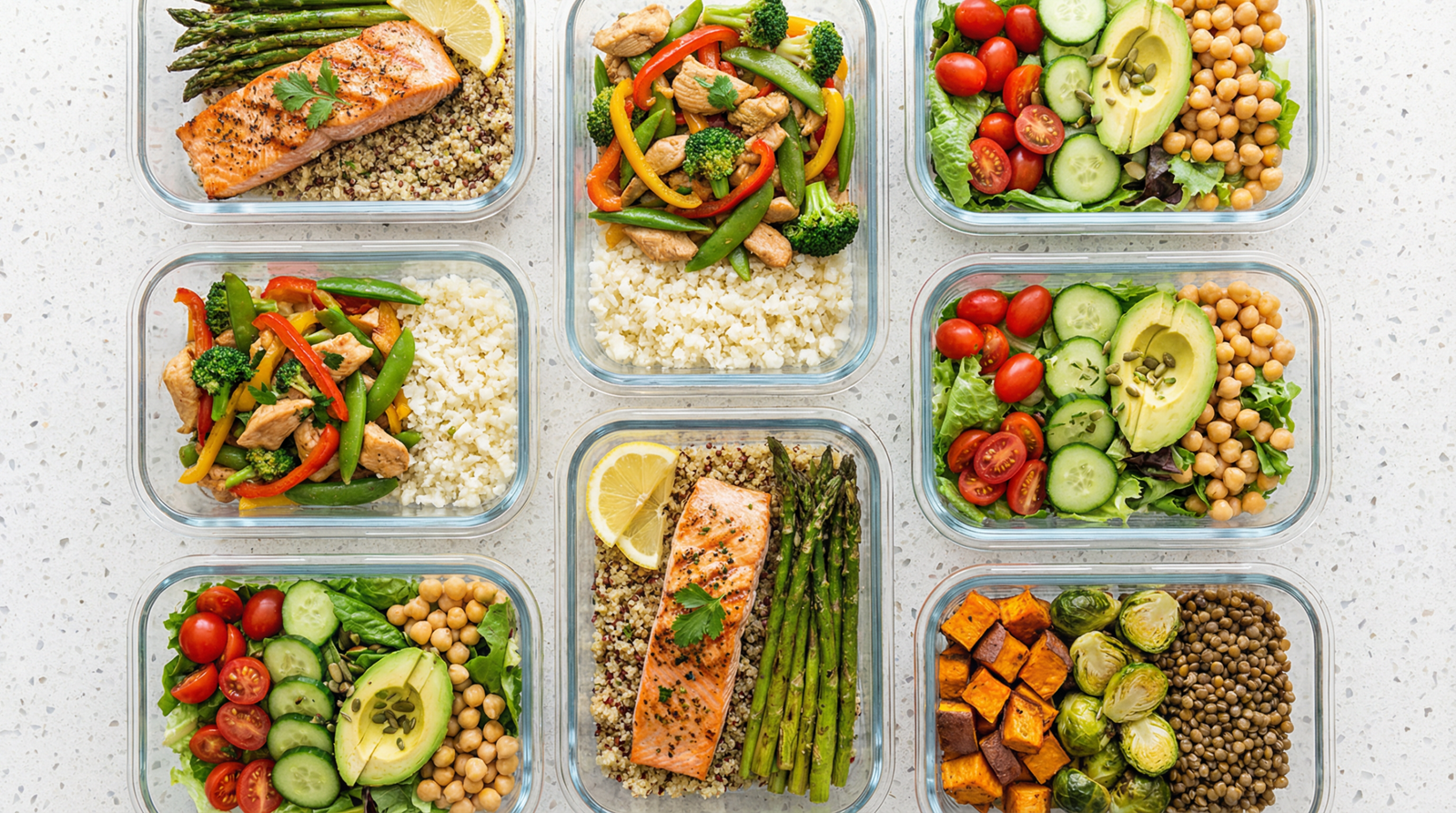
Seven meal prep containers with colourful low-glycemic dinners arranged overhead

See also: Diabetes Diet: Mediterranean, Low-Carb, Keto and Plant-Based — our complete pillar guide.

Meal preparation saves time and supports consistent eating habits. For people managing blood sugar, having diabetes-friendly dinners ready to go removes the daily decision fatigue that often leads to less healthy choices. This guide provides a complete week of low-glycemic dinners with shopping lists and batch cooking instructions.

📅 This Week’s Meal Plan — At a Glance

Day رات کا کھانا Prep Time
Monday Herb-crusted salmon with roasted broccoli and cauliflower rice 25 min
Tuesday Chicken stir-fry with mixed vegetables and brown rice 20 min
Wednesday Beef and vegetable soup with green salad 10 min (reheated)
Thursday Baked cod with Mediterranean vegetables and quinoa 35 min
Friday Turkey meatballs with courgette noodles and tomato sauce 20 min (reheated)
Saturday Grilled chicken thighs with roasted root vegetables 50 min
Sunday Lamb chops with green beans and mashed cauliflower 25 min

Understanding Low-Glycemic Eating

Glycemic index ranks carbohydrates by how quickly they raise blood glucose. Low-glycemic foods release glucose gradually, producing smaller, more sustained rises. High-glycemic foods cause rapid spikes followed by crashes.

Glycemic load considers both the glycemic index and the amount of carbohydrate in a typical serving. Low-glycemic dinners emphasise non-starchy vegetables, lean proteins, healthy fats, and moderate portions of whole grains or legumes.

Shopping List

🛒 Complete Shopping List for the Week

Proteins

  • 2 salmon fillets
  • 500g chicken breast
  • 400g stewing beef
  • 2 cod fillets
  • 500g turkey mince
  • 4 chicken thighs
  • 4 lamb chops

Vegetables

  • 2 heads broccoli, 1 head cauliflower
  • 1 bag mixed stir-fry vegetables
  • 2 onions, 4 carrots, 3 celery stalks
  • 1 aubergine, 2 courgettes
  • 1 red pepper, 1 yellow pepper, cherry tomatoes
  • 400g green beans, mixed salad leaves
  • Garlic, fresh herbs

Pantry Items

  • Brown rice (small bag), quinoa
  • 2 tins chopped tomatoes, chicken stock
  • Olive oil, reduced-sodium soy sauce
  • Dried herbs and spices

Batch Cooking Sunday

Dedicate two to three hours on Sunday to prepare components for the week. This upfront investment means weeknight dinners take 10–35 minutes.

  1. Beef soup: Brown beef in a large pot, add chopped onions, carrots, and celery, pour in stock and tinned tomatoes. Simmer for two hours.
  2. Cauliflower rice: Pulse raw cauliflower florets in a food processor until they resemble rice grains. Store in an airtight container for Monday.
  3. Turkey meatballs: Combine turkey mince with finely chopped onion, garlic, dried herbs, an egg, and breadcrumbs. Form into balls and bake at 200°C for 20 minutes. Cool and refrigerate for Friday.
  4. Stir-fry prep: Wash and chop vegetables for Tuesday. Store in containers so cooking is simply a matter of heating oil and adding ingredients.
  5. Quinoa: Cook a batch according to packet instructions for Thursday. Refrigerate.

Quick Weeknight Assembly

With Sunday prep complete, weeknight cooking becomes straightforward:

  • Monday (25 min): Coat salmon with herbs and olive oil, bake at 190°C for 15 minutes. Roast broccoli alongside. Warm cauliflower rice in a pan.
  • Tuesday (20 min): Slice chicken thinly, stir-fry with pre-chopped vegetables, add soy sauce. Serve with half a cup of brown rice.
  • Wednesday (10 min): Reheat soup prepared on Sunday. Serve with a simple green salad.
  • Thursday (35 min): Roast aubergine, courgette, and peppers with olive oil and oregano for 25 minutes. Add cod fillets for the final 12 minutes. Serve with reheated quinoa.
  • Friday (20 min): Reheat meatballs in tinned tomatoes with Italian herbs. Spiralise courgettes and sauté briefly.
  • Saturday (50 min): Marinate chicken thighs, grill or pan-fry for 12 minutes. Roast carrots and parsnips for 40 minutes.
  • Sunday (25 min): Season lamb chops, grill for 8 minutes. Steam green beans. Make mashed cauliflower by boiling then mashing with butter.

Tips for Success

✅ Meal Prep Success Tips

  • Portion control matters even with low-glycemic foods. Use smaller plates and serve vegetables first, then protein, then any starches.
  • Store prepared components in clear containers so you can see what needs using.
  • Adjust recipes to your preferences — swap proteins or vegetables as desired. The principles remain the same: emphasise vegetables, include adequate protein, limit refined carbohydrates.
  • Label containers with the day they are intended for to avoid confusion during the week.

✅ Key Takeaway

A few hours of weekend preparation enables a full week of diabetes-friendly dinners. Focus on non-starchy vegetables, lean proteins, and controlled portions of whole grains or legumes. Having meals ready reduces daily stress and supports consistent blood sugar management throughout the week.

Sources: Glycemic Index Foundation, Diabetes UK nutrition guidance, American Diabetes Association meal planning resources.


Related articles

New Dietary Guidelines Are a Big Deal for Diabetes

See also: Diabetes Diet: Mediterranean, Low-Carb, Keto and Plant-Based — our complete pillar guide.

So the U.S. just dropped new dietary guidelines. And honestly? They’re saying what we’ve been saying for years. Eat real food. Put protein first. Stop fearing fat. Cut the processed junk. About time.

What Changed

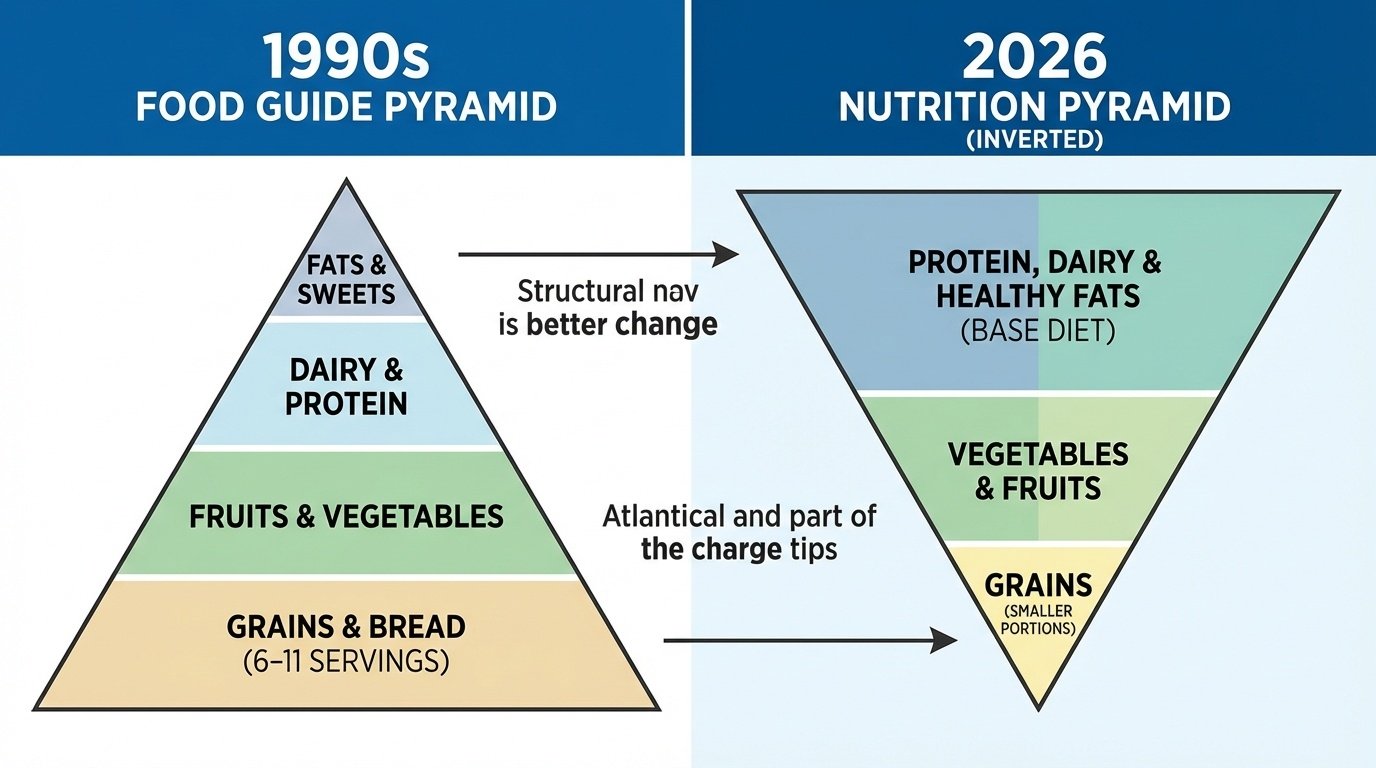
Remember that old food pyramid? The one from the 90s? Bread and cereal at the bottom. Six to eleven servings a day. Fat is evil. Eat more grains.

Yeah. That advice didn’t work out so great for us.

⚠️ The Reality Check

Half of Americans now have prediabetes or diabetes. Half. That’s not a coincidence.

The new pyramid flips everything. Protein, dairy, and healthy fats are now at the base. Grains got bumped to the top. Smaller portion. And they’re calling out ultra-processed foods as dangerous for the first time ever.

Why This Matters If You Have Diabetes

Here’s the thing. When you eat a bunch of refined carbs and processed food, your blood sugar goes nuts. You know this. You’ve lived it. That post-meal spike after pasta. The crash after cereal. The constant hunger when you’re eating “healthy” whole wheat everything.

The new guidelines basically say stop doing that.

ℹ️ New Protein Recommendations

They want Americans eating 1.2 to 1.6 grams of protein per kilogram of body weight daily. That’s way more than most people get. And protein doesn’t spike your blood sugar the way carbs do.

They’re also saying healthy fats are fine. Eggs with the yolks. Full-fat dairy. Avocados. Nuts. Olive oil. All good. These fats slow down digestion. Help with satiety. Keep you from reaching for snacks two hours later.

The Added Sugar Thing

The guidelines say added sugars are “not recommended.” That’s government speak for don’t eat this stuff.

For kids they’re even stronger. No added sugars at all.

Now look. We already know sugar is a problem. But having it in official government guidelines? That’s huge. Schools will pay attention. Food programs will have to adjust. Labels might change.

✅ Validation

What you’ve been doing to manage your blood sugar isn’t weird or extreme. It’s literally what the government now recommends for everyone.

What Real Food Actually Means

They define real food as whole, minimally processed, and recognizable. Few ingredients. No industrial additives. No artificial flavors. No added sugars hiding under fancy names.

Think about it this way:

Real Food ✅ Not Real Food ❌
An apple Apple juice
Chicken breast Chicken nuggets
Oatmeal Instant oatmeal packets with brown sugar flavor

You get the idea.

Practical Stuff You Can Use

Here’s what I’d take from this if you’re managing diabetes:

🥩

Protein at Every Meal

Eggs for breakfast. Meat or fish at lunch and dinner. Nuts between meals. Keeps blood sugar stable and keeps you full.

🥦

Three Servings of Vegetables

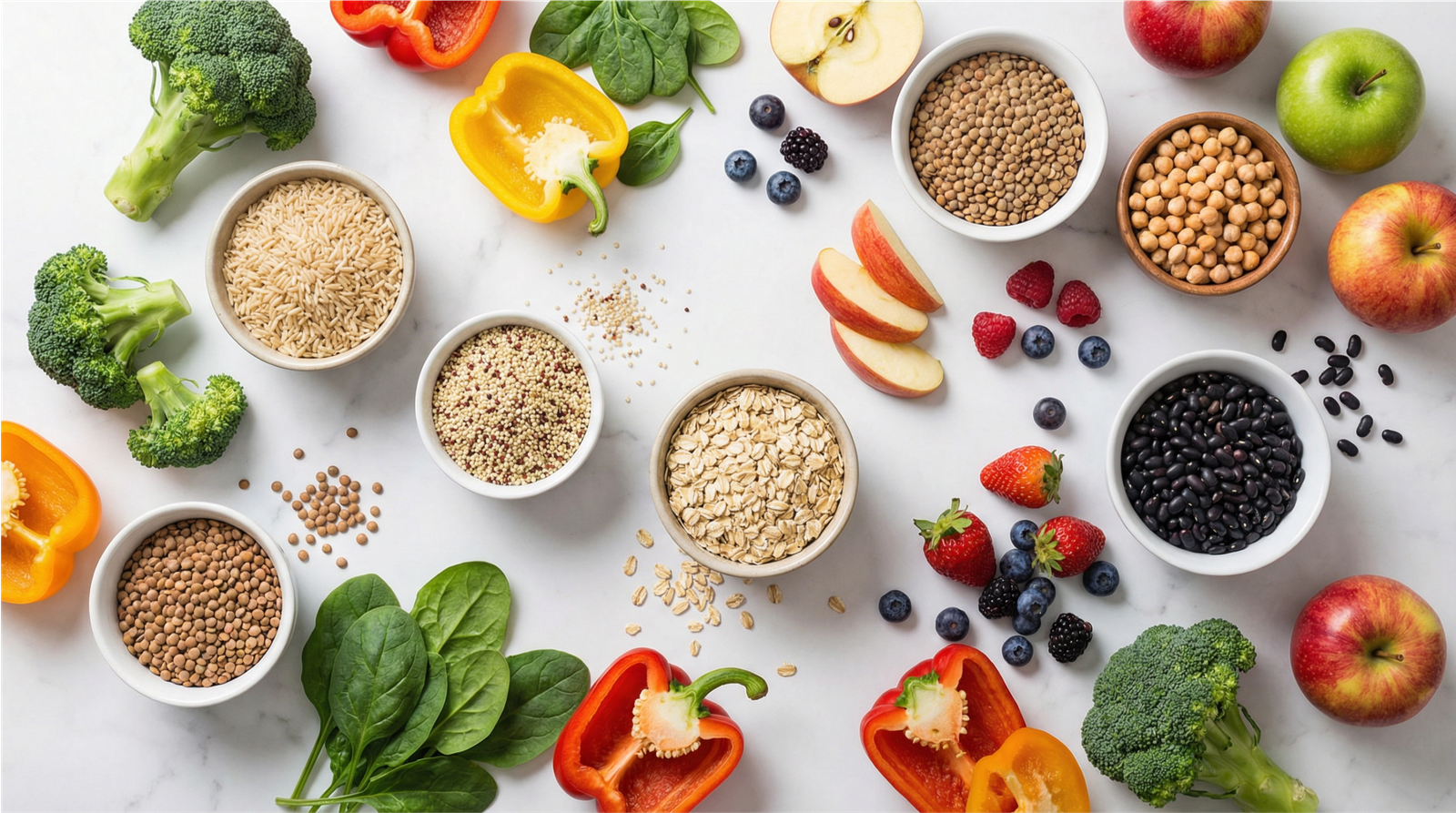
Non-starchy ones are your friend. Broccoli. Spinach. Peppers. Green beans. Fill you up without spiking glucose.

🍎

Two Servings of Fruit

Whole fruit. Not juice. The fiber slows sugar absorption. Berries are especially good. Low glycemic.

🌾

Two to Four Servings of Whole Grains

Actually whole. Oats. Quinoa. Brown rice. Watch portions—even whole grains affect blood sugar.

The Fat Thing

For decades we were told fat makes you fat. Avoid egg yolks. Use margarine. Drink skim milk.

Terrible advice. Especially for diabetes.

⚠️ The Low-Fat Trap

When food companies took fat out, they added sugar to make things taste good. Low-fat yogurt? Full of sugar. Fat-free salad dressing? Basically candy. We swapped one problem for a worse one.

The new guidelines say healthy fats are back. And they were never really the enemy.

Fatty fish like salmon. Eggs. Cheese. Full-fat Greek yogurt. Olive oil. These foods don’t cause the blood sugar chaos that low-fat high-carb alternatives do.

What Stays the Same

  • Water is still the best drink. No surprise there.
  • Vegetables and fruits are still important. Always were.
  • This isn’t a strict diet. They’re calling it a flexible framework. Cultural traditions matter. Personal preferences matter. The goal is real food most of the time. Not perfection.

My Take

Look. These guidelines aren’t perfect. Some people will say they don’t go far enough. Others will say the protein recommendations are too high. There’s always debate.

But the direction is right. Away from processed food. Toward real food. Away from fearing fat. Toward prioritizing protein.

✅ Bottom Line

If you’ve been managing diabetes by eating whole foods and watching carbs, you’ve been ahead of the curve. The government just caught up. Keep doing what you’re doing.

The new Dietary Guidelines for Americans are available at realfood.gov if you want to read the full report.

Carbs to Take Daily If You Have Diabetes

Carbs to Take Daily If You Have Diabetes

Among the most frequent queries from diabetes patients is about the amount of carbohydrates they are required to consume every day. The response to such a query is not generic; it depends on several factors such as the type of diabetes being experienced by a patient, their medications and rates of activity, and their health goals. According to the 2025 ADA Standards of Care, there has been a shift in concentration from gram counts to personal carbohydrate management based on timing and response as a result of high-quality carbohydrates being consumed at optimal times.

Importance of Carbohydrates to Diabetics

Carbohydrates have a high impact on blood sugar levels, compared to proteins and fats. When you consume carbohydrates, they are converted by your digestive system into glucose and absorbed into your bloodstream. In diabetes patients, controlling carbohydrate intake can be an effective way of managing blood sugar levels.

Key Insight: Tips from the ADA 2025 state that when it comes to carbohydrates, it is not how much is eaten that matters but rather their quality. Carbs that are high in fiber and nutrients and low in added sugars and saturated fats are favored over others.

Carbohydrate Intake Approaches

Although individualization has been stressed in the guidelines of 2025, there are a few methods that are evidence-based and found to be helpful for regulating blood sugar levels. These are compared below:

Approach Daily Carbs Per Meal Best For
Standard 130-230g 45-60g General diabetes management
Moderate Low-Carb 100-130g 30-45g Sustainable long-term control
Low-Carb 50-100g 15-30g Type 2 diabetes, weight loss
Very Low-Carb/Keto 20-50g 7-15g Intensive control (medical supervision required)

Standard Carbohydrate Intake (130-230 grams daily)

The American Diabetes Association recommends no specific amount of carbohydrates, recommending that all carbohydrates be derived from vegetables, fruits, legumes, whole grains, and dairy products. Typically, diabetes educators recommend an initial diet of 45-60 grams of carbohydrates per meal, and this amounts to 150-230 grams of total carbohydrate per day.

Moderate Low-Carb Diet (100-130 grams per day)

Evidence suggests that restricting carbohydrate intake modestly will help control higher levels of blood sugars without the need to severely limit carbohydrate intake. This will range between 30-45 grams of carbohydrate intake per sitting. This intake will actually help reduce A1C levels.

Low Carb Diet (50-100 grams/day)

“The low carbohydrate approach has received considerable support in type 2 diabetes research. It has been found effective in reducing blood sugar levels, requiring less medication, and cutting excess weight. This method is most effective in those who are resistant to insulin.”

Very Low-Carb/Ketogenic (20-50 grams)

Carbohydrates are limited to 20-50 grams per day on the ketogenic diet. Although great outcomes have been observed in some studies regarding glucose normalization and weight reduction, this diet needs to be monitored carefully, especially when insulin and/or sulfonylureas are administered because of the possibility of hypoglycemia.

⚠️ Important Safety Note

If you have diabetes and take insulin or oral medications such as sulfonylureas (glipizide, glyburide, glimepiride), or any medications for reducing glucose in the blood, you should cut down on your carbohydrate diet only after consulting your physician.

Recommendations by Diabetes Type

Type 2 Diabetes

A good beginning point would be a daily limit of 100-150 grams, and this would depend on your individual responses. Most diabetics with type 2 diabetes find that reducing carbohydrate intake below 130 grams per day creates a big difference. According to the 2025 guidelines, GLP-1 receptor agonists and SGLT2 inhibitors can impact carbohydrate tolerance.

Type 1 Diabetes

In the case of type 1 diabetes, insulin must be taken based on the amount of carbs, which requires carbohydrate counting. When there are changes in food, these must be implemented in conjunction with the diabetes management team to ensure insulin intake adjusts accordingly. Personal carbohydrate sensitivity can be detected by CGM.

Carbohydrate Quality | What to Choose

The guidelines for the year 2025 for the ADA recommend that the quality of carbs counts just as much as the quantity. This is how you can improve:

✅ Recommended Carbohydrates

  • Whole Grains (Brown Rice, Oatmeal, etc.)
  • Legumes (black beans, lentils, chickpeas)
  • Vegetables that are not starches (broccoli, spinach, peppers)
  • Fruits that contain fiber (berries, apples, pears)
  • Sweet potatoes and winter squash

❌ Carbohydrates to Limit

  • Sugary drinks (soda, juices, sweet tea)
  • White bread, white rice, white pasta
  • Pastries, cookies, and cakes
  • Candies & Sweets
  • Chips and Processed Snacks

How to Calculate Your Personal Carb Needs

The most effective way for an individual to find their ideal level of carbs is to test them systematically. This is where the 2025 guidelines strongly encourage the use of technology such as a Continuous Glucose Monitor (CGM) to measure a person’s tolerance of carbs.

Step-by-Step Testing Method

  1. Test before eating: Test your blood sugar before your meal (fasting or pre-meal baseline).
  2. Record Carbohydrates: Record exactly the amount of grams of carbs you had.
  3. Test 2 hours after: Check your blood sugar 2 hours after you start eating.
  4. Assess the answer: Target post-prandial glucose level <180 mg/dL; target <140 mg/dL if possible.
  5. Adjust and Repeat: If your numbers are too high, cut carbs by 10-15 grams when you next eat.

Targets for Blood Glucose after Meals (2025 Guidelines)

Timing Target Range Notes
Fasting/Pre-meal 80-130 mg/dL Before breakfast or meals
1-2 hours postprandial <180 mg/dL General target; <140 mg/dL is optimal
Pregnancy (GDM) <140 mg/dL (1hr) / <120 mg/dL (2hr) Stricter targets for gestational diabetes

Adjusting for Physical Activity

Physical activity raises the sensitivity and usage rate of insulin in the body. You may therefore consume more carbohydrates, as there may not be a spike in sugar levels.

🚶

Light Activity

Walking, Light Housework: Requires no change

🏃

Moderate Activity

Brisk Walking, Cycling: Increase 15-30g carbs around exercise

🏋️

Intense Activity

Running, Sports: May require 30-60g daily; requires close monitoring

Sample Carbohydrate Portions

Knowing portion sizes is important to allow accurate estimates of your daily carbohydrate consumption. The following foods each yield 15 grams of carbohydrates (one “carb choice”):

Grains & Starches (15g each)

  • 1 slice bread
  • 1/3 cup of cooked rice and pasta
  • 1/2 cup oatmeal
  • 1 small potato (3 oz)
  • 1/2 cup corn or peas

Fruits (15g each)

  • 1 small apple or orange
  • 1/2 banana
  • 3/4 cup blueberries
  • 1 cup strawberries
  • 17 small grapes

Key Takeaways

  • Every diabetic patient has a unique carbohydrate requirement; there are no general targets for all patients with diabetes, as they may vary from each other according to their type and medications taken.
  • The guidelines for the year 2025 focus on the quality and not the quantity of carbohydrates. Eat whole and fiber-rich foods rather than refined carbohydrates.
  • For the majority of people with type 2 diabetes, a daily target of 50-150 grams of total carbohydrate intake is recommended, but this needs to vary according to individual needs.
  • Test your blood sugar levels prior to and 2 hours post-eatings to determine your ideal carbohydrate intake.
  • Exercise enhances carbohydrate sensitivity: amount to consume varies according to level of exercise.
  • Talk to your healthcare provider before changing your diet in major ways, particularly if taking diabetes medications.

References

  1. American Diabetes Association. Standards of Care in Diabetes—2025. Diabetes Care 2025;48(Supplement 1)
  2. American Diabetes Association. Nutrition Overview
  3. National Institute of Diabetes and Digestive and Kidney Diseases (NIDDK)
  4. diaTribe Foundation. Nutrition and Diabetes Resources
  5. Centers for Disease Control and Prevention. Carbohydrates and Diabetes

Medical Disclaimer: This article is for educational purposes only and is not intended as medical advice. Always consult with your healthcare provider or registered dietitian before making significant changes to your diet, especially if you take diabetes medications.

Garden Herb Yogurt Spread

garden_herb_yogurt_spread

Garden Herb Yogurt Spread

3g NET CARBS
PHASE 1Low-Carb High-Protein Vegetarian No-Cook

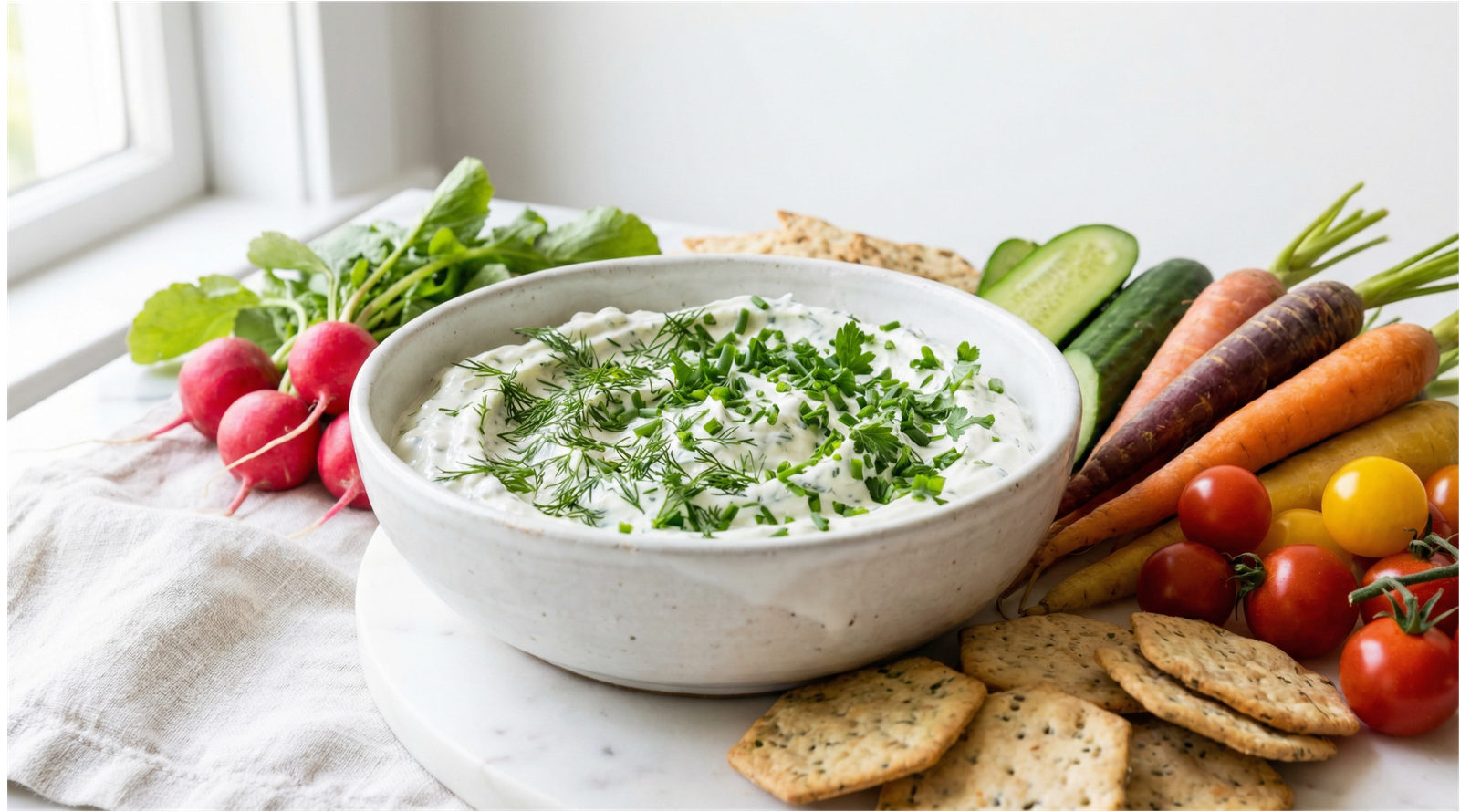
This Garden Herb Yogurt Spread is a creamy, protein-rich dip perfect for vegetables and low-carb crackers. Made with Greek yogurt and fresh herbs, it is a diabetes-friendly alternative to high-fat dips.

Prep Time
10 min
Cook Time
0 min
Servings
8
Difficulty
Easy

Diabetes-Friendly Highlights

3g
نیٹ کاربس
5g
پروٹین
60
Calories
2g
Sugar

اجزاء

For the Spread

For Serving

غذائیت حقائق

Serving Size: 1/4 cup

Calories60
Total Fat3g
Saturated Fat2g
Cholesterol10mg
Sodium180mg
Total Carbohydrates3g
Dietary Fiber0g
Sugars2g
نیٹ کاربس3g
پروٹین5g

ہدایات

1

In a medium bowl, combine the Greek yogurt with minced garlic and lemon juice.

Tip: Use full-fat yogurt for the creamiest texture.

2

Finely chop all fresh herbs and add to the yogurt mixture.

Tip: Fresh herbs make a huge difference in flavor.

3

Season with salt and pepper, then mix well to combine.

Tip: Taste and adjust seasoning as needed.

4

Cover and refrigerate for at least 30 minutes to let flavors meld.

Tip: Overnight refrigeration gives the best flavor.

5

Transfer to a serving bowl and garnish with extra herbs.

Tip: A drizzle of olive oil on top adds richness.

6

Serve with fresh vegetables and low-carb crackers.

Tip: Cut vegetables into sticks for easy dipping.

Diabetes Management Tips

Protein Powerhouse

Greek yogurt provides 5g protein per serving for sustained energy.

Probiotic Benefits

Live cultures in yogurt support gut health and digestion.

Herb Variations

Try basil, mint, or tarragon for different flavor profiles.

Make It Thicker

Strain the yogurt through cheesecloth for a thicker, cream cheese-like consistency.

Storage and Leftovers

Store in an airtight container in the refrigerator for up to 5 days. Stir well before serving as liquid may separate. Do not freeze.

Enjoyed this recipe?

Explore more diabetes-friendly recipes on Living Diabetes!

Browse All Recipes

Slow-Roasted Tomato Bisque

slow_roasted_tomato_bisque

Slow-Roasted Tomato Bisque

8g NET CARBS
PHASE 1Low-Carb Vegetarian Gluten-Free

This Slow-Roasted Tomato Bisque is a comforting, diabetes-friendly soup rich in flavor without added sugars of store-bought versions. Slow roasting the tomatoes brings out their natural sweetness.

Prep Time
15 min
Cook Time
45 min
Servings
6
Difficulty
Easy

Diabetes-Friendly Highlights

8g
نیٹ کاربس
4g
پروٹین
120
Calories
6g
Sugar

اجزاء

For the Soup

For Garnish

غذائیت حقائق

Serving Size: 1 cup

Calories120
Total Fat8g
Saturated Fat2g
Cholesterol10mg
Sodium280mg
Total Carbohydrates10g
Dietary Fiber2g
Sugars6g
نیٹ کاربس8g
پروٹین4g

ہدایات

1

Preheat oven to 400F. Place tomatoes, onion, and garlic on a baking sheet.

Tip: Cut side up for tomatoes to caramelize.

2

Drizzle with olive oil and sprinkle with dried herbs, salt, and pepper.

Tip: Do not skimp on olive oil for best flavor.

3

Roast for 35-40 minutes until tomatoes are soft and slightly charred.

Tip: The charred bits add depth of flavor.

4

Transfer roasted vegetables to a large pot. Add vegetable broth and bring to a simmer.

Tip: Scrape all caramelized bits from the pan.

5

Use an immersion blender to puree until smooth. Stir in heavy cream.

Tip: Blend thoroughly for a silky texture.

6

Taste and adjust seasoning. Serve hot with fresh basil garnish.

Tip: A swirl of cream on top makes it restaurant-worthy.

Diabetes Management Tips

Natural Sweetness

Roasting brings out tomatoes natural sugars without adding any sweeteners.

Fiber Boost

Add roasted red peppers or zucchini for extra fiber and nutrients.

Dairy-Free Option

Replace heavy cream with coconut cream for a dairy-free version.

Batch Cooking

This soup freezes beautifully for quick weeknight meals.

Storage and Leftovers

Store in an airtight container in the refrigerator for up to 5 days. Freeze for up to 3 months. Reheat gently on the stovetop, adding a splash of broth if needed.

Enjoyed this recipe?

Explore more diabetes-friendly recipes on Living Diabetes!

Browse All Recipes

Toasted Cumin Sea Bass

toasted_cumin_sea_bass

Toasted Cumin Sea Bass

2g NET CARBS
PHASE 1Low-Carb High-Protein کیٹو Gluten-Free

This Toasted Cumin Sea Bass is a flavorful, diabetes-friendly dinner ready in under 30 minutes. The aromatic cumin crust creates a beautiful golden exterior while keeping the fish moist and tender inside.

Prep Time
10 min
Cook Time
15 min
Servings
4
Difficulty
Easy

Diabetes-Friendly Highlights

2g
نیٹ کاربس
32g
پروٹین
280
Calories
0g
Sugar

اجزاء

For the Fish

For Serving

غذائیت حقائق

Serving Size: 1 fillet

Calories280
Total Fat14g
Saturated Fat2g
Cholesterol85mg
Sodium380mg
Total Carbohydrates2g
Dietary Fiber0g
Sugars0g
نیٹ کاربس2g
پروٹین32g

ہدایات

1

Toast cumin seeds in a dry skillet over medium heat for 2-3 minutes until fragrant. Let cool, then crush lightly.

Tip: Do not over-toast or it will become bitter.

2

Pat sea bass fillets dry with paper towels. Mix toasted cumin, coriander, salt, and pepper.

Tip: Dry fish ensures a crispy crust.

3

Press the spice mixture onto both sides of each fillet.

Tip: Press firmly so spices adhere well.

4

Heat olive oil in a large skillet over medium-high heat until shimmering.

Tip: Oil should be hot but not smoking.

5

Cook fish for 4-5 minutes per side until golden brown and cooked through.

Tip: Do not move fish while cooking for best crust.

6

Serve immediately with lemon wedges and fresh greens.

Tip: A squeeze of lemon brightens all flavors.

Diabetes Management Tips

Blood Sugar Friendly

With only 2g net carbs, this dish has minimal impact on blood sugar levels.

Omega-3 Rich

Sea bass provides heart-healthy omega-3 fatty acids essential for diabetes management.

Spice Substitution

Try fennel seeds or caraway for a different flavor profile.

Meal Prep

Season the fish ahead of time and store in the refrigerator for quick cooking.

Storage and Leftovers

Store leftovers in an airtight container in the refrigerator for up to 2 days. Reheat gently in a skillet or oven to maintain the crispy crust. Not recommended for freezing.

Enjoyed this recipe?

Explore more diabetes-friendly recipes on Living Diabetes!

Browse All Recipes