
Navigating the Skies with Diabetes: Your Essential Guide to TSA Guidelines 2026

Navigating the Skies with Diabetes: Your Essential Guide to TSA Guidelines 2026

The anticipation of air travel often brings a unique set of considerations for individuals managing chronic health conditions, particularly diabetes. A smooth journey hinges on meticulous planning, especially when navigating airport security with vital medical supplies. This comprehensive guide aims to clarify the Transportation Security Administration (TSA) guidelines for travelers with diabetes in 2026, offering practical advice and empathetic insights to foster confidence as you embark on your next adventure.

Understanding TSA’s Approach to Medical Conditions

The Transportation Security Administration (TSA) is dedicated to upholding the safety and security of all passengers while simultaneously striving for an efficient screening process. For those traveling with medical conditions, this commitment extends to accommodating necessary medical supplies and devices. Fundamentally, all passengers and their belongings are subject to screening. Nevertheless, the TSA acknowledges the distinct requirements of individuals managing conditions such as diabetes.

Effective communication is paramount. It is strongly advised that you inform the TSA officer about your diabetes and any associated medical supplies or devices prior to initiating the screening process. This disclosure can be made verbally or by presenting a TSA Notification Card, which facilitates discreet communication of your specific needs. Furthermore, the TSA provides the TSA Cares helpline, a valuable resource designed to offer additional support and information to travelers with disabilities and medical conditions.

Essential Diabetes Supplies: What to Pack and Where

Medications: Insulin and Oral Treatments

For many individuals living with diabetes, insulin and other injectable or oral medications are indispensable. The TSA permits medically necessary liquids, gels, and aerosols in carry-on bags in quantities exceeding the standard 3.4 ounces (100 milliliters) rule. This exemption specifically applies to insulin and other liquid medications pertinent to diabetes management. Prudent travelers should consider the following:

  • Ensure all medications are clearly labeled: Although not a strict mandate, clearly labeled medications can significantly streamline the screening process.
  • Carry prescriptions or a doctor’s note: Possessing documentation from your healthcare provider can substantiate the medical necessity of your supplies, particularly for larger liquid volumes or unusual items.
  • Always transport medications in your carry-on luggage: Checked baggage is prone to extreme temperature fluctuations, which can compromise the efficacy of insulin and other temperature-sensitive medications. Keeping these items with you ensures they maintain a stable temperature and remain readily accessible throughout your journey.

Insulin Pumps and Continuous Glucose Monitors (CGMs)

Contemporary diabetes management frequently incorporates advanced devices such as insulin pumps and continuous glucose monitors (CGMs). These devices are generally allowed through security checkpoints. Upon approaching the screening area, it is imperative to inform the TSA officer about your pump or CGM and its placement on your person. Several screening options are available:

  • X-ray screening: Most insulin pumps and CGMs can safely undergo X-ray screening. Nevertheless, it is crucial to consult your device manufacturer for precise guidance regarding compatibility with airport screening technologies.
  • Metal detector: These devices are also amenable to screening via a walk-through metal detector.
  • Advanced Imaging Technology (AIT): Should you opt for AIT screening, be advised that some manufacturers caution against exposing certain devices to this technology. Always verify with your specific device manufacturer.
  • Pat-downs: If you are unable to disconnect from your device, or if it triggers an alarm during screening, a pat-down may be necessary. These procedures are conducted by a TSA officer of the same sex and are performed with utmost care and gentleness.

Crucial Battery Information: Devices containing lithium metal or lithium-ion batteries must be transported in carry-on baggage. This constitutes a vital safety regulation designed to mitigate potential fire hazards within the cargo hold.

Syringes, Lancets, and Sharps Containers

The TSA permits syringes, lancets, and other sharp objects when they are accompanied by insulin or other injectable medications. To ensure both safety and compliance, consider these points:

  • Maintain proximity with medication: Syringes and lancets should be kept alongside their corresponding medication.
  • Utilize dedicated sharps containers: For the secure disposal of used needles and lancets, always carry a robust, puncture-proof sharps disposal container. This practice safeguards both you and airport personnel.

Blood Sugar Test Kits and Hypoglycemia Treatments

Blood sugar test kits, encompassing glucose meters, test strips, and control solutions, are permissible in both carry-on and checked baggage. For managing episodes of hypoglycemia, liquid or gel forms of rapid-acting sugar (e.g., juice, glucose gel) exceeding 3.4 ounces are allowed in carry-on bags if deemed medically necessary. Always remember to declare these items to the TSA officer during the screening process.

“Preparation transcends mere packing; it embodies the empowerment derived from knowledge and confidence, enabling one to navigate every facet of their journey, particularly when managing a health condition.”

Navigating the Security Checkpoint with Confidence

Before You Go: Proactive Planning

A well-prepared traveler inherently possesses greater confidence. Prior to departing for the airport:

  • Organize a distinct medical bag: Designate a small, easily accessible bag specifically for all your diabetes supplies. This arrangement facilitates swift presentation at the checkpoint.
  • Assemble medical documentation: Ensure you have a letter from your physician detailing your condition, medications, and devices. Such documentation can prove invaluable should questions arise.
  • Consider a TSA Notification Card: This card, readily available on the TSA website, allows you to discreetly inform officers of your medical condition.

At the Checkpoint: What to Expect

Upon reaching the security checkpoint:

  • Declare all medical items: Inform the TSA officer about your liquid medications, insulin pump, CGM, and any other medical devices.
  • Anticipate visual inspection: Your medical supplies may undergo visual inspection or additional screening. This is a standard procedure designed to ensure safety.
  • Request a private screening: Should you prefer, you are entitled to request a private screening in a separate area.
  • Understanding pat-downs: If a pat-down becomes necessary, recognize that it is a routine procedure. You may request that it be conducted by an officer of the same gender.

TSA PreCheck® Lanes: An Advantage for Diabetics

Enrollment in TSA PreCheck® can significantly streamline your airport experience. Within these lanes, you typically are not required to remove shoes, laptops, or 3-1-1 compliant liquids. While this offers considerable convenience, it is important to remember that additional screening may still be necessary for insulin pumps or glucose monitors if they trigger an alarm during screening. If an AIT scan is utilized and your device alarms, a targeted pat-down will be performed, and your hands may be tested for traces of explosives.

Practical Tips for a Smooth Journey

  • Always Double Your Supplies: Pack at least twice the quantity of medication and supplies you anticipate needing for your trip. This accounts for potential delays or unforeseen circumstances.
  • Maintain Accessibility: Store essential diabetes management items, such as glucose tablets or juice, within easy reach throughout the flight.
  • Prioritize Hydration and Smart Snacking: Air travel can influence blood sugar levels. Consume ample water and keep diabetes-friendly snacks readily available.
  • Address Time Zone Adjustments: When traversing multiple time zones, consult your healthcare provider to strategize how to modify your medication schedule for optimal blood glucose control.
  • Wear Medical Alert Identification: In the event of an emergency, medical alert identification can furnish critical information to first responders.

Key Takeaways

  • Always proactively inform TSA officers about your diabetes and all associated medical supplies.
  • Ensure all medications and medical devices are packed exclusively in your carry-on baggage.
  • Carry a comprehensive doctor’s note or prescription for all medications and devices.
  • Be prepared for thorough visual inspections or supplementary screening of your supplies.
  • Plan meticulously for potential travel disruptions by packing an abundance of extra supplies and appropriate snacks.

نتیجہ اخذ کرنا

Traveling with diabetes in 2026, while undeniably requiring foresight and diligent preparation, remains entirely manageable. By comprehending and adhering to TSA guidelines, engaging in clear communication with security personnel, and proactively planning for your individual needs, you can cultivate a stress-free and enjoyable travel experience. Always remember that your health and safety are paramount. Therefore, it is always prudent to consult your healthcare provider before undertaking any significant travel to discuss personalized adjustments to your diabetes management plan.


Beach Day with Diabetes: Sun and Safety

Beach Day with Diabetes: Sun and Safety

Introduction

The allure of a beach day—the warm sun, the gentle rhythm of the waves, the refreshing ocean breeze—is, for many, irresistible. However, for individuals managing diabetes, a day under the sun can present some unique challenges. The heat, increased physical activity, and even subtle changes in routine can all significantly impact blood glucose levels and the effectiveness of diabetes medications. Nevertheless, with careful planning and proactive management, a beach day can truly be a source of immense joy and relaxation, rather than an occasion for stress. This article aims to guide you through essential strategies, ensuring your beach outing is both safe and enjoyable, allowing you to soak up the sun without compromising your health.

Preparing for Your Beach Day

Thorough preparation, it turns out, is the cornerstone of a successful and safe beach day when you live with diabetes. It’s not simply about packing your swimsuit; rather, it’s about packing smart for your health.

Essential Supplies Checklist

Before you even think about heading out, we recommend creating a comprehensive checklist of all your diabetes supplies. This should, of course, include:

  • Blood Glucose Monitoring Equipment: Don’t forget your meter, test strips, lancets, and, importantly, extra batteries. If you use a continuous glucose monitor (CGM), ensure it’s securely attached and waterproof if necessary.
  • Insulin and Medications: Pack all prescribed insulin, oral medications, and any other diabetes-related prescriptions. A good rule of thumb is to have enough for the entire day, plus a little extra as a contingency—just in case.
  • Insulin Delivery Devices: This includes syringes, insulin pens, or pump supplies. Should you be using an insulin pump, always bring backup supplies in case of malfunction or dislodgement.
  • Hypoglycaemia Treatments: Fast-acting carbohydrates are absolutely crucial here; think glucose tablets, glucose gel, juice boxes, or hard candies. These are vital for quickly addressing any low blood glucose episodes.
  • Snacks and Water: Pack a variety of diabetes-friendly snacks to prevent hunger and help manage blood glucose fluctuations. Crucially, bring plenty of water to stay hydrated throughout the day.
  • Medical ID: It’s always wise to wear a medical alert bracelet or necklace indicating you have diabetes. This simple measure can be life-saving in an emergency.
  • Sunscreen and Protective Gear: High SPF sunscreen, a wide-brimmed hat, sunglasses, and protective footwear (water shoes or sandals) are all non-negotiables.

Keeping Medications Cool

Heat, as we know, can degrade insulin and other medications, rendering them ineffective. This is a particularly critical consideration in a hot beach environment. To combat this, use an insulated cooler with ice packs to store insulin, pens, and other heat-sensitive medications. A vital point to remember: never let insulin freeze, as this also damages its efficacy. Keep the cooler out of direct sunlight and try to avoid opening it unnecessarily to maintain a consistent cool temperature. While oral medications generally tolerate warmer temperatures better, it’s still good practice to keep them out of direct sun.

Monitoring Blood Glucose in the Heat

Temperature fluctuations and increased activity levels can, perhaps surprisingly, significantly impact your blood glucose. Consequently, frequent monitoring becomes absolutely key to staying safe.

The Impact of Heat on Blood Glucose

High temperatures can affect blood glucose in several ways. For instance, heat can cause blood vessels to dilate, which might lead to faster insulin absorption and, therefore, a higher risk of hypoglycaemia. Conversely, dehydration, often a consequence of heat exposure, can actually elevate blood glucose levels. Interestingly, even sunburn is a stress on the body, which may trigger a rise in blood glucose. Therefore, you may find yourself needing to check your blood glucose more frequently than usual—perhaps every 2–4 hours, or even more often if you’re particularly active or simply not feeling well.

Staying Hydrated

Dehydration is a serious concern, especially for individuals with diabetes, as it can exacerbate high blood glucose levels and lead to heat-related illnesses. Drink plenty of water throughout the day, even if you don’t actively feel thirsty. It’s best to avoid sugary beverages, which can spike blood glucose, and limit alcohol consumption, as it can interfere with blood glucose regulation and hydration.

Sun Protection and Skin Care

Beyond the immediate concerns of managing blood glucose, protecting your skin, particularly your feet, is crucial for individuals with diabetes.

Sunburn and Diabetes

As we’ve already touched upon, sunburn is not just uncomfortable; it’s a stress that may trigger a rise in blood glucose levels. Moreover, damaged skin is inherently more susceptible to infection, which is a particular concern for those with diabetes due to potential impaired healing. So, reapply sunscreen generously every two hours, or even more frequently if you’re swimming or sweating.

Protecting Your Feet

Your feet, in particular, require special attention at the beach. Hot sand can cause severe burns remarkably quickly, and unseen sharp objects can lead to cuts or punctures. Always, and we mean always, wear protective footwear. After swimming, dry your feet thoroughly, paying particular attention to the areas between the toes, to prevent fungal infections. Finally, inspect your feet daily for any cuts, blisters, or redness, and address them promptly.

Food and Activity Considerations

Enjoying the beach often involves a delightful mix of relaxation and activity, both of which, of course, impact diabetes management.

Smart Snacking

Plan your meals and snacks carefully. If you’re bringing food, ensure it’s kept at a safe temperature to prevent spoilage. Opt for balanced snacks that combine carbohydrates with protein and healthy fats; this can really help stabilise blood glucose. And, naturally, be mindful of portion sizes, especially if you’re indulging in holiday treats.

Staying Active Safely

Whether it’s a leisurely stroll along the shore or a refreshing swim, physical activity is undoubtedly beneficial but requires careful monitoring. Check your blood glucose before, during, and after any significant activity. You might find you need to consume extra carbohydrates or even reduce insulin doses to prevent hypoglycaemia. Always wear your medical ID, even when swimming, so that others are aware of your condition in an emergency.

Key Takeaways

  • Preparation is paramount: This means packing all necessary diabetes supplies, including appropriate insulin storage, monitoring equipment, and emergency snacks.
  • Monitor frequently: Given that heat and activity can significantly impact blood glucose, check levels more often than you usually would.
  • Stay hydrated: Drink plenty of water and consider sugar-free electrolyte drinks to prevent dehydration.
  • Protect your skin and feet: Use sunscreen diligently and wear protective footwear to prevent burns, cuts, and infections.
  • Adjust for activity: Be prepared to modify your insulin or food intake based on your activity levels, and always consult your healthcare provider for personalised advice.

نتیجہ اخذ کرنا

A beach day, with its inherent promise of relaxation and rejuvenation, is entirely achievable and, indeed, enjoyable for individuals with diabetes. By embracing thoughtful planning, diligent monitoring, and proactive self-care, you can confidently navigate the unique challenges presented by the sun and sand. Remember, your diabetes management plan is a partnership with your healthcare team. It is always wise to consult your doctor or diabetes educator for personalised advice tailored to your specific needs before making any significant changes to your routine. With the right strategies in place, your next beach adventure can truly be a source of joy and well-being. Enjoy the waves!

Summer Travel with Diabetes: Your Essential Packing List

Summer Travel with Diabetes: Your Essential Packing List

Summer travel, while undeniably exciting and replete with opportunities for adventure and relaxation, introduces a distinct set of considerations for individuals navigating diabetes. A truly smooth and healthy journey, we have found, hinges on meticulous planning—particularly when it comes to curating the right packing list. This article aims to offer an evidence-based framework for preparing for summer travel with diabetes, focusing on those essential items that can help you traverse your journey with both confidence and, perhaps more importantly, peace of mind.

Essential Diabetes Supplies: Beyond the Basics

When embarking on any trip, a cardinal rule for diabetes supplies immediately comes to mind: always pack more than you anticipate needing. Indeed, doubling your usual quantity is often a prudent strategy, accounting for potential delays, the unfortunate reality of lost luggage, or any unforeseen circumstances that might arise. Crucially, these vital items should always reside in your carry-on bag. Why, you ask? Checked luggage, as many of us know, can be subjected to extreme temperature fluctuations and, regrettably, may find itself separated from you at the most inconvenient times.

Medications and Devices

  • Insulin and Oral Medications: Naturally, all prescribed insulin (whether in vials or pens) and oral diabetes medications must be packed. It is imperative to ensure you have a sufficient quantity for the entirety of your trip, plus a generous buffer.
  • Syringes, Pen Needles, and Lancets: These items are, quite simply, indispensable for both insulin administration and routine blood glucose monitoring. We also suggest packing a dedicated sharps container for safe disposal—a detail often overlooked.
  • Blood Glucose Meter and Test Strips: Regular monitoring becomes even more critical when routines shift, diets change, and activity levels vary during travel. Don’t forget to pack extra batteries for your meter; it’s a small detail that can make a big difference.
  • Continuous Glucose Monitor (CGM) Supplies: For those who rely on a CGM, bringing an ample supply of sensors, transmitters, and insertion devices is non-negotiable.
  • Insulin Pump Supplies: Pump users should include extra reservoirs, infusion sets, and batteries. Furthermore, an emergency insulin kit—comprising syringes and insulin—is an absolute must, safeguarding against potential pump malfunctions.

Hypoglycaemia Treatment

Being prepared for low blood sugar is paramount. Therefore, always pack fast-acting carbohydrates that are both convenient to carry and easy to consume:

  • Glucose Tablets or Gel: These products are specifically formulated for rapid glucose absorption, making them highly effective.
  • Hard Candies or Juice Boxes: These provide non-perishable alternatives that can swiftly elevate blood sugar levels.
  • Glucagon Emergency Kit: It is certainly worth discussing with your healthcare provider whether this would be an appropriate addition to your travel kit, depending on your specific circumstances.

Protecting Your Supplies from Summer Heat

The summer months, with their often soaring temperatures, can pose a significant threat to insulin and various other diabetes medications. These substances are inherently sensitive to heat, and exposure to elevated temperatures can, unfortunately, diminish their effectiveness.

As the CDC rightly notes, “Insulin should not be exposed to temperatures that are too hot or too cold. The best storage option is often a small cooler or cooler bag with enough ice to keep it cool without freezing” [1].

So, what are some practical options for temperature control?

  • Insulated Cooler Bags: Small, portable cooler bags, ideally equipped with gel packs (and critically, not ice, which could inadvertently freeze insulin), are excellent for maintaining insulin and other heat-sensitive medications at a safe temperature. Frio bags, which are activated simply with water, also offer a superb solution for maintaining cool temperatures without the need for refrigeration.
  • Avoid Direct Sunlight: This might seem obvious, but it bears repeating: never, under any circumstances, leave medications in direct sunlight or in a hot car. The internal temperature of a vehicle can rise astonishingly quickly.

Food, Hydration, and Blood Sugar Management

Travel, by its very nature, often disrupts established eating routines and introduces a plethora of new food options. Strategic planning in this area, we find, can be instrumental in maintaining stable blood glucose levels.

  • Healthy Snacks: Packing non-perishable, diabetes-friendly snacks—think nuts, seeds, whole-grain crackers, and fruit—can be an absolute lifesaver during unexpected delays or when suitable healthy options are simply unavailable.
  • Hydration: Staying adequately hydrated is paramount, particularly when venturing into warmer climates. Carry a reusable water bottle and make a conscious effort to drink plenty of water throughout the day. It’s worth remembering that dehydration can, in fact, influence blood sugar levels.
  • Meal Planning: Take a little time to research food options both at your destination and along your travel route. When dining out, a mindful approach to portion sizes and carbohydrate content can go a long way.

Foot Care: A Travel Priority

For individuals with diabetes, the increased walking and new footwear often associated with travel can unfortunately place their feet at considerable risk.

  • Comfortable Footwear: Pack comfortable, supportive shoes that you have already broken in. A word of caution: avoid brand-new shoes, as they are notorious for causing blisters.
  • Daily Foot Checks: Make it a habit to inspect your feet daily for any cuts, blisters, redness, or swelling. Addressing any issues promptly is absolutely crucial.
  • Moisturising Lotion: Keeping your feet moisturised can help prevent dry, cracked skin—another common concern.

Documentation and Communication: Be Prepared

Having the appropriate documentation at hand and knowing precisely whom to contact in an emergency can significantly alleviate stress and help ensure you receive appropriate care should the need arise.

  • Medical Identification: Wearing a medical ID bracelet or necklace that clearly indicates you have diabetes is a simple yet incredibly effective measure.
  • Doctor’s Letter: Carry a letter from your doctor. This should explain your condition, list your medications, and detail any necessary medical devices. Such a document can prove invaluable for airport security and, more critically, in the event of medical emergencies, especially when travelling abroad.
  • Prescriptions: Bring copies of all your prescriptions, including the generic names for your medications. This can be particularly helpful if you need a refill in an unfamiliar location.
  • Emergency Contacts: Maintain a readily accessible list of emergency contacts, including your healthcare provider, family members, and your travel insurance information.

Activity and Monitoring: Staying on Track

Travel, almost by definition, often involves more physical activity, which can impact blood sugar levels.

  • Frequent Monitoring: It is generally advisable to check your blood glucose more often than you typically would, especially before and after activities and whenever you’re trying new foods.
  • Adjusting Insulin: This is a key discussion point to have with your doctor well before your trip. Understand how to adjust insulin doses based on varying activity levels, time zone changes, and dietary shifts.
  • Stay Active Safely: By all means, enjoy physical activities, but be mindful of the time of day, particularly in hot climates. It’s often best to avoid strenuous outdoor activities during the hottest parts of the day.

Key Takeaways

  • Always pack double the amount of diabetes supplies you anticipate needing, and always keep them in your carry-on.
  • Protect insulin and other medications from extreme temperatures using insulated bags or Frio pouches.
  • Prioritise hydration and pack diabetes-friendly snacks to help manage blood sugar fluctuations during travel.
  • Wear comfortable shoes and perform daily foot checks to prevent complications.
  • Carry essential medical documentation, including a doctor’s letter and prescriptions, for smooth travel and emergency preparedness.

نتیجہ اخذ کرنا

Embarking on summer travels with diabetes is, unequivocally, an entirely achievable endeavour, provided one engages in careful planning and thorough preparation. By meticulously organising your essential supplies, diligently protecting your medications, thoughtfully managing your diet and hydration, and prioritising meticulous foot care, you can wholeheartedly enjoy your adventures without compromising your health. We strongly recommend consulting your healthcare provider well in advance of your trip to discuss any necessary adjustments to your diabetes management plan. Safe travels!

References

[1] CDC. (n.d.). Managing Diabetes in the Heat. Retrieved from https://www.cdc.gov/diabetes/articles/managing-diabetes-in-the-heat.html

Men’s Health Month: Unpacking Diabetes in Men

Men’s Health Month: Unpacking Diabetes in Men

Introduction

As June arrives, our attention invariably turns to Men’s Health Month, a crucial period dedicated to elevating awareness about preventable health issues and championing the early detection and treatment of diseases among men. This month, we’re particularly focusing on diabetes, a condition that profoundly impacts men’s overall well-being. While often perceived as a universal health challenge, diabetes, in fact, presents a unique set of considerations and risks specifically for men. Understanding these distinctions, it seems to me, is absolutely vital for effective prevention, management, and ultimately, for fostering better health outcomes. Here, we’ll delve into the specific ways diabetes affects men, exploring its prevalence, key risk factors, common symptoms, potential complications, and, perhaps most importantly, actionable strategies for cultivating a healthier life.

The Landscape of Diabetes in Men

Prevalence and Distinct Risk Factors

A quick glance at the statistics reveals a notable disparity in diabetes prevalence between genders. Indeed, men tend to exhibit a higher prevalence of both total and diagnosed diabetes compared to women [1, 2]. To put it more concretely, approximately 1 in 5 men live with diabetes, a figure that contrasts sharply with roughly 1 in 7 women [3]. This elevated prevalence is frequently linked to several unique risk factors that appear to be more pronounced in men.

One particularly significant factor involves body fat distribution. Men, as we know, typically store fat predominantly in their abdominal area; this is often referred to as visceral fat. Now, this type of fat isn’t just inert; it’s metabolically active, releasing substances that can increase insulin resistance, which, as many of us know, is a hallmark of type 2 diabetes [4]. Interestingly, the Centers for Disease Control and Prevention (CDC) points out that men are more prone to developing type 2 diabetes at a lower weight than women, a phenomenon partly attributed to this tendency to accumulate belly fat [5]. In fact, a waist circumference exceeding 40 inches significantly elevates a man’s risk [6].

Hormonal Influences

Testosterone, the primary male sex hormone, also plays a role in this complex picture. Low testosterone levels, a condition known as hypogonadism, are frequently observed in men who also have type 2 diabetes and obesity [7]. While the relationship here is undoubtedly complex and bidirectional, it’s worth noting that low testosterone may contribute to heightened insulin resistance, reduced muscle mass, and increased abdominal fat, thereby exacerbating the risk of diabetes [8]. Conversely, diabetes itself can also lead to lower testosterone levels, creating what can become a challenging, self-perpetuating cycle.

Recognising the Signs: Symptoms in Men

While many diabetes symptoms are, of course, universal, some can be more subtle or manifest somewhat differently in men, often leading to a delayed diagnosis. Common symptoms include increased thirst, frequent urination, unexplained weight loss, persistent fatigue, and blurred vision. However, men should also be acutely aware of some less obvious, yet critical, indicators:

  • Erectile Dysfunction (ED): Diabetes can damage blood vessels and nerves, including those crucial for achieving and maintaining erections. Consequently, ED frequently serves as an early warning sign of underlying vascular issues in men with diabetes or prediabetes [9].
  • Reduced Libido: Lower testosterone levels, often associated with diabetes, can quite naturally lead to a decreased sex drive.
  • Urinary Problems: Beyond just frequent urination, men might experience a poor stream, dribbling, or recurrent urinary tract infections, all of which can be linked to nerve damage affecting bladder function.
  • Thrush/Yeast Infections: While perhaps more commonly associated with women, men with diabetes can indeed develop genital yeast infections, presenting as redness, itching, or soreness.

Clearly, early recognition of these symptoms is absolutely vital for timely intervention and, crucially, for preventing long-term complications.

Navigating Complications: Men-Specific Concerns

Diabetes, as we know, can usher in a range of serious complications affecting various organ systems. For men, however, certain complications carry particular significance.

Cardiovascular Disease

Men with diabetes face a significantly elevated risk of cardiovascular diseases, including heart attack and stroke. Diabetes, unfortunately, accelerates atherosclerosis—the hardening and narrowing of arteries—and can worsen other existing risk factors such as high blood pressure and unhealthy cholesterol levels [10]. Therefore, regular screening and aggressive management of cardiovascular risk factors are paramount.

Sexual Health Complications

Beyond ED, diabetes can unfortunately impact male fertility. It has the potential to affect sperm quality and DNA integrity, which could, in turn, reduce conception rates [11]. Furthermore, nerve damage (neuropathy) can even lead to ejaculatory dysfunction, adding another layer of complexity.

Kidney Disease

Diabetic nephropathy, or kidney disease, stands as a leading cause of kidney failure. Men with diabetes are certainly at risk, and its progression can, alarmingly, be silent until it reaches advanced stages. Regular monitoring of kidney function is, therefore, crucial.

Amputations

Poorly controlled diabetes can lead to nerve damage and reduced blood flow in the feet, significantly increasing the risk of infections and slow-healing wounds. If left untreated, these can, tragically, necessitate amputations. Men, particularly those who might delay seeking medical attention for foot problems, are especially vulnerable here.

Proactive Management and Healthy Living Strategies

Effectively managing diabetes demands a comprehensive approach that seamlessly integrates lifestyle modifications, consistent medical care, and diligent self-monitoring. For men, adopting proactive strategies can meaningfully improve outcomes and enhance their quality of life.

Prioritise Regular Check-ups and Screenings

Regular visits to a healthcare provider are, quite simply, fundamental. These appointments allow for the meticulous monitoring of blood glucose levels, blood pressure, cholesterol, and kidney function. Crucially, men should feel empowered to discuss any concerns they have about sexual health, fatigue, or other subtle symptoms that might signal diabetes or its complications. For men at average risk, metabolic screening for cardiovascular disease is recommended starting at age 35 [12].

Embrace a Balanced Diet

A diet rich in whole foods—think fruits, vegetables, lean proteins, and whole grains—is absolutely essential. Limiting processed foods, sugary drinks, and excessive saturated and trans fats can significantly help in managing blood sugar levels and weight. Moreover, mastering portion control and practising mindful eating are also key components of this strategy.

Stay Physically Active

Regular physical activity is a powerful tool; it improves insulin sensitivity, assists in weight management, and robustly supports cardiovascular health. Aim for at least 150 minutes of moderate-intensity aerobic activity per week, complemented by muscle-strengthening activities on two or more days. Activities like brisk walking, jogging, swimming, or cycling are all excellent choices.

Manage Stress and Prioritise Sleep

Chronic stress, it’s well-established, can elevate blood sugar levels, and insufficient sleep can impair insulin sensitivity. Incorporating stress-reduction techniques such as meditation, yoga, or engaging in hobbies, and aiming for 7–9 hours of quality sleep per night, are vital for both overall health and effective diabetes management.

Quit Smoking and Limit Alcohol

Smoking, unequivocally, significantly increases the risk of diabetes complications, particularly cardiovascular disease. Limiting alcohol intake is also important, as alcohol can affect blood sugar levels and potentially interact with diabetes medications.

“Understanding the unique physiological and behavioural aspects of diabetes in men is not about creating division, but about tailoring support and interventions to be most effective. It’s about empowering men to take charge of their health with informed decisions and proactive care.” [13]

Key Takeaways

  • Men face a higher prevalence of diabetes due to factors like abdominal fat distribution and hormonal influences.
  • Subtle symptoms like erectile dysfunction and reduced libido can be early indicators of diabetes in men.
  • Diabetes in men can lead to specific complications, including increased cardiovascular risk, sexual health issues, kidney disease, and a higher risk of amputations.
  • Proactive management through regular check-ups, a balanced diet, physical activity, stress management, and avoiding smoking/excessive alcohol is crucial.
  • Open communication with healthcare providers and timely intervention are vital for preventing long-term complications and improving quality of life.

نتیجہ اخذ کرنا

Men’s Health Month serves as a powerful and timely reminder for men to truly prioritise their health, especially when it comes to conditions like diabetes. By understanding the unique risks, recognising those often subtle symptoms, and proactively engaging in effective management strategies, men can significantly reduce their risk of complications and, crucially, lead fulfilling, healthy lives. Remember, your healthcare provider is truly your partner in this journey; open communication and regular check-ups remain your best tools for maintaining optimal health. Take this opportunity to make informed choices and invest wisely in your long-term well-being.

References

Navigating the Road: Vision Requirements for Drivers with Diabetes Mellitus

See also: Diabetes Complications: Heart, Kidney, Eye, and Foot Health — our complete pillar guide.

Diabetes mellitus, a chronic metabolic disorder characterized by elevated blood glucose levels, can significantly impact various organ systems, including the eyes. Ocular complications of diabetes, such as diabetic retinopathy, glaucoma, and cataracts, pose substantial risks to driving safety by impairing visual function. Consequently, individuals with diabetes must adhere to specific vision requirements and undergo regular assessments to ensure their fitness to drive. This article provides a comprehensive overview of the visual challenges associated with diabetes for drivers, outlines relevant regulatory guidelines, and discusses management strategies to mitigate risks and promote safe driving practices.

Diabetic Retinopathy and Driving Safety

Diabetic retinopathy (DR) is the most common microvascular complication of diabetes and a leading cause of vision impairment and blindness among working-aged adults. It results from damage to the blood vessels in the retina, leading to leakage, hemorrhage, and abnormal new vessel growth. The severity of DR can range from mild non-proliferative diabetic retinopathy (NPDR) to severe proliferative diabetic retinopathy (PDR). Visual symptoms associated with DR include blurred vision, floaters, dark spots, and impaired night vision. These symptoms can directly compromise a driver’s ability to perceive road signs, traffic signals, other vehicles, and pedestrians, especially in varying light conditions or during rapid changes in visual focus.

ℹ️ Understanding Diabetic Retinopathy

Diabetic retinopathy affects the retina’s blood vessels, causing blurred vision, floaters, and impaired night vision, all of which can severely impact driving safety.

Studies have indicated that drivers with advanced DR may experience reduced contrast sensitivity, impaired visual fields, and slower visual processing speeds, all of which are critical for safe driving. For instance, significant loss of peripheral vision, often associated with advanced PDR or panretinal photocoagulation treatment, can hinder a driver’s ability to detect hazards outside their central line of sight. Regulatory bodies, such as the Department of Motor Vehicles (DMV) in various jurisdictions, often require individuals with DR to undergo specialized vision examinations to assess their visual acuity, visual fields, and overall functional vision. In some cases, restrictions on driving, such as daylight-only driving or limitations on commercial vehicle operation, may be imposed to ensure public safety.

Glaucoma in Diabetic Drivers

Individuals with diabetes have an increased risk of developing glaucoma, a group of eye conditions that damage the optic nerve, often due to elevated intraocular pressure. Diabetic glaucoma, particularly neovascular glaucoma, can lead to progressive and irreversible vision loss, primarily affecting peripheral vision. The insidious nature of glaucoma means that significant visual field loss can occur before the individual notices any symptoms, making it a particularly dangerous condition for drivers.

✅ Glaucoma and Peripheral Vision

Peripheral vision is vital for safe driving. Glaucoma, common in diabetics, can silently erode this, making tasks like lane changes and hazard detection extremely difficult.

Peripheral vision is crucial for detecting side-on traffic, pedestrians, and maintaining lane position. Drivers with glaucoma may struggle with tasks requiring a wide field of view, such as navigating intersections, changing lanes, or responding to unexpected events. While visual acuity may remain relatively preserved in the early stages of glaucoma, the loss of peripheral vision can severely impair driving performance. Regulatory guidelines for drivers with glaucoma often focus on assessing the extent of visual field loss. Depending on the severity, individuals may face driving restrictions or be deemed unfit to drive. Regular ophthalmological examinations, including visual field testing, are essential for early detection and management of glaucoma in diabetic patients.

Cataracts and Driving Implications

Cataracts, characterized by the clouding of the eye’s natural lens, are more prevalent and tend to develop at an earlier age in individuals with diabetes. High blood glucose levels can accelerate the formation of cataracts, leading to blurred vision, glare sensitivity, reduced contrast perception, and difficulty with night driving. These symptoms directly interfere with a driver’s ability to see clearly, especially in challenging visual environments.

Glare sensitivity, a common symptom of cataracts, can be particularly problematic when driving at night or in bright sunlight, as oncoming headlights or reflective surfaces can cause significant visual discomfort and temporary blindness. Reduced contrast perception makes it difficult to distinguish objects from their backgrounds, such as road markings or pedestrians against a complex urban environment. As cataracts progress, the cumulative effect of these visual impairments can render driving unsafe. Surgical removal of cataracts is a highly effective treatment that can restore clear vision and significantly improve driving ability. However, drivers must ensure their vision meets the required standards post-surgery before resuming driving.

Regulatory Frameworks and Vision Standards

Driving regulations concerning vision requirements for individuals with diabetes vary by jurisdiction but generally emphasize maintaining adequate visual acuity and visual fields. For instance, many DMVs require a minimum visual acuity of 20/40 in at least one eye, with or without corrective lenses, and a certain peripheral vision standard. Some states may also require a comprehensive eye examination report from an ophthalmologist or optometrist, particularly if there is a history of diabetic eye disease.

Commercial drivers with diabetes often face more stringent vision standards due to the increased safety responsibilities associated with operating larger vehicles. Federal regulations, such as those by the Federal Motor Carrier Safety Administration (FMCSA) in the United States, have specific guidelines for commercial drivers with diabetes, including requirements for stable vision and regular medical certification. These regulations aim to balance the individual’s right to drive with the paramount need for public safety.

Management Strategies for Safe Driving

Effective management of diabetes and its ocular complications is paramount for maintaining driving safety. Key strategies include:

  • Strict Glycemic Control: Maintaining blood glucose levels within the target range can prevent or slow the progression of diabetic retinopathy, glaucoma, and cataracts.
  • Regular Eye Examinations: Comprehensive dilated eye exams, typically annually or more frequently as recommended by an ophthalmologist, are crucial for early detection and timely treatment of diabetic eye diseases.
  • Prompt Treatment of Eye Conditions: Early intervention for diabetic retinopathy (e.g., laser photocoagulation, anti-VEGF injections), glaucoma (e.g., eye drops, laser surgery, filtration surgery), and cataracts (e.g., surgical removal) can preserve vision and improve driving fitness.
  • Awareness of Visual Symptoms: Drivers with diabetes should be vigilant for any changes in their vision, such as blurred vision, floaters, glare, or difficulty seeing at night, and report them immediately to their eye care professional.
  • Adaptive Measures: For individuals with stable but reduced vision, adaptive strategies such as using appropriate corrective lenses, avoiding night driving, or driving in familiar areas during optimal light conditions may be necessary. Low vision aids may also be considered in some cases.
  • Communication with Healthcare Providers and DMV: Open communication with endocrinologists, ophthalmologists, and the DMV is essential to ensure compliance with regulations and to receive personalized advice on driving safety.

✅ Key Takeaway

Managing diabetes-related vision complications through strict glycemic control, regular eye exams, and prompt treatment is crucial for maintaining driving safety and independence. Adherence to regulatory vision standards and open communication with healthcare providers and the DMV are also essential.


Related articles

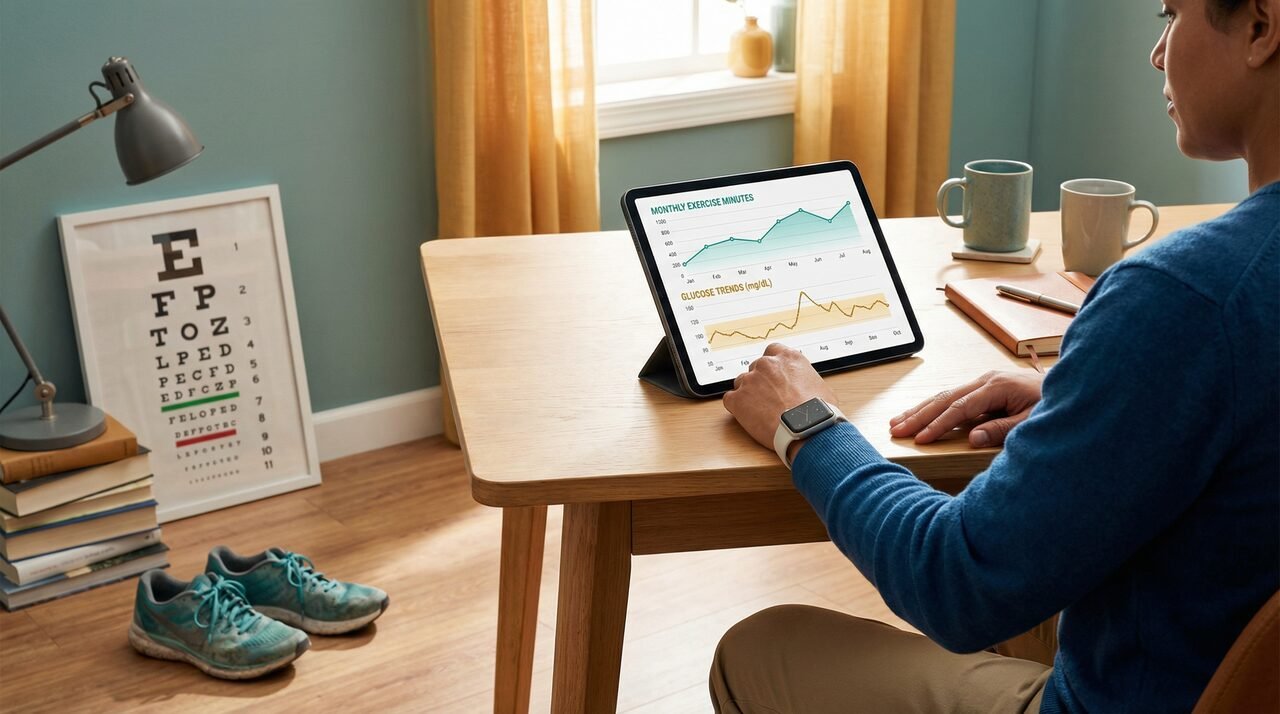
May Fitness and Vision Check: Essential Steps for Diabetes Management

See also: Diabetes Complications: Heart, Kidney, Eye, and Foot Health — our complete pillar guide.

Managing diabetes is a complex journey that involves careful attention to many facets of health. Among these, maintaining physical fitness and regularly monitoring vision are especially important. Staying active and protecting eye health play vital roles in preventing complications and enhancing the quality of life for those living with diabetes. This guide offers a clear, evidence-based overview of current recommendations for exercise and eye examinations, grounded in authoritative clinical guidelines and recent research.

The Crucial Role of Physical Activity in Diabetes Care

Exercise is foundational in managing diabetes, delivering benefits that go well beyond controlling blood sugar levels. Engaging in regular physical activity improves how the body uses insulin, lowers cardiovascular risk, helps regulate weight, and supports mental well-being [1]. For people with type 2 diabetes, consistent exercise can markedly improve glucose control and may even delay or prevent the disease’s onset [2]. Those with type 1 diabetes also benefit from increased cardiovascular fitness and overall health, though they must carefully monitor blood sugar levels during physical activity [3].

Recommended Exercise Guidelines

Health authorities such as the American Diabetes Association (ADA) and the Centers for Disease Control and Prevention (CDC) advise adults with diabetes to aim for at least 150 minutes of moderate-intensity aerobic exercise weekly. This activity should be spread out over at least three days, without more than two consecutive days off [1, 4]. In addition, resistance or strength training exercises are recommended two to three times per week on non-consecutive days [5].

  • Moderate-intensity aerobic activities include brisk walking, swimming, cycling, or dancing — exercises during which you can talk but not sing.
  • Resistance training encompasses muscle-strengthening activities such as weightlifting, resistance bands, or bodyweight exercises like push-ups or squats.

Important Considerations Before and During Exercise

Before starting any new exercise program, it’s essential for individuals with diabetes to consult their healthcare provider. This ensures the chosen activities suit their overall health and any existing diabetes-related complications, such as neuropathy or retinopathy, are taken into account [6].

  • Monitoring blood glucose: Those using insulin or medications that can cause low blood sugar need to check their glucose levels before, during, and after exercise. Medication doses or carbohydrate intake may require adjustment to avoid hypoglycemia [7].
  • Hydration: Staying well-hydrated before, during, and after physical activity is critical.
  • Foot care: Daily inspection of the feet helps prevent and identify injuries early, especially important for people with diabetic neuropathy.

Protecting Your Vision Through Regular Eye Exams

Diabetes is a leading cause of vision loss worldwide, primarily due to diabetic retinopathy — a condition where the tiny blood vessels in the retina become damaged [8]. Early detection and timely intervention are key to preventing or slowing vision loss. That makes comprehensive, dilated eye exams an essential part of diabetes management.

Eye Screening Recommendations

The ADA and the American Academy of Ophthalmology (AAO) have established clear guidelines for eye exams in people with diabetes [9, 10]:

  • Type 1 diabetes: The first comprehensive dilated eye exam should take place within five years after diagnosis [11].
  • Type 2 diabetes: Because many individuals may already have retinal changes at diagnosis, the initial dilated eye exam should occur promptly after diagnosis [12].
  • All individuals with diabetes: Annual comprehensive dilated eye exams are recommended regardless of diabetes type or presence of symptoms. More frequent screenings may be necessary depending on the severity of retinopathy or other eye conditions [9, 10].

Understanding Diabetic Retinopathy

In its early stages, diabetic retinopathy often causes no noticeable symptoms. When symptoms do appear, they might include blurred or fluctuating vision, floaters, or dark spots in the visual field. If left untreated, this condition can progress to severe vision impairment or blindness [8].

  • Prevention: Maintaining tight control over blood glucose, blood pressure, and cholesterol can significantly lower the risk of developing or worsening retinopathy [13].
  • Treatment: Depending on the stage and specifics of the condition, treatments may include laser photocoagulation, injections of anti-VEGF medications, or surgical procedures like vitrectomy [14].

نتیجہ اخذ کرنا

Successfully managing diabetes means embracing a holistic approach that combines regular physical activity with consistent, thorough eye care. Following established guidelines for exercise and vision checks empowers individuals to reduce their risk of complications, preserve eyesight, and enjoy a better quality of life. Close collaboration with healthcare professionals—including endocrinologists, ophthalmologists, and exercise specialists—is vital to create personalized, effective care plans tailored to each individual’s needs.

ℹ️ Understanding Your Numbers

Regularly monitoring your blood glucose, blood pressure, and cholesterol levels is crucial for effective diabetes management and preventing complications. Discuss target ranges with your healthcare provider.

✅ Proactive Eye Care Tip

Don’t wait for symptoms to appear. Annual comprehensive dilated eye exams are vital for early detection of diabetic retinopathy, even if your vision feels fine.

✅ Key Takeaway

Integrating consistent physical activity with regular, comprehensive eye examinations is fundamental for individuals with diabetes. This proactive approach helps prevent complications, preserves vision, and significantly enhances overall well-being. Always collaborate closely with your healthcare team to tailor these guidelines to your personal health needs.

References


Related articles

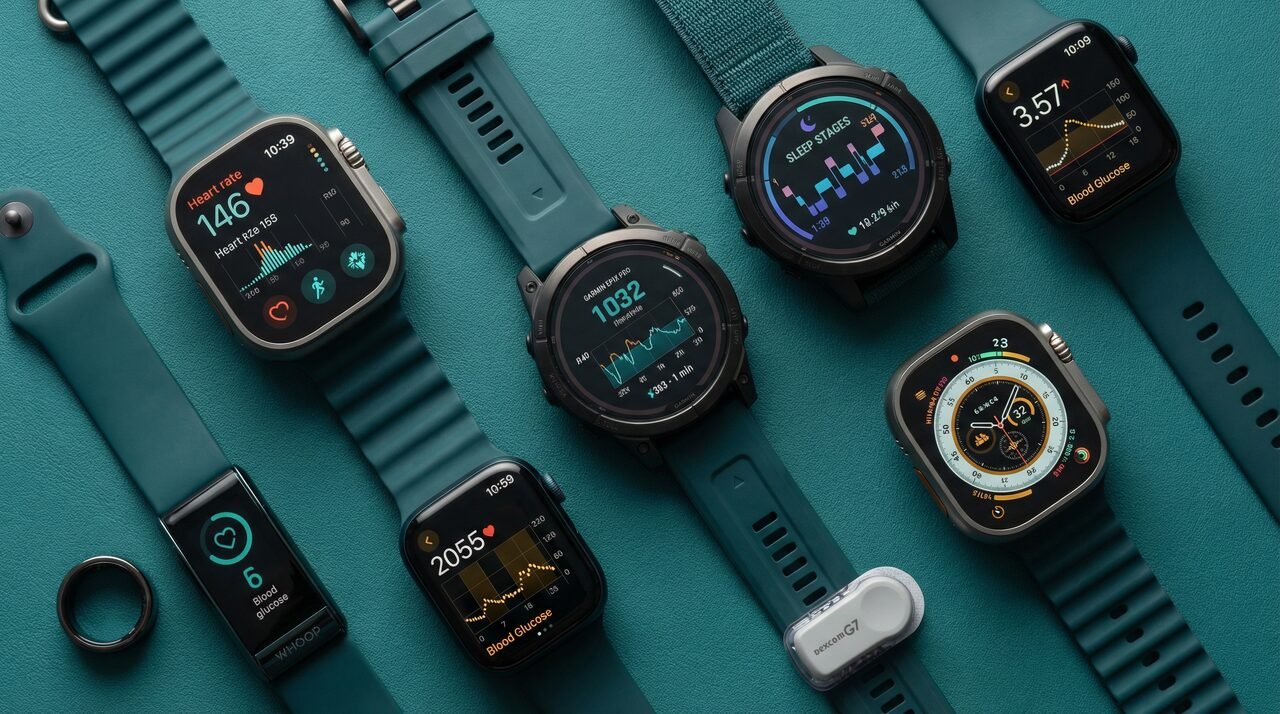
Fitness Trackers and Diabetes: 2026 Best Picks for Enhanced Management

The landscape of diabetes management is continually evolving, with technological advancements playing an increasingly pivotal role. Among these innovations, fitness trackers have emerged as powerful tools, offering individuals with diabetes unprecedented opportunities to monitor their health, optimize physical activity, and ultimately improve glycemic control. This article delves into the critical role of fitness trackers in contemporary diabetes care, highlighting key features to consider in 2026, presenting a curated selection of the best devices, and integrating insights from current clinical guidelines and peer-reviewed research to provide a comprehensive guide for patients and healthcare professionals alike.

Introduction

In an era defined by rapid technological progress, the integration of wearable devices into daily health management has become commonplace. For individuals living with diabetes, these devices, ranging from sophisticated smartwatches to advanced continuous glucose monitors (CGMs), offer more than just convenience; they provide actionable data that can significantly impact disease progression and quality of life. This article aims to explore the multifaceted benefits of fitness trackers in diabetes management, examining their evolution, essential functionalities, and the top selections for 2026, all underpinned by robust scientific evidence and clinical recommendations.

The Role of Fitness Trackers in Diabetes Management

Fitness trackers, broadly defined as wearable devices that monitor various health-related metrics, have demonstrated considerable utility in supporting diabetes management. Their primary contribution lies in their ability to track physical activity, a cornerstone of diabetes care. Regular physical activity is crucial for improving insulin sensitivity, reducing blood glucose levels, and managing weight, all of which are vital for individuals with both type 1 and type 2 diabetes [1]. By providing real-time feedback on steps taken, distance covered, calories burned, and active minutes, fitness trackers empower users to meet recommended activity guidelines and maintain consistent exercise routines.

Beyond activity tracking, many modern fitness trackers offer advanced physiological monitoring capabilities. Heart rate monitoring, for instance, allows users to optimize their exercise intensity and track cardiovascular health, an important consideration given the elevated risk of cardiovascular complications in diabetes [2]. Sleep tracking, another common feature, helps individuals understand their sleep patterns, as poor sleep quality can adversely affect glucose metabolism and insulin resistance [3]. The data collected by these devices can be integrated with smartphone applications, providing users with comprehensive dashboards that visualize their health trends over time. This data can then be shared with healthcare providers, facilitating more informed clinical decisions and personalized care plans.

Furthermore, the motivational aspect of fitness trackers cannot be overstated. Features such as goal setting, progress tracking, and celebratory notifications can encourage adherence to healthy lifestyle behaviors. Some devices incorporate gamification elements or social sharing options, fostering a sense of community and accountability among users. The ability to see tangible results of their efforts can be a powerful motivator for individuals striving to manage their diabetes effectively.

Key Features to Look for in 2026

When selecting a fitness tracker for diabetes management in 2026, several key features should be prioritized to ensure optimal utility and effectiveness. These features extend beyond basic step counting to encompass more sophisticated physiological monitoring and data integration capabilities.

  • Accurate Activity Tracking: Precision in tracking steps, distance, and calories burned remains fundamental. Advanced accelerometers and GPS capabilities ensure reliable data for exercise planning and adherence. Look for devices that offer diverse activity modes to accurately capture various forms of exercise, from walking to more intense workouts.
  • Heart Rate Monitoring: Continuous and accurate heart rate monitoring is crucial for assessing cardiovascular health and optimizing exercise intensity. Devices with optical heart rate sensors provide convenient, real-time data, allowing users to stay within target heart rate zones for effective and safe workouts.
  • Sleep Tracking and Analysis: Given the significant impact of sleep on glucose regulation, comprehensive sleep tracking features are highly valuable. This includes monitoring sleep stages (light, deep, REM), duration, and disturbances. Advanced devices may also offer insights into sleep quality and personalized recommendations for improvement.
  • Stress Management and Recovery Metrics: Features that monitor stress levels (e.g., through heart rate variability) and provide recovery insights can help individuals manage the physiological impact of stress on blood glucose. Some trackers offer guided breathing exercises or mindfulness prompts to aid in stress reduction.
  • Seamless Data Integration and User-Friendly Apps: The ability to seamlessly sync data with a user-friendly smartphone application is paramount. These apps should provide clear, actionable insights, trend analysis, and customizable dashboards. Compatibility with other health platforms or electronic health records (EHRs) can further enhance data utility for both patients and healthcare providers.
  • Long Battery Life: To ensure continuous monitoring without frequent interruptions, a long battery life is a practical necessity. Devices that can last for several days or even weeks on a single charge are preferable.
  • Water Resistance: For individuals who engage in water-based activities or simply desire a device that can withstand daily wear, water resistance is an important consideration.
  • Integration with Continuous Glucose Monitors (CGMs): For individuals using CGMs, seamless integration between their fitness tracker and CGM system represents a significant advantage. This allows for a holistic view of physical activity, diet, and glucose levels, enabling more precise adjustments to lifestyle and medication. While not all fitness trackers offer direct CGM integration, some smartwatches and dedicated health platforms are increasingly bridging this gap.

Top Fitness Tracker Picks for Individuals with Diabetes in 2026

General Fitness Trackers

For general fitness tracking, several devices stand out in 2026 for their accuracy, comprehensive features, and user-friendly interfaces, making them excellent choices for individuals with diabetes:

  • Amazfit Balance: This smartwatch is lauded for its exceptional value, offering accurate tracking of heart rate, body composition, and sleep at an affordable price point. Its long battery life (up to 14 days) ensures consistent data collection, and its lightweight design makes it comfortable for daily wear. While some advanced features are subscription-based, its core functionalities are robust for general health monitoring [4].
  • Garmin Fenix 8 Multisport Smartwatch: Positioned as a premium option, the Garmin Fenix 8 excels in comprehensive sport tracking and outdoor navigation. Its advanced metrics for various activities, coupled with robust data integration through the Garmin Connect app, provide detailed insights into physical performance and recovery. While its bulkier design might be less ideal for sleep tracking, Garmin offers an Index Sleep Monitor armband for dedicated overnight data collection [5]. The Fenix 8’s ability to track diverse activities and provide in-depth physiological data makes it a strong contender for active individuals with diabetes.
  • Fitbit Charge 6: Fitbit devices have long been popular for their user-friendly approach to health tracking. The Charge 6 offers essential features like activity tracking, heart rate monitoring, and sleep analysis in a more compact form factor. Its integration with the Fitbit app provides a supportive ecosystem for goal setting and progress monitoring, which can be particularly motivating for individuals managing diabetes [6].

These general fitness trackers provide valuable data on physical activity, sleep, and heart health, empowering individuals with diabetes to make informed lifestyle choices. However, for direct glucose monitoring, specialized devices are necessary.

Continuous Glucose Monitors (CGMs) and Integrated Solutions

For individuals with diabetes, Continuous Glucose Monitors (CGMs) are arguably the most impactful wearable technology, providing real-time blood sugar data that is critical for effective management. In 2026, the market offers increasingly accurate, user-friendly, and integrated CGM solutions:

  • Dexcom G7: Widely recognized for its accuracy and ease of use, the Dexcom G7 offers a 15.5-day wear time and a rapid 30-minute warm-up period. Its compact size and seamless integration with smartphone apps and smartwatches make it a preferred choice for many. The G7 also boasts a low Mean Absolute Relative Difference (MARD) score, indicating high accuracy in glucose readings [7]. Integration with various automated insulin delivery (AID) systems is expanding, further enhancing its utility for comprehensive diabetes management.
  • Abbott FreeStyle Libre 3 Plus: This device stands out as the world’s smallest and thinnest CGM, offering continuous real-time glucose monitoring for 15 days without a warm-up period. Its discreet design and extended Bluetooth range contribute to its user-friendliness. The Libre 3 Plus also demonstrates high accuracy, comparable to the Dexcom G7, and is compatible with several AID systems, making it a strong contender for those prioritizing discretion and affordability [8].
  • Eversense 365: Representing a significant advancement in CGM technology, the Eversense 365 is the first long-term implantable CGM, providing glucose monitoring for a full year. This eliminates the need for frequent sensor changes, offering unparalleled convenience for users. While requiring a minor surgical procedure for insertion and removal, its extended wear time and consistent data provision make it a unique and valuable option for long-term diabetes management [9].

Beyond these dedicated CGM devices, the trend in 2026 is towards greater integration. Some fitness trackers and smartwatches are beginning to offer more sophisticated data sharing capabilities with CGM systems, allowing users to view their glucose trends alongside activity, heart rate, and sleep data on a single platform. This holistic approach empowers individuals to understand the complex interplay between their lifestyle choices and blood glucose levels, leading to more proactive and personalized diabetes care.

Clinical Guidelines and Evidence-Based Recommendations

The integration of fitness trackers and CGMs into diabetes management is increasingly supported by clinical guidelines and a growing body of evidence. The American Diabetes Association (ADA) Standards of Care, particularly the 2026 edition, emphasize the importance of technology in optimizing diabetes outcomes. These guidelines recommend the use of CGMs at diabetes onset and at any point thereafter to improve outcomes, and have also moved to remove the insulin use tied to CGM use, expanding access to a broader population [10]. This shift underscores the recognition of CGM technology as a fundamental tool for effective glucose management, regardless of insulin regimen.

Research consistently demonstrates the positive impact of wearable technology on various aspects of diabetes care. Studies have shown that physical activity interventions incorporating activity trackers can significantly reduce blood glucose levels in adults with type 2 diabetes [11]. The real-time data provided by CGMs, when coupled with appropriate education and support, empowers individuals to make timely adjustments to their food intake, physical activity, and pharmacologic therapy, leading to improved time in range (TIR) and reduced hypoglycemic events [12].

ℹ️ ADA 2026 Recommendations on CGM Use

The 2026 American Diabetes Association (ADA) Standards of Care recommend Continuous Glucose Monitor (CGM) use at diabetes onset and at any point thereafter to improve outcomes. Notably, the guidelines have removed the previous requirement linking CGM use to insulin therapy, significantly broadening access for individuals managing diabetes with oral medications or lifestyle interventions alone.

Furthermore, the role of artificial intelligence (AI) in conjunction with wearable technology is gaining prominence. Predictive AI modeling, utilizing data from CGMs, electronic health records, and activity trackers, can assist in early identification of type 1 diabetes and provide personalized insights for managing blood glucose fluctuations [13]. This data-driven approach allows for more proactive and individualized treatment plans, aligning with the principles of precision medicine in diabetes care.

✅ Tip: Maximize Your Tracker’s Potential

To get the most out of your fitness tracker or CGM, ensure you regularly review your data, understand the trends, and discuss them with your healthcare team. This collaborative approach can help fine-tune your diabetes management plan, leading to better health outcomes and a more empowered approach to living with diabetes.

Challenges and Future Outlook

Despite the significant advancements and benefits offered by fitness trackers and CGMs in diabetes management, several challenges persist. Accessibility and affordability remain major barriers for many individuals, as the cost of these devices and their associated subscriptions can be prohibitive. While insurance coverage for CGMs is expanding, it is not universal, and many general fitness trackers are out-of-pocket expenses. Data overload and interpretation also pose a challenge; while these devices generate a wealth of data, users and even some healthcare providers may struggle to effectively interpret and utilize this information to make actionable decisions. Furthermore, data privacy and security concerns are increasingly relevant, as sensitive health information is collected and stored by these devices and their accompanying platforms.

The future of fitness trackers and diabetes management is poised for continued innovation. We can anticipate further integration of AI and machine learning to provide more personalized insights, predictive analytics for glucose fluctuations, and automated recommendations for lifestyle adjustments. Miniaturization of sensors, enhanced accuracy, and longer wear times for CGMs are also expected. The development of multi-sensor devices that can simultaneously monitor glucose, ketones, and other physiological markers will offer an even more comprehensive picture of metabolic health. Moreover, efforts to improve interoperability between different devices and healthcare systems will streamline data sharing and facilitate a more holistic approach to diabetes care. The ultimate goal is to create a seamless, intuitive, and affordable ecosystem of wearable technology that empowers every individual with diabetes to achieve optimal health outcomes.

نتیجہ اخذ کرنا

Fitness trackers and continuous glucose monitors have revolutionized diabetes management, offering powerful tools for individuals to take a more active and informed role in their health. From basic activity tracking to sophisticated real-time glucose monitoring, these devices provide invaluable data that, when properly utilized, can lead to improved glycemic control, enhanced physical activity, and better overall well-being. While challenges related to accessibility, affordability, and data interpretation persist, the rapid pace of technological innovation, particularly in AI integration and multi-sensor development, promises an even more personalized and effective future for diabetes care. By embracing these advancements and working collaboratively with healthcare providers, individuals with diabetes can leverage the power of wearable technology to navigate their health journey with greater confidence and achieve optimal outcomes in 2026 and beyond.

References

✅ Key Takeaway

Fitness trackers and continuous glucose monitors are transforming diabetes management by providing real-time data and fostering proactive health behaviors. While challenges like accessibility and data interpretation exist, ongoing innovations in AI integration and multi-sensor technology promise a future of even more personalized and effective diabetes care. Embracing these tools, in collaboration with healthcare providers, empowers individuals to achieve optimal health outcomes.


Related articles

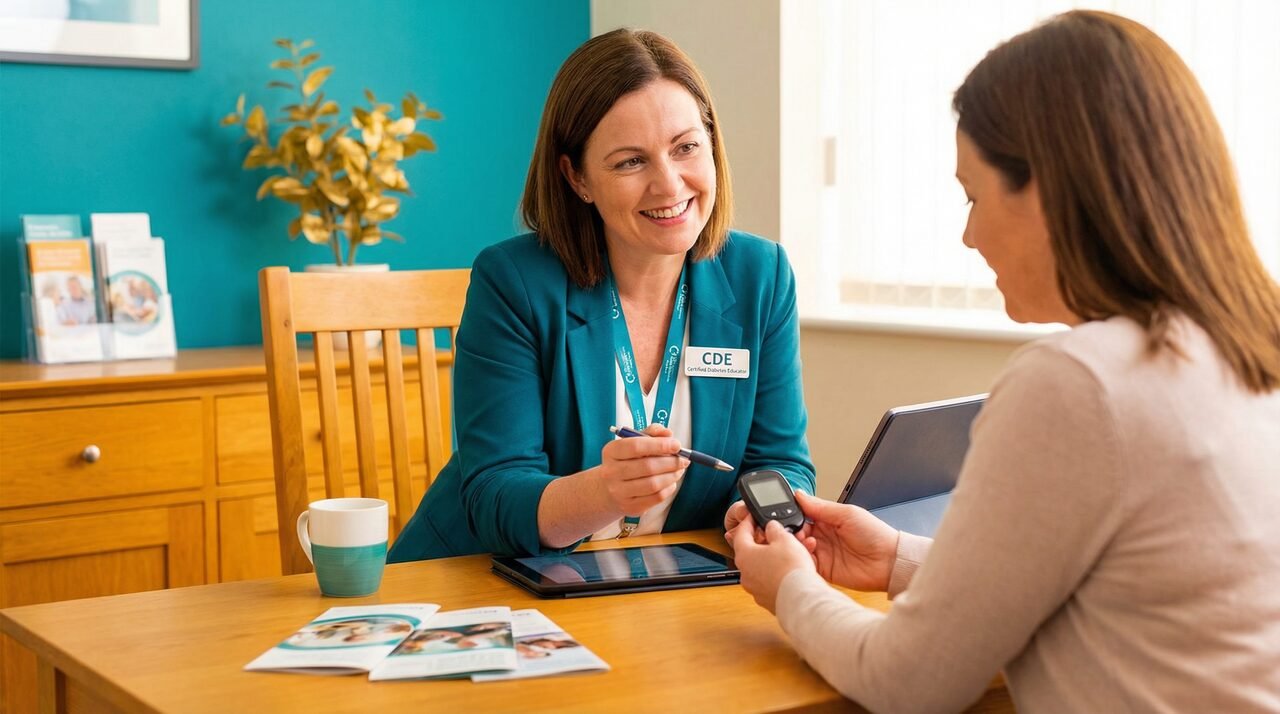
Diabetes Educators: Indispensable Allies in Comprehensive Diabetes Management

The escalating global prevalence of diabetes and its associated economic burden necessitate innovative and effective healthcare strategies. Within this evolving landscape, Diabetes Care and Education Specialists (DCESs), formerly known as diabetes educators, emerge as indispensable allies in the comprehensive management of diabetes. These highly skilled professionals play a pivotal role in enhancing patient outcomes, fostering self-management, and mitigating the substantial human and financial costs associated with the disease [1]. This article delineates the multifaceted contributions of DCESs, examining their core responsibilities, specialized competencies, and profound impact on patient care and healthcare systems.

The Evolving Role of Diabetes Care and Education Specialists

At the heart of the DCES’s role is the provision of Diabetes Self-Management Education and Support (DSMES). DSMES is a recognized, evidence-based intervention crucial for individuals living with diabetes, empowering them with the knowledge, skills, and confidence to manage their condition effectively [1, 2]. DCESs, representing diverse healthcare disciplines such as nursing, dietetics, pharmacy, and exercise physiology, are uniquely equipped to deliver person-centered care that addresses the clinical, educational, psychosocial, and behavioral dimensions of diabetes [1]. Their expertise extends beyond mere information dissemination; they guide individuals in adopting self-management strategies, making informed lifestyle choices, and navigating the complexities of their treatment regimens. This holistic approach is instrumental in preventing or delaying diabetes-related complications, including cardiovascular disease, kidney disease, neuropathy, and retinopathy [2].

ℹ️ Understanding DSMES

Diabetes Self-Management Education and Support (DSMES) is an evidence-based process that equips individuals with diabetes with the essential knowledge, skills, and confidence to effectively manage their condition and improve health outcomes.

Credentials and Core Competencies

To ensure a high standard of practice, DCESs adhere to rigorous competency frameworks and professional certifications. The Certification Board for Diabetes Care and Education (CBDCE) offers the Certified Diabetes Care and Education Specialist (CDCES) credential, validating expertise in diabetes care and education [1]. For those demonstrating advanced clinical practice skills and therapeutic problem-solving, the Association of Diabetes Care and Education Specialists (ADCES) administers the Board Certified–Advanced Diabetes Management (BC-ADM) credential [1]. These credentials underscore the specialized knowledge required to navigate the intricacies of diabetes management. The core competencies of DCESs span six critical domains: clinical management practice and integration, communication and advocacy, person-centered care and counseling across the lifespan, research and quality improvement, systems-based practice, and professional practice [1]. These competencies enable DCESs to provide integrated care, support behavioral health, and promote equitable, quality-driven outcomes across various healthcare settings, including primary care, specialty clinics, hospitals, and community programs [1].

The Value Proposition: Improved Outcomes and Cost-Effectiveness

The value proposition of DCESs within healthcare systems is substantial, translating into improved quality outcomes and reduced healthcare expenditures. Research consistently demonstrates that individuals who receive DSMES are more likely to adhere to recommended preventive care practices, including regular blood sugar monitoring, foot checks, physical activity, and timely clinical screenings such as A1C tests and eye exams [3]. Furthermore, DCESs play a vital role in mitigating therapeutic inertia, a significant barrier to optimal diabetes management, by actively engaging patients in their care and facilitating timely adjustments to treatment plans [1]. The economic impact of diabetes is staggering, with costs projected to continue rising [1]. By empowering individuals with effective self-management strategies, DCESs contribute to a reduction in hospitalizations, emergency room visits, and the overall burden of diabetes-related complications, thereby offering a cost-effective solution to a growing public health challenge [1].

✅ Tip: Maximizing DCES Benefits

Engaging with a DCES can significantly improve adherence to preventive care practices and reduce the risk of diabetes-related complications, leading to better long-term health and reduced healthcare costs.

Addressing Barriers to Access

Despite the clear benefits, significant barriers impede equitable access to diabetes education. These include inadequate training of healthcare professionals, limited access in rural and underserved areas, and socioeconomic disparities, particularly among uninsured populations and certain ethnic groups [2, 3]. Addressing these disparities requires innovative solutions, such as leveraging technology and telemedicine to deliver diabetes education remotely, adapting educational materials to be culturally and linguistically appropriate, and increasing awareness among both healthcare providers and the public about the profound benefits of DSMES [2, 3].

✅ Key Takeaway

Diabetes Care and Education Specialists are vital members of the healthcare team, providing essential education and support that empowers individuals with diabetes, improves health outcomes, and contributes to a more cost-effective healthcare system. Integrating their expertise more broadly is crucial for optimal diabetes care.

References:

[1] Rodriguez, K., Ryan, D., Dickinson, J. K., & Phan, V. (2022). Improving Quality Outcomes: The Value of Diabetes Care and Education Specialists. Clinical Diabetes, 40(3), 356–365. https://pmc.ncbi.nlm.nih.gov/articles/PMC9331628/

[2] The essential role of the diabetes educator. (2024, February 6). Diabetes Voice. https://diabetesvoice.org/en/caring-for-diabetes/diabetes-educators-and-diabetes-education/

[3] Diabetes Education Linked to Better Care. (2024, May 15). Centers for Disease Control and Prevention. https://www.cdc.gov/diabetes/data-research/research/diabetes-education.html

The Indispensable Annual Eye Exam for Individuals with Diabetes

For anyone managing diabetes, the annual comprehensive eye exam is far more than a routine check-up; it stands as a cornerstone of proactive health management. The systemic nature of diabetes means it can profoundly affect your eyes, leading to complications that, if left unchecked, could culminate in severe vision loss or even blindness. This article will walk you through what to expect during your yearly exam, underscore its critical importance for individuals with diabetes, and offer practical advice on how to prepare for this essential appointment to safeguard your vision.

The Unseen Threat: Why Annual Eye Exams Are Non-Negotiable

Diabetes is a disease that wages a quiet war on the body, and the eyes are a primary battleground. Persistently high blood glucose levels can wreak havoc on the delicate blood vessels of the retina, a condition known as diabetic retinopathy. As the leading cause of vision loss among people with diabetes and a primary driver of blindness in working-age adults, its stealthy onset—often with no early symptoms—makes regular screening an absolute necessity for early intervention.

ℹ️ Beyond Retinopathy: Other Diabetic Eye Conditions

Beyond retinopathy, diabetes significantly increases the risk for other serious eye conditions. Diabetic Macular Edema (DME) involves fluid leaking into the macula, causing blurred central vision. The risk of developing glaucoma, which damages the optic nerve, is twice as high for individuals with diabetes. Furthermore, cataracts tend to develop earlier and progress more rapidly in this population.

The good news is that early detection through annual dilated eye exams can empower you and your healthcare team to take decisive action. Prompt treatment can halt or significantly slow the progression of these conditions, preserving your precious sense of sight. The American Diabetes Association (ADA) has established clear screening guidelines to help mitigate these risks, emphasizing the importance of this yearly ritual.

A Step-by-Step Guide to Your Comprehensive Eye Exam

A thorough eye exam is a multi-faceted process, with each step designed to provide a complete picture of your ocular health. While the specific order may differ slightly, the fundamental components are universal.

1. Medical History and Vision Assessment: The appointment will commence with a detailed conversation about your medical history. Be prepared to discuss your diabetes diagnosis, its duration, your management regimen, and any other health conditions. Your eye care specialist will also ask about your family’s history of eye diseases and any visual symptoms you’ve been experiencing.

2. Visual Acuity Test: This is the familiar part of the exam where you read letters from a Snellen chart to measure the sharpness of your vision at various distances.

3. Pupil Dilation: This is a critical step. Special eye drops are used to widen your pupils, granting the doctor an unobstructed view of your retina, optic nerve, and other internal structures. The dilating effects can last for a few hours, so be prepared for light sensitivity and blurry near vision.

✅ Pro Tip: Plan Ahead for Dilation

Since your vision will be blurry and sensitive to light after dilation, it is essential to arrange for someone to drive you home from your appointment. Don’t try to tough it out; your safety is paramount.

4. Slit-Lamp Examination: Using a high-powered biomicroscope, your doctor will examine the front and back of your eye in three dimensions. This detailed inspection helps in detecting cataracts, corneal issues, and other abnormalities.

5. Ophthalmoscopy (Dilated Fundus Examination): Considered the gold standard for detecting diabetic retinopathy, this test involves a careful examination of your retina, optic nerve, and blood vessels. The doctor will be looking for tell-tale signs of damage, such as bleeding, fluid leakage, or the growth of new, abnormal blood vessels.

6. Tonometry (Glaucoma Test): This test measures the pressure inside your eye (intraocular pressure or IOP). Elevated IOP is a key risk factor for glaucoma. This can be done with a gentle puff of air or a small probe that briefly touches the eye’s surface after numbing drops are applied.

Screening Frequency: What the Guidelines Say

The ADA provides clear, evidence-based recommendations for eye exam frequency, tailored to your specific situation:

  • Type 1 Diabetes: An initial dilated exam is recommended within five years of diagnosis, followed by annual exams thereafter.
  • Type 2 Diabetes: An initial exam should be performed at the time of diagnosis, with annual follow-ups. This is because many people have had Type 2 diabetes for some time before it is formally diagnosed.

If you have no signs of retinopathy after one or more annual exams and your blood sugar is well-managed, your eye doctor might suggest extending the interval to every two years. However, this decision must be made in close consultation with your specialist.

✅ Key Takeaway

Your annual dilated eye exam is the single most important step you can take to prevent serious, vision-stealing complications from diabetes. Consistent screening, coupled with diligent management of your blood glucose, blood pressure, and cholesterol, forms a powerful defense against diabetic eye disease. Take control of your eye health by scheduling your exam today and making it an unmissable part of your yearly health routine.


Related articles

Getting Started with Exercise and Diabetes: A Comprehensive Guide for Optimal Health

For anyone living with diabetes—whether type 1 or type 2—regular physical activity is one of the most powerful tools in your management toolkit. The benefits of exercise extend far beyond just helping to balance blood sugar. It’s a holistic strategy that supports heart health, aids in weight management, builds strength, and boosts mental well-being. This guide breaks down the current recommendations and practical steps to start and sustain an exercise routine safely and effectively.

### Why Exercise Matters: More Than Just Blood Sugar The positive effects of physical activity on diabetes are both deep and wide-ranging. For those with type 2 diabetes, exercise is a key driver in improving insulin sensitivity—meaning your body’s cells use glucose more efficiently, which can lower blood glucose levels [1, 2]. Importantly, these benefits occur even without significant weight loss, underscoring the direct metabolic advantage of moving your body [3].

Cardiovascular health sees major gains, too. Regular activity helps lower blood pressure, improve cholesterol profiles (by lowering “bad” LDL and triglycerides while raising “good” HDL), and reduce overall cardiovascular risk—a critical consideration, as heart disease remains a leading complication of diabetes [4].

ℹ️ Know Your Numbers

Before starting, know your blood glucose levels. Testing before, during, and after exercise helps you understand how your body responds and prevents potentially dangerous high or low blood sugar events.

On a practical level, exercise supports healthy weight management, strengthens muscles and bones, improves balance, and is a proven mood booster, helping to manage symptoms of depression and anxiety [4].

### What the Experts Recommend: Guidelines in Plain Terms Major health organizations, including the American Diabetes Association (ADA) and the World Health Organization (WHO), are aligned in their advice: regular exercise is non-negotiable for diabetes care [5, 6].

Their core target for most adults is: * At least 150 minutes per week of moderate-intensity aerobic activity, or * 75 minutes per week of vigorous-intensity aerobic activity, or a similar mix of both [5, 7].

✅ Start Slow, Build Steady

If you’re new to exercise, begin with just 5-10 minutes of walking each day. The key is consistency. Gradually increase the duration and intensity as you feel stronger. This approach builds a sustainable habit without causing burnout or injury.

What does “moderate” vs. “vigorous” feel like? * Moderate-intensity: You can talk, but not sing. Think brisk walking, water aerobics, cycling on flat ground, or dancing. * Vigorous-intensity: You can only say a few words before needing to breathe. Examples include running, hiking uphill, or fast cycling.

Don’t forget strength training. Resistance exercise—using weights, resistance bands, or your own body weight—is strongly recommended at least 2–3 times per week on non-consecutive days [1]. Building muscle mass not only aids glucose uptake but also supports overall strength and functional health.

### Your First Steps: Starting Safely and Smartly 1. Talk to Your Healthcare Team First. This is the most important step, especially if you have any diabetes-related complications like neuropathy (nerve damage), retinopathy (eye disease), or heart conditions. A medical check-up can identify any risks and help your provider tailor a safe, personalized plan for you [8].

2. Start Small and Build Gradually. If you’re new to exercise or have been inactive, don’t aim for perfection right away. Begin with short, manageable bouts of activity—even 5–10 minutes of walking daily is a fantastic start [9]. Consistency is more important than intensity at the beginning. Slowly increase your duration and pace as your fitness improves.

3. Check Your Blood Glucose Strategically. If you use insulin or certain medications (like sulfonylureas or glinides) that can cause low blood sugar (hypoglycemia), monitoring is essential. * Check your level 15–30 minutes before you start and every 30–60 minutes during longer sessions [10]. * If below 100 mg/dL: Have a small snack with 15–30 grams of carbohydrates (e.g., a piece of fruit, a few crackers) before you begin. * If very high: For type 1 diabetes, avoid exercise if blood glucose is above 250 mg/dL and ketones are present. For type 2 diabetes, consider postponing if levels are above 300 mg/dL, especially with ketones [10].

4. Hydrate and Protect Your Feet. * Hydration: Drink water before, during, and after exercise. For intense or prolonged activity (over an hour), consider a beverage with electrolytes. * Foot Care: Always wear well-fitting, supportive shoes. Inspect your feet daily for blisters, cuts, or redness—diabetic neuropathy can reduce sensation, making injuries easy to miss. Address any issues with your doctor promptly.

### Making It Stick: Personalize Your Plan The best exercise routine is the one you enjoy and can see yourself doing long-term. Consider what fits your life: * Do you prefer structured gym sessions, group classes, or solitary walks? * Could you combine activity with social time, like walking with a friend? * Can you break up sedentary time? Standing up and moving for 5 minutes every half-hour can positively impact glucose control [11].

### Wrapping Up: Your Journey to a More Active Life Embracing regular exercise is one of the most empowering steps you can take for your diabetes and overall health. The benefits—from better blood sugar and heart health to improved mood and stamina—are profoundly worth the effort. By following evidence-based guidelines, prioritizing safety through medical consultation and glucose monitoring, and choosing activities you genuinely enjoy, you can build a sustainable, rewarding exercise habit. Remember: every step counts, and starting is the most important move of all.

✅ Key Takeaway

Embracing regular exercise is one of the most empowering steps you can take for your diabetes and overall health. The benefits—from better blood sugar and heart health to improved mood and stamina—are profoundly worth the effort. By following evidence-based guidelines, prioritizing safety through medical consultation and glucose monitoring, and choosing activities you genuinely enjoy, you can build a sustainable, rewarding exercise habit. Remember: every step counts, and starting is the most important move of all.

References

[1] Colberg, S. R., et al. (2016). Physical Activity/Exercise and Diabetes: A Position Statement of the American Diabetes Association. Diabetes Care, 39(11), 2065-2079.

[2] Kanaley, J. A., et al. (2022). Exercise/Physical Activity in Individuals with Type 2 Diabetes. Endocrinology and Metabolism Clinics of North America, 51(1), 139-152.

[3] Lewis, C., et al. (2025). Tailoring Exercise Prescription for Effective Diabetes Glucose Management. Journal of Clinical Endocrinology & Metabolism, 110(Supplement_2), S118-S127.

[4] Harvard Health Publishing. (2023). The importance of exercise when you have diabetes.

[5] American Diabetes Association. (n.d.). Weekly Exercise Targets.

[6] CDC. (2024). Get Active | Diabetes.

[7] American Heart Association. (2024). AHA Physical Activity Recommendations.

[8] Armstrong, M., et al. (2023). Where to start? Physical assessment, readiness, and exercise recommendations for people with type 1 or type 2 diabetes. Diabetes Spectrum, 36(2), 105-114.

[9] UF Health. (2025). Diabetes and Exercise.

[10] Mayo Clinic. (2024). Diabetes and exercise: When to monitor your blood sugar.

[11] Harrington, D., & Henson, J. (2021). Physical activity and exercise in the management of type 2 diabetes: where to start? Practical Diabetes, 38(4), 139-143.


Related articles