Best Diabetes Apps of 2025: Tools for Better Management

Best Diabetes Apps of 2025: Tools for Better Management

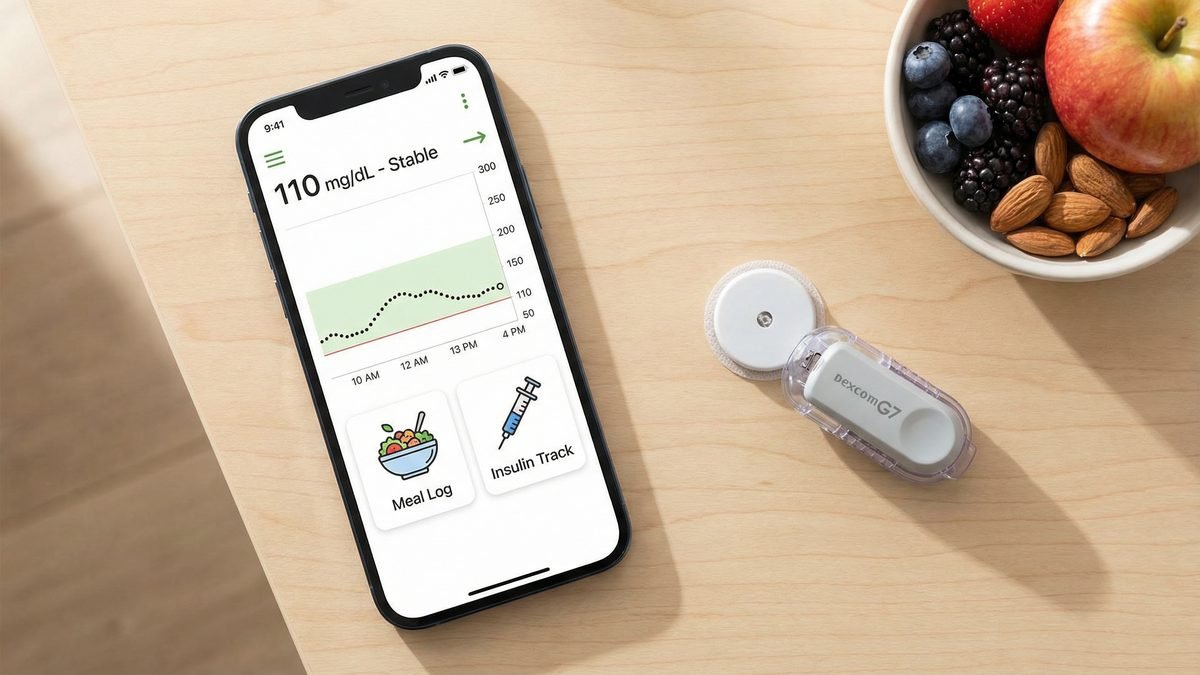
Living with diabetes in 2025 has become significantly more manageable thanks to innovative digital tools that fit in your pocket. Today’s diabetes apps offer unprecedented features—from AI-powered glucose prediction to personalized nutrition coaching and seamless device integration. This comprehensive guide explores the most effective diabetes management apps of 2025, helping you find the right digital companion for your health journey.

The landscape of diabetes management has transformed dramatically in recent years. What once required manual logs, frequent doctor visits, and guesswork has evolved into sophisticated digital ecosystems that provide real-time insights and personalized guidance. The best diabetes apps of 2025 combine cutting-edge technology with user-friendly interfaces to make daily management simpler and more effective.

Why Diabetes Apps Matter in 2025

Modern diabetes apps have become essential tools rather than optional conveniences. With features that go far beyond basic glucose logging, these applications now serve as comprehensive health platforms that can significantly improve outcomes for people with both Type 1 and Type 2 diabetes.

The latest generation of apps leverages artificial intelligence, machine learning, and connectivity with wearable devices to provide predictive insights, personalized recommendations, and even early warning signs of potential complications. Studies have shown that consistent use of comprehensive diabetes management apps can lead to improved HbA1c levels, fewer hypoglycemic events, and better overall quality of life.

ℹ️ Did You Know?

According to the 2025 Digital Health Impact Report, people who consistently use diabetes management apps experience an average 0.8% reduction in HbA1c levels over six months compared to non-app users. This improvement is comparable to the effect of adding certain medications to a treatment regimen.

Top All-in-One Diabetes Management Apps

1. GlucoBuddy Pro

GlucoBuddy Pro has established itself as the gold standard for comprehensive diabetes management. The 2025 version introduces groundbreaking features including predictive glucose trending that can forecast levels up to 4 hours in advance with remarkable accuracy.

What sets GlucoBuddy Pro apart is its integration capabilities—the app connects seamlessly with over 95% of CGMs, insulin pumps, and smart insulin pens on the market. Its AI-powered insights engine analyzes patterns to identify potential triggers for glucose fluctuations, while the redesigned food database now contains over 2 million items with precise nutritional information.

The community support feature has been expanded to include virtual support groups and certified diabetes educator access through in-app video consultations. Premium subscribers gain access to personalized coaching and priority telehealth appointments.

2. DiabetesSense

DiabetesSense has made significant strides in 2025 with its focus on holistic health management. The app’s standout feature is its comprehensive health integration that pulls data from sleep trackers, stress monitors, activity trackers, and nutrition apps to provide a complete picture of how lifestyle factors affect glucose levels.

The app’s “Lifestyle Impact Score” uses machine learning to quantify how specific behaviors influence your glucose management, making abstract concepts like “stress affects blood sugar” concrete and actionable. DiabetesSense also excels in medication management, with smart reminders that adapt to your schedule and verify administration through various confirmation methods.

The latest version includes an impressive “What If” simulator that allows users to visualize potential impacts of dietary choices or exercise plans before making them.

3. MetaboTrack

MetaboTrack has emerged as a frontrunner for those who want deep metabolic insights. The app specializes in identifying personal glycemic responses to specific foods and activities, essentially creating a personalized metabolic profile for each user.

Its innovative “Time in Range Optimizer” suggests micro-adjustments to daily routines that can significantly improve time in target glucose range. The app also features advanced pattern recognition that can identify subtle correlations between behaviors and outcomes that might otherwise go unnoticed.

MetaboTrack’s 2025 update introduces environmental factor tracking, which accounts for how variables like temperature, altitude, and air quality might be affecting your diabetes management—a feature particularly valuable for travelers and outdoor enthusiasts.

App Name Best For Standout Features Price
GlucoBuddy Pro All-around management Predictive glucose, device integration Free / $8.99/mo premium
DiabetesSense Holistic health approach Lifestyle Impact Score, What-If simulator $5.99/mo
MetaboTrack Data enthusiasts Personalized metabolic profile, environmental tracking $7.99/mo

Specialized Diabetes Apps

Nutrition-Focused: NutriSense Diabetes

For those who find food management the most challenging aspect of diabetes, NutriSense Diabetes offers specialized features beyond what general apps provide. The app’s AI-powered food recognition can identify meals from photos with 95% accuracy, providing instant nutritional analysis.

Its meal planning feature generates personalized recommendations based on your glucose response history, dietary preferences, and nutritional needs. The app also includes a restaurant menu interpreter that can suggest the best options at thousands of restaurants nationwide.

What truly distinguishes NutriSense is its “Food Effects Timeline” that visualizes exactly how specific meals impact your glucose over time, creating a personalized nutrition science database for your body.

✅ Practical Tip

When trying a new diabetes app, commit to using it consistently for at least three weeks. This gives the app’s AI enough time to learn your patterns and start providing truly personalized insights. Many users give up too early, before experiencing the full benefits that come once the app has gathered sufficient data about your unique responses.

Mental Health Support: MindGlucose

The psychological aspects of diabetes management have gained well-deserved attention, and MindGlucose addresses this critical dimension. This innovative app combines glucose monitoring with mental health support, recognizing the bidirectional relationship between emotional wellbeing and glucose control.

MindGlucose features mood tracking that correlates with glucose data, stress-reduction exercises tailored for diabetes-related challenges, and cognitive behavioral therapy modules specifically designed for diabetes distress. The app can identify patterns between stress levels and glucose fluctuations, helping users understand their emotional glucose triggers.

The community support feature connects users with similar profiles, fostering understanding and reducing the isolation that can accompany diabetes management. For 2025, MindGlucose has added sleep quality analysis that helps users understand how rest affects both mental health and glucose control.

Exercise Companion: FitGlucose

Physical activity presents unique challenges for glucose management, and FitGlucose specializes in making exercise safer and more effective for people with diabetes. The app provides real-time guidance during workouts, with alerts and recommendations based on current glucose levels, trends, and exercise intensity.

FitGlucose’s workout library contains hundreds of diabetes-friendly exercise routines categorized by their typical impact on glucose levels. The app’s predictive algorithm can suggest optimal timing for workouts based on your glucose patterns and medication schedule.

The 2025 version introduces “Glucose-Guided Intensity,” which automatically suggests workout modifications in real-time based on your current glucose status and trend direction, making exercise safer and more effective.

Emerging Trends in Diabetes Apps for 2025

Several exciting developments are shaping the future of diabetes management apps:

Closed-Loop Integration: More apps now offer direct communication with insulin delivery systems, creating semi-automated solutions that reduce management burden.

Social Determinants Awareness: Leading apps have begun incorporating factors like food access, transportation limitations, and financial constraints into their recommendation engines.

Voice-First Interfaces: Natural language processing has advanced to allow comprehensive diabetes management through voice commands alone, improving accessibility.

Gamification Evolution: Beyond simple point systems, apps now offer immersive experiences that make consistent management intrinsically rewarding.

Interoperability: The latest apps can seamlessly share data with electronic health records, allowing for better coordination with healthcare providers.

ℹ️ Did You Know?

The latest generation of diabetes apps can reduce the time spent on daily diabetes management by up to 62% compared to traditional methods, according to a 2024 efficiency study published in the Journal of Digital Health. This translates to approximately 30-45 minutes saved daily for the average person with diabetes.

Choosing the Right Diabetes App for You

With so many options available, selecting the right app can feel overwhelming. Consider these factors when making your decision:

Device Compatibility: Ensure the app works with your existing diabetes devices and other health trackers.

Management Style: Some apps are data-intensive for those who want deep analysis, while others focus on simplicity and ease of use.

Special Needs: Consider apps with specialized features if you have specific challenges like carb counting, exercise management, or emotional support.

Cost Structure: Evaluate free versions, subscription models, and whether your insurance might cover premium features.

Data Privacy: Review the app’s privacy policy to understand how your health data will be used and protected.

✅ Key Takeaway

The best diabetes app is ultimately the one you’ll use consistently. While feature-rich options can provide valuable insights, the most sophisticated app won’t help if it’s too complicated or time-consuming for your lifestyle. Consider starting with a simpler app and graduating to more comprehensive solutions as you become comfortable with digital management. Remember that these tools are meant to complement your relationship with healthcare providers, not replace it. By finding the right digital companion for your diabetes journey, you can gain better control, reduce mental burden, and focus more energy on living well with diabetes.

Disclaimer: The information provided in this article is for educational purposes only and should not replace professional medical advice. Always consult with your healthcare team before making changes to your diabetes management plan.


Newly Diagnosed with Diabetes: Your First 30 Days

A diabetes diagnosis can feel overwhelming. The flood of information, the new routines, and the emotional weight of a chronic condition can make the first weeks particularly challenging. This guide provides a clear, step-by-step roadmap for your first 30 days.

Week 1: Absorb and Accept

The first week after diagnosis is primarily about processing the news. It is entirely normal to experience shock, denial, anger, grief, and fear. Your immediate priorities: understand your medication, learn how to check your blood glucose, and attend any follow-up appointments. Do not try to learn everything at once.

ℹ️ Ask These Questions at Your First Appointment

What type of diabetes do I have? What is my HbA1c target? What medication am I taking and how does it work? What blood glucose range should I aim for? When should I check my blood sugar?

Week 2: Build Your Team

Identify the key members of your healthcare team: your GP or endocrinologist, a diabetes specialist nurse, a dietitian with diabetes expertise, and ideally a diabetes educator. In the UK, you are entitled to a structured diabetes education programme such as DESMOND (for Type 2) or DAFNE (for Type 1).

Week 3: Understand Food and Blood Sugar

You do not need to follow a special “diabetic diet”. The key principle is that carbohydrates raise blood glucose most directly. This does not mean eliminating carbohydrates, but rather being aware of portion sizes and choosing lower-glycaemic options where possible.

Week 4: Establish Sustainable Habits

Focus on consistency rather than perfection: regular medication, regular monitoring, regular movement, and regular meals. Small, sustainable changes compound into significant improvements over time.

✅ Key Takeaway

The first 30 days after a diabetes diagnosis are about building foundations, not achieving perfection. Focus on understanding your condition, building your healthcare team, and establishing a few key habits. You have time, and you are not alone.

Setting Realistic Diabetes Goals for the New Year

Test alt text

A new year brings fresh motivation. For people living with diabetes, this often means setting ambitious health targets. Yet many of these resolutions fade by February. The problem is rarely a lack of willpower. It is usually the goals themselves.

Vague intentions like “get healthier” or “control my blood sugar better” give you nothing concrete to work towards. They offer no clear endpoint and no way to measure progress. When results feel invisible, motivation disappears.

What Makes a Goal Realistic?

A realistic goal sits in the space between too easy and impossible. It should stretch you slightly beyond your current habits without requiring a complete life overhaul. Research on behaviour change consistently shows that modest, incremental targets outperform dramatic transformations.

Consider the difference between “I will lose weight” and “I will lose 2kg over the next two months by walking for 20 minutes after dinner four times per week.” The second version tells you exactly what to do, when to do it, and what success looks like.

The SMART Framework Applied to Diabetes

SMART goals are Specific, Measurable, Achievable, Relevant, and Time-bound. This framework works particularly well for diabetes management because the condition itself is so measurable.

📋 The SMART Framework — At a Glance

Letter Meaning Diabetes Example
S Specific “Test before and 2 hours after my largest meal each day”
M Measurable “Reduce A1C from 7.8% to 7.3% in three months”
A Achievable “Two 15-minute walks per week” (not daily hour-long gym sessions)
R Relevant Tied to what matters to you — energy, A1C, or fitting into favourite clothes
T Time-bound “Over the next three months” — long enough to see change, short enough to stay focused

Sample Goals for Different Areas

Here are practical SMART goals you can adapt to your own situation:

  • Blood glucose: “I will increase my time in range from 55% to 65% over the next eight weeks by eating protein before carbohydrates at each meal.”
  • Physical activity: “I will walk for 10 minutes after lunch and dinner, five days per week, for the next month.”
  • Medication: “I will take my evening medication at 8pm every night by setting a phone alarm and keeping my pills next to my toothbrush.”
  • Weight: “I will lose 3kg over the next three months by replacing my afternoon biscuits with a handful of nuts and increasing my daily steps to 6,000.”

Common Mistakes to Avoid

⚠️ Watch Out For These Common Pitfalls

  • Setting too many goals at once — splits attention and depletes mental energy. Pick one or two priorities first.
  • Focusing only on outcomes — you cannot directly control your A1C. You can control whether you take your medication, eat balanced meals, and move your body.
  • Expecting linear progress — blood sugar fluctuates for countless reasons. Judge your efforts over months, not days.

Tracking and Adjusting

Write your goals down and review them weekly. A simple notebook works. So does a phone app or calendar reminder. The format matters less than the habit of regular reflection.

If you consistently miss a goal, it may need adjustment. This is not failure. It is information. Perhaps the target was too ambitious, or the timing did not fit your schedule. Modify and continue.

Celebrate small wins along the way. Acknowledging progress reinforces the behaviours that created it. Tell someone about your achievements. Mark milestones on a calendar. These small acts sustain motivation through difficult stretches.

Getting Support

Share your goals with your diabetes care team. They can help you set appropriate targets based on your individual health status. A certified diabetes educator can be particularly helpful in translating broad intentions into specific action plans.

Consider finding an accountability partner. This might be a family member, friend, or someone from an online diabetes community. Knowing someone will ask about your progress adds helpful social pressure.

✅ Key Takeaway

Realistic goals are specific, measurable, and focused on behaviours you control. Start with one or two priorities, track your progress weekly, and adjust as needed. Small consistent efforts compound into significant improvements over time. Your diabetes care team can help you set targets that are right for your individual situation.

Sources: American Diabetes Association Standards of Care 2024, Diabetes UK goal-setting guidance, behavioural psychology research on habit formation.

HIIT for Diabetes: Short Bursts, Big Changes in Health

HIIT

In recent years, high-intensity interval training, better known as HIIT, has been drawing a lot of attention in public health circles, and for good reason. For people struggling with prediabetes or standing on the brink of type 2 diabetes, the idea that short, hard bursts of activity could actually reset key aspects of metabolic health feels almost too good to be true. Yet mounting evidence suggests there’s more than hype here. HIIT may very well be a realistic, doable option for people whose schedules (and energy levels) just don’t leave much room for marathon workouts.

What Is HIIT, Really?

At its core, HIIT is deceptively simple. You push yourself hard—near your maximum effort—for about 30 to 60 seconds, then ease off, either resting completely or continuing at a very light pace. You repeat that cycle several times. And that’s it. Some HIIT routines are over in as little as 10 minutes. [1]

Compared to the standard “30 minutes of moderate jogging” model most of us grew up hearing about, HIIT feels refreshingly manageable. It fits into the actual rhythm of modern life, where most people are trying to squeeze self-care into 15-minute windows between work, family, and commuting.

A New Study Points to Surprising Results

One recent randomized trial sheds some light on just how much potential HIIT might offer. Researchers recruited 34 inactive adults between 35 and 65 years old, all of whom had impaired fasting glucose—essentially an early alarm bell for diabetes risk.

After just 8 weeks of regular HIIT sessions, the participants didn’t just maintain their health; they saw measurable improvements:

  • Insulin sensitivity jumped by more than 20%.
  • Blood pressure numbers came down.
  • Cholesterol profiles improved.

And notably, these gains happened without any major weight loss, suggesting that the benefits of HIIT are rooted in deeper physiological shifts, not just changes on the scale. [2]

Zooming Out: Bigger Reviews, Broader Patterns

Of course, one study can only tell us so much. But when researchers step back and look at the big picture across many different trials, HIIT keeps standing out.

A sweeping review—what’s called an “umbrella review” in academic speak—found that HIIT programs consistently outperformed more traditional moderate-intensity exercise when it came to controlling blood sugar, cutting down body fat, and boosting heart health. Interestingly, programs that lasted longer (closer to 12 weeks) and that dialed up the intensity a little bit showed even greater results. It’s a reminder that consistency, and a willingness to push a little harder, really do matter. [3]

Why Does HIIT Seem to Work So Well?

Researchers have proposed a few overlapping theories:

  • Full muscle engagement: HIIT taps into both fast- and slow-twitch muscle fibers, making the muscles more effective at absorbing glucose from the bloodstream.
  • Afterburn effect: After a HIIT session, the body doesn’t just return to baseline. It keeps burning calories at a higher rate for hours, a phenomenon known as EPOC (excess post-exercise oxygen consumption).
  • Cardiovascular spikes: The sharp rises and falls in heart rate during HIIT may prompt stronger adaptations in blood vessels and heart muscle compared to steady-state exercise.

It’s not any one thing—HIIT seems to work on multiple fronts at once, which probably explains why the benefits appear so robust.

How to Dip Your Toes Into HIIT (Without Overdoing It)

While the rewards are real, HIIT isn’t something most people should just jump into without a little caution—especially if they’ve been inactive for a while.

Experts usually suggest:

  • Starting with just two sessions per week, 10 minutes each.
  • Following a simple structure, like 30 seconds of sprinting or fast cycling followed by 90 seconds of slow walking.
  • Picking activities that feel accessible—some people do great with brisk walking intervals, others prefer cycling, bodyweight movements, or swimming.
  • Most importantly, listening to your body. Dizziness, chest discomfort, or extreme shortness of breath are warning signs to take seriously.

On days when HIIT isn’t on the schedule, sticking to about 30 minutes of moderate exercise (like walking) can help maintain momentum without overstressing the body.

Final Thoughts: A Small Commitment With Potentially Huge Payoff

At the end of the day, HIIT isn’t a magic bullet. But it does offer something that’s often missing in the conversations about diabetes prevention: a practical, flexible, low-barrier strategy that can work in real people’s real lives.

For anyone facing prediabetes—or even just looking for a smart, time-efficient way to protect their health—HIIT might just be worth a try. A couple of well-structured sessions each week could make the difference between moving toward chronic illness and moving toward better vitality.

As always, though, it’s smart to check with a healthcare provider before diving into a new exercise routine, especially one that’s designed to push the body hard.

This article is intended for informational purposes only and does not replace medical advice. Consult with your healthcare provider before initiating any new exercise program.


References and Further Reading

  1. Francois, M. E., & Little, J. P. (2015). Effectiveness and Safety of High-Intensity Interval Training in Patients With Type 2 Diabetes. Diabetes Spectrum, 28(1), 39–44.
  2. Al-khazaali, A. M., & Al-khafaji, H. A. (2019). Effects of Different Dosages of Interval Training on Glycemic Control in People With Prediabetes. Diabetes Spectrum, 32(2), 125–132.
  3. Feng, J., Zhang, Y., & Li, Y. (2024). Effects of high-intensity intermittent exercise on glucose and lipid metabolism in patients with type 2 diabetes: A systematic review and meta-analysis. Frontiers in Endocrinology, 15, 1360998.

Fast Eating and Diabetes Risk: A Comprehensive Analysis

Fast eating

Rapid Dining is linked to Increased Diabetes Risk, Studies Confirm

Recent research highlights a significant link between fast eating and an increased risk of developing type 2 diabetes. This article explores two critical studies that illuminate how rapid meal consumption could potentially lead to higher diabetes incidence, offering new insights into a modifiable risk factor that could impact public health recommendations.

Key Findings: Fasting Eating

  • Study 1: Epidemiological Evidence from Japan

    • A substantial cohort study in Japan monitored 197,825 participants without diabetes over three years, revealing that fast eaters had a 30.9% incidence rate of developing diabetes compared to 26.1% among those who ate more slowly. The association persisted as a significant risk factor even after adjusting for variables such as BMI, age, and lifestyle factors.
  • Study 2: Mechanistic Insights and Global Data

    • A review that synthesised data from multiple international studies focused on the physiological impacts of fast eating. It highlighted that fast eaters tend to experience delayed sensations of fullness, potentially leading to excessive calorie intake and spikes in glucose and insulin levels, thereby increasing the risk of insulin resistance, a precursor to diabetes.

Study Insights:

  1. Physiological Mechanisms:
    Fast eating may interfere with the natural digestion process and the signaling of satiety cues to the brain, leading to overeating. This can result in elevated postprandial glucose levels and increased demands on insulin production, both of which are critical factors in the development of insulin resistance.

  2. Global Epidemiological Trends:
    The consistency of findings across various population studies indicates that regardless of dietary composition, the speed of eating significantly affects metabolic health, highlighting it as a universal risk factor.

  3. Modifiable Lifestyle Factor:
    Given its association with an increased risk of diabetes, modifying how quickly one eats could serve as an effective intervention to decrease the likelihood of developing this chronic condition.

Expert Commentary:

The focus on what is eaten is indeed essential, but the above research findings suggest that the rate at which we eat can have just as significant an impact on our health. Encouraging slower eating speeds could emerge as a simple, cost-effective approach to help mitigate the global rise in diabetes.

Public Health Implications:

The evidence suggests that public health initiatives could benefit from incorporating strategies that encourage slower eating speeds. This could include educational campaigns and dietary guidelines that promote taking more time during meals as a method to enhance satiety cues and reduce overall caloric intake, ultimately helping to prevent diabetes.

Conclusion:

The relationship between fast eating and a heightened risk of diabetes is now well-documented through recent studies. This modifiable eating habit presents a tangible target for preventive health strategies, advocating for a cultural and behavioural shift towards slower eating to support diabetes prevention on a broader scale.

References:

Your Ultimate Guide to Understanding and Reducing Body Fat Percentage

Your Ultimate Guide to Understanding and Reducing Body Fat Percentage

Body fat percentage is a crucial health marker, distinguishing between essential and storage fat—both pivotal for our body’s proper functioning. Elevated body fat percentages are linked to a range of health issues, including hypertension, high cholesterol, and, significantly, type 2 diabetes. Understanding body fat percentage versus BMI, which fails to differentiate lean mass from fat, is essential in assessing genuine health risks associated with obesity and insulin resistance.

Diving into the realm of body fat percentages not only illuminates one’s fitness level but also underscores the importance of maintaining balance to ward off diseases like obesity and type 2 diabetes. This guide will navigate through practical strategies to measure and reduce body fat percentage safely, fostering a healthier lifestyle. It serves as a beacon for those aiming to improve their body composition through informed, practical steps, reinforcing the brand’s commitment to supporting its community in their health journeys.

Understanding Body Fat Percentage

Understanding body fat percentage is pivotal in assessing overall health and fitness levels. Unlike BMI, which may not accurately reflect body composition, body fat percentage offers a direct insight into the amount of fat relative to lean body mass. Here’s a closer look at its significance:

  • Types of Body Fat:

    • Essential Fat: Vital for bodily functions, found in nerves, brain, and organs.
    • Storage Fat: Offers protection and insulation, stored under the skin and around organs.
    • Categories of Fat: White, brown, beige, subcutaneous, and visceral fat are included, each playing different roles in metabolism and health.
  • Ideal Body Fat Percentages:

    • According to the American Council on Exercise, healthy ranges differ by age and gender. For instance, women aged 20–39 should aim for 21%–32%, while men in the same age group should target 8%–19%. [1]
    • Recognising that factors like age and genetics influence body composition helps set realistic health and fitness goals.
  • Health Implications:

    • High body fat percentages, especially visceral fat around the abdomen, are linked to increased risks of type 2 diabetes, heart disease, and other metabolic syndromes. [2]
    • Conversely, too low body fat can lead to nutrient deficiencies and hormonal imbalances, underscoring the importance of maintaining a balanced body fat percentage for optimal health.

Methods to Measure Body Fat at Home

Measuring body fat percentage at home can be a practical and insightful way to understand your body composition, offering a clearer picture of your health status beyond what traditional scales or BMI can provide. Here are some accessible methods:

  • Skinfold Callipers and Body Circumference Measurements:

    • Skinfold Callipers: Require pinching and measuring subcutaneous fat thickness at various body sites. While affordable and portable, accuracy hinges on the user’s skill, potentially leading to a 3.5-5% margin of error. [3]
    • Body Circumference Measurements: Involve using a tape measure at specific body points and applying the measurements to equations that estimate body fat percentage. This method demands precision and anatomical knowledge for reliable results.
  • Technological Aids:

    • Body Fat Scales (Bioelectrical Impedance): These scales estimate body fat by sending a small electrical current through the body. They’re easy to use but can vary in accuracy due to factors like hydration levels. [4]
    • Smart Scales: Offer a broader view of body composition, including body fat percentage, though their reliability may differ among models.
  • Simple Ratios and Measurements:

    • Waist Circumference and Waist-Hip Ratio: Provide insight into fat distribution, particularly around the abdomen, which is a crucial factor in assessing health risks. These straightforward methods require only a tape measure but offer limited information on overall body fat percentage.
    • The “String Challenge”: A novel way to gauge abdominal fat by comparing a string’s length (equal to your height) folded in half around your waist. It’s a simple visual tool to indicate potential health risks associated with abdominal fat.

Regular monitoring through these methods, complemented by tracking changes and taking progress pictures, can offer valuable insights into your health journey and the effectiveness of your fitness regimen.

Professional Methods for Accurate Calculation

Professional methods offer unparalleled precision for those seeking the most accurate calculations of body fat percentage. These methods, typically administered by healthcare professionals or trained fitness experts, delve deeper into body composition, providing a comprehensive overview of one’s health status. Here’s a brief comparison of the most reliable professional methods:

  • Underwater Weighing (Hydrostatic)

    • Accuracy: Very high
    • Availability: Limited, primarily in research or high-end fitness centres
    • Cost: Can be expensive
    • Procedure: Involves submersion in water, requires breath control
    • Considerations: Not suitable for everyone due to the need for submersion and breath control
  • Air Displacement Plethysmography (Bod Pod)

    • Accuracy: High
    • Availability: Mostly in universities, medical settings, or certain fitness facilities
    • Cost: Moderate to high
    • Procedure: Measures body density using air displacement
    • Considerations: Non-invasive and quick, but access may be limited
  • Dual-energy X-ray Absorptiometry (DEXA/DXA)

    • Accuracy: Considered the gold standard
    • Availability: Medical or research settings
    • Cost: High
    • Procedure: Quick and pain-free scan uses a small amount of radiation
    • Considerations: Provides detailed body composition, including bone density, but involves radiation exposure

Each of these methods has its own unique advantages and limitations, with the choice often depending on the individual’s specific health goals, body composition, and access to facilities. Consulting with a healthcare provider or fitness expert can help determine the most appropriate measurement method for an accurate body fat percentage.

Interpreting Body Fat Percentage Results

Interpreting body fat percentage results can be a gateway to understanding one’s health more profoundly. Here’s a breakdown to help navigate through the numbers:

  • Body Fat Percentage Graph:

    • Below the middle line: Indicates less than average body fat.
    • Above the Line: Signifies higher than average body fat.
  • Fat Mass Index (FMI):

    • Men: Normal ranges are 3-6. Values above indicate excess fat.
    • Women: Normal ranges are 5–9. Values above are classified as excess fat.
  • Visceral Area Fat (VAT):

    • Above 100: Increases risk for diabetes, high cholesterol, heart disease, and hypertension.
    • Above 160: High-risk category for the conditions above.
  • Lean to Height Ratio: Offers a general measure of total body muscle mass. In contrast, the appendicular lean-to-height ratio focuses on the muscle mass of the arms and legs, which is useful in rehabilitation scenarios.


  • Bone Density: The middle line in the bone density report indicates normal bone density for age. A low reading might necessitate a DXA bone density study.

Understanding these metrics is crucial as they directly correlate with health risks. For instance, individuals with body fat percentages beyond the healthy ranges (Women: 25-31%, Men: 18-24%) are at an elevated risk for chronic diseases such as type 2 diabetes, heart disease, high blood pressure, and certain cancers. This insight underscores the importance of maintaining a balanced body fat percentage for overall health and well-being.

Tips for Reducing Body Fat Percentage

A holistic approach encompassing diet, exercise, and lifestyle adjustments is paramount to effectively lowering your body fat percentage. Here are actionable tips to guide you:

  • Dietary Changes:

    • High-Protein and Fibre Diet: Incorporate lean meats, legumes, and vegetables to enhance satiety and boost metabolism.
    • Healthy Fats: Opt for sources like avocados, nuts, and olive oil to improve cholesterol levels and reduce abdominal fat.
    • Limit Refined Carbs and Sugary Drinks: Swap for whole grains, water, or green tea to avoid blood sugar spikes and excess calorie intake.
    • Probiotics and Apple Cider Vinegar: These can regulate appetite, improve digestion, and assist in breaking down visceral fat.
  • Exercise Regimen:

    • Combine Cardio and Strength Training: Aim for a mix of HIIT, weight lifting, and moderate cardio to maximise calorie burn and muscle building.
    • Consistency is Key: Dedicate at least 150–300 minutes weekly to physical activity, adjusting intensity as your fitness improves.
  • Lifestyle Adjustments:

    • Quality Sleep: Ensure 7-8 hours of restful sleep to regulate hormones that control appetite and fat storage.

Implementing these strategies can significantly impact your body composition, leading to a healthier and more balanced body fat percentage.

نتیجہ اخذ کرنا

Embarking on the journey to understand and reduce body fat percentage is a profound step towards enhancing one’s health, longevity, and overall well-being. This guide has illuminated the significance of differentiating between essential and storage fat, underscored the health risks associated with high body fat percentages, and provided actionable insights into measuring and reducing body fat in both home and professional environments. By navigating through the complexities of body composition, individuals are better equipped to set realistic health and fitness goals, ultimately fostering a healthier lifestyle.

The path to a balanced body fat percentage encompasses a holistic approach involving dietary adjustments, consistent exercise regimens, and mindful lifestyle changes. The broader implications of adopting such measures contribute to individual health and set a precedent for combating prevalent health issues such as obesity, type 2 diabetes, and cardiovascular diseases. As readers embark on or continue their health journeys, this guide serves as a compass, pointing towards informed decisions and sustainable health practices that resonate with the core message of maintaining a balanced body fat percentage for a vibrant, healthy life.

FAQs

Q: What’s the best way to decrease body fat percentage? A: Engaging in aerobic exercises, commonly known as cardio, is one of the most effective methods to decrease body fat percentage. Cardio workouts help condition your cardiovascular system by increasing your heart rate and oxygen consumption.

Q: How can I lower my body fat percentage? A: Aim for 150–300 minutes of moderate to vigorous exercise each week to lower your body fat percentage, which breaks down to about 20–40 minutes of daily cardio. Activities such as running, walking, cycling, and swimming are excellent forms of aerobic exercise contributing to fat loss.

Q: What steps should I take to lose 20% of body fat? A: To significantly reduce your body fat percentage by 20%, you should incorporate high-intensity interval training (HIIT) and resistance training into your workout routine. Maintaining a calorie deficit and consistent macro tracking, focusing on micronutrient-rich foods, managing stress levels, and ensuring adequate sleep are crucial strategies for fat loss.

Q: When is it appropriate to start cutting body fat? A: Men should consider cutting when their body fat percentage is close to or above 18%, and women should do so at or above 28%. Conversely, men should bulk if they are near or below 8% body fat, and women should bulk at or below 17%. If your body fat percentage falls between these ranges, the decision to cut or bulk should be based on your personal goals for leanness in the next 2–3 months.


References and Further Reading

  1. American Council on Exercise. (n.d.). What are the guidelines for percentage of body fat?
  2. Harvard Health Publishing. (2021, June 15). Taking aim at belly fat.
  3. Healthline. (2018, March 1). 10 Best Ways to Measure Your Body Fat Percentage.
  4. Healthline. (2023, March 23). How to Use a Body Fat Scale.

Preventing and Reversing Diabetes

Preventing and reversing diabetes

Preventing and reversing diabetes is an important topic as it addresses a significant healthcare problem, diabetes mellitus. Diabetes is a serious long-term medical condition that affects millions of people worldwide. High levels of glucose or sugar in the blood are a defining feature of the condition. Unlike type 2 diabetes, which develops when the body becomes insulin-resistant or produces insufficient amounts of the hormone, type 1 diabetes happens when the immune system unintentionally attacks the pancreatic cells that produce the hormone.

We’ll talk about prevention and reversing diabetes in this article. In this article, we will use remission in place of reversing. Remission is a better word than reversal. Reversal may appear to be permanent, but there is no guarantee that your diabetes will be gone forever.

We’ll look at some dietary modifications and treatments that can help control and even cause remission of diabetes.

Understanding the Causes of Diabetes

Before we dive into the prevention and treatment of diabetes, it’s important to understand the underlying causes of the disease. The sections with links are listed below. Explore the sections below if you need to improve your understanding:

Diabetes Remission and Prevention

Start with a healthy diet

A healthy diet is one of the best ways to stop and even get rid of diabetes. Eating a diet that is low in sugar, fat, and processed foods can help reduce the risk of developing diabetes and improve blood sugar control in those who already have the disease. Adding more fruits, vegetables, whole grains, and lean proteins to your diet can also help you lose weight, which can lower your risk of getting diabetes even more. [1]

Exercise Regularly

Regular exercise is another important factor in diabetes prevention and remission. Exercise can help improve insulin sensitivity, reduce blood sugar levels, and aid in weight loss. Aim for at least 150 minutes of moderate-intensity exercise per week, like brisk walking or cycling, or 75 minutes of vigorous-intensity exercise, like running or high-intensity interval training (HIIT). Strength training exercises, such as weightlifting or resistance band workouts, can also help build muscle mass and increase metabolism. [2]

Here are some tips to get started with exercise:

  • Choose activities that you enjoy. Whether it’s walking, swimming, cycling, or dancing, choose an activity that you find fun and enjoyable.
  • Start slowly and gradually build up your activity level. If you are new to exercise, start with just a few minutes per day and gradually increase the duration and intensity of your activity.
  • Make exercise a part of your daily routine. Schedule it on your calendar and treat it like any other appointment.
  • Find a workout buddy. Having a workout partner can help keep you motivated and accountable.
  • Don’t forget to warm up and cool down. Warming up before exercise helps to prevent injury, and cooling down helps your body recover.

Maintain a Healthy Weight

Maintaining a healthy weight is essential for diabetes prevention and remission. Excess weight can increase the risk of developing diabetes and make managing the disease more difficult for those who already have it. Aim for a healthy BMI by eating a healthy diet and engaging in regular physical activity. A healthy BMI is generally between 18.5 and 24.9, but it can vary based on factors such as age, sex, and muscle mass. [3]

Overall, maintaining a healthy weight through diet and exercise (discussed above) is an important step towards getting rid of diabetes and avoiding problems that can come with it. If you are having trouble getting to or staying at a healthy weight, you might want to talk to a registered dietitian or certified personal trainer. They can give you personalised advice and help.

Reduce Stress

Chronic stress can make you more likely to get diabetes because it causes your body to release stress hormones like cortisol, which can raise your blood sugar. Finding ways to manage stress, such as through meditation, yoga, or deep breathing exercises, can help reduce the risk of developing diabetes and improve blood sugar control in those who already have the disease.

Get Enough Sleep

Sleep plays an important role in regulating blood sugar levels and insulin sensitivity. Chronic sleep deprivation can increase the risk of developing diabetes and make managing the disease more difficult for those who already have it. Aim for at least 7–8 hours of sleep each night.

Consider Medications

If lifestyle changes and alternative therapies are not enough to manage your diabetes, your doctor may recommend medication. There are several types of diabetes medications available that help reduces blood sugar levels and cause weight loss. It’s important to work closely with your doctor to find the right medication and dosage for you.

Regular monitoring

Regular monitoring of blood sugar levels is important for managing diabetes. Your doctor may recommend daily monitoring of blood sugar levels using a glucometer, especially if you’re taking medications to manage your diabetes. If you have diabetes risk factors, you can monitor your blood test, called HbA1c, at regular intervals to see if you have pre-diabetes or diabetes. This may help guide treatment decisions and efforts to put diabetes into remission.

Weight loss surgery

Weight loss surgery, also known as bariatric surgery, is a medical procedure designed to help individuals who are severely obese lose weight. The surgery makes the stomach smaller, which makes it hard for the person to eat large amounts of food. As a result, the patient feels fuller and faster and consumes fewer calories overall.

Surgery to help people lose weight has been found to be an effective way to treat obese people who are at risk of getting type 2 diabetes or who already have the disease. In fact, studies have shown that weight loss surgery can help reverse type 2 diabetes in some patients (cause remission). [4]

There are several types of weight loss surgery, including gastric bypass, sleeve gastrectomy, and gastric banding. Each type of surgery works differently, and the best option for a particular patient depends on a variety of factors, including their overall health and weight loss goals.

Gastric bypass surgery, for example, involves creating a small pouch at the top of the stomach that is then connected directly to the small intestine. This makes it hard for the person to eat and makes it harder for the body to absorb nutrients. In a sleeve gastrectomy, a large part of the stomach is removed to make a smaller, sleeve-shaped stomach. This also limits the amount of food the patient can eat.

Gastric banding involves placing a band around the top portion of the stomach, which creates a small pouch above the band. The band can be adjusted to control the amount of food the patient can eat.

While weight loss surgery can be an effective treatment option for individuals with diabetes, it is not without risks. The surgery is major and carries risks such as infection, bleeding, and blood clots. In addition, the patient must be committed to making lifestyle changes, including following a healthy diet and getting regular exercise, in order to maintain their weight loss and prevent the reoccurrence of diabetes.

In conclusion, people who are very overweight and are at risk for or have already been diagnosed with type 2 diabetes may be able to lose weight through surgery. But you should carefully think about the risks and benefits of the procedure and work closely with a medical professional to decide if it’s the best choice for you.

Summary:

Preventing Diabetes

While there is no surefire way to prevent type 1 diabetes, there are several steps you can take to reduce your risk of developing type 2 diabetes.

  1. Keep a healthy weight. One of the biggest risk factors for type 2 diabetes is being overweight. You can lower your risk of getting the condition by maintaining a healthy weight through a balanced diet and regular exercise.
  2. Follow a Healthy Diet: Eating a diet rich in whole grains, fruits, vegetables, lean protein, and healthy fats can help keep your blood sugar levels in check and reduce your risk of developing type 2 diabetes.
  3. Exercise Regularly: Regular exercise can help improve insulin sensitivity and lower blood sugar levels, making it an effective way to prevent diabetes. Aim for at least 150 minutes of moderate-intensity exercise per week, like brisk walking, cycling, or swimming.
  4. Stop smoking. If you smoke, you are more likely to get type 2 diabetes, so quitting is a key step in preventing the disease.
  5. Get Regular Checkups: Getting regular checkups can help find early signs of diabetes and other health problems so that they can be treated as soon as possible.

Reversing Diabetes

Diabetes is a long-term condition, but with the right changes to your lifestyle and medical help, you can reverse the symptoms and get your blood sugar back to normal.

  1. Follow a Low-Carb Diet: A low-carb diet can help lower blood sugar levels and improve insulin sensitivity, making it an effective way to reverse diabetes. Focus on eating whole, unprocessed foods such as non-starchy vegetables, healthy fats, and lean protein, and limit your intake of high-carb foods such as bread, pasta, and sugar.
  2. Exercise is an important part of reversing diabetes because it can make insulin work better and help you lose weight. Aim for at least 150 minutes of moderate-intensity exercise per week, and include both cardio and strength training exercises in your routine.
  3. Take Medications as Prescribed: If lifestyle changes alone are not enough to control your diabetes, medications may be necessary. There are several types of medications available to treat diabetes, including insulin, oral medications, and injectable medications. It’s important to take these medicines exactly as your doctor tells you to help control your blood sugar and avoid problems.
  4. Consider Surgery: In some cases, surgery may be recommended as a treatment for diabetes. Bariatric surgery, also known as weight loss surgery, has been shown to be effective in improving blood sugar control and even reversing type 2 diabetes in some cases. However, surgery is typically only recommended for those with a BMI over 40 or a BMI over 35 who have obesity-related health complications.

نتیجہ اخذ کرنا

In conclusion, diabetes is a serious disease that could kill you, but it can also be controlled with the right approach. Diabetes can be prevented and even cured by living in a healthy way, like eating a balanced diet, working out regularly, and keeping your weight in check. Working closely with a doctor and taking treatments and medications as prescribed can also help control blood sugar levels and avoid problems. Remember, it is never too late to start making positive changes for your health and well-being.


References and Further Reading

  1. National Institute of Diabetes and Digestive and Kidney Diseases. (n.d.). Preventing Type 2 Diabetes.
  2. Centers for Disease Control and Prevention. (2024, May 15). Preventing Type 2 Diabetes.
  3. Mayo Clinic. (n.d.). Diabetes prevention: 5 tips for taking control.
  4. WebMD. (2024, January 18). Can You Reverse Type 2 Diabetes?

100 tips on balanced and healthy diet for people with diabetes

Balanced and healthy diet

Introduction:

Diabetes is a chronic condition that affects millions of people around the world. It requires careful management, and one of the most important ways to manage it is through a healthy diet. A balanced and healthy diet can help people with diabetes maintain healthy blood sugar levels, manage their weight, and reduce the risk of complications. In this list, we’ve compiled 100 tips for a balanced and healthy diet for people with diabetes.

100 Tips for a Balanced and Healthy Diet for People with Diabetes

  1. Focus on whole foods: Choose whole, unprocessed foods as the foundation of your diet. [1]

  2. Eat a variety of foods: Include a variety of fruits, vegetables, whole grains, lean proteins, and healthy fats in your diet. [1]

  3. Limit processed foods: Avoid processed foods, which often contain added sugar, unhealthy fats, and refined carbohydrates. [2]

  4. Choose lean proteins: Opt for lean sources of protein, such as chicken, fish, tofu, and legumes. [3]

  5. Include healthy fats: Incorporate healthy fats into your diet, such as nuts, seeds, avocado, and olive oil. [3]

  6. Monitor portion sizes: Be mindful of portion sizes to avoid overeating and keep blood sugar levels stable. [4]

  7. Eat at regular intervals: Try to eat meals and snacks at regular intervals throughout the day to maintain steady blood sugar levels. [4]

  8. Don’t skip meals: Skipping meals can lead to low blood sugar levels, which can cause dizziness, fatigue, and other symptoms. [4]

  9. Choose complex carbohydrates: Opt for complex carbohydrates, such as whole grains, fruits, and vegetables, which are digested more slowly and provide sustained energy. [1]

  10. Avoid simple carbohydrates: Limit simple carbohydrates, such as refined sugars and white flour, which can cause blood sugar spikes. [2]

  11. Stay hydrated: Drink plenty of water throughout the day to stay hydrated and help regulate blood sugar levels.

  12. Limit sugary drinks: Avoid sugary drinks, such as soda and juice, which can cause blood sugar spikes. [2]

  13. Watch alcohol consumption: Moderate alcohol consumption may be acceptable, but excessive drinking can cause blood sugar fluctuations.

  14. Limit caffeine intake: High caffeine intake can cause blood sugar spikes, so limit your intake of coffee, tea, and other caffeinated beverages.

  15. Choose low-glycemic foods: Choose low-glycemic foods, which are digested more slowly and cause less of a blood sugar spike. [1]

  16. Read food labels: Look at food labels to determine the carbohydrate content and serving size of foods.

  17. Plan meals ahead of time: Plan your meals ahead of time to ensure you have healthy options on hand. [4]

  18. Use a food diary: Keep track of what you eat in a food diary to monitor your intake and identify problem areas.

  19. Cook at home: Cook at home as much as possible to control the ingredients and portion sizes of your meals.

  20. Avoid fried foods: Limit fried foods, which are often high in unhealthy fats and calories.

  21. Steam, bake, or grill: Choose cooking methods that are healthier, such as steaming, baking, or grilling.

  22. Season with herbs and spices: Use herbs and spices to add flavor to your meals instead of relying on salt and sugar.

  23. Include fiber: Incorporate high-fiber foods, such as beans, whole grains, and fruits, into your diet to help regulate blood sugar levels. [1]

  24. Watch saturated fat intake: Limit saturated fat intake, which can increase the risk of heart disease.

  25. Choose healthy snacks: Choose healthy snacks, such as fruits, vegetables, and nuts, instead of sugary or processed snacks.

  26. Don’t eat too late: Avoid eating late at night, which can disrupt sleep and lead to unhealthy snacking.

  27. Consider a meal plan: Consider using a meal plan to help you stay on track with your diet. [4]

  28. Choose low-fat dairy: Opt for low-fat dairy products, such as skim milk and low-fat yogurt, to limit saturated fat intake.

  29. Use portion control: Use portion control tools, such as measuring cups and food scales, to ensure you’re eating appropriate portion sizes. [4]

  30. Avoid trans fats: Avoid trans fats, which can increase the risk of heart disease.

  31. Don’t eat too quickly: Take your time while eating to allow your brain to register when you’re full.

  32. Consider carb counting: Carb counting can help you manage your blood sugar levels by keeping track of your carbohydrate intake. [4]

  33. Be mindful of snacking: Snacking can be a healthy way to manage hunger, but be mindful of what you’re snacking on and how much you’re eating.

  34. Choose whole fruits instead of juice: Whole fruits are a healthier option than fruit juice, which can contain added sugars. [1]

  35. Don’t skip breakfast: Eating breakfast can help you maintain steady blood sugar levels throughout the day.

  36. Be cautious of “diabetic” foods: “Diabetic” foods may still contain sugar and carbohydrates and can be expensive.

  37. Choose whole-grain bread: Choose whole-grain bread instead of white bread, which can cause blood sugar spikes. [1]

  38. Limit high-fat meats: Limit high-fat meats, such as sausage and bacon, which can increase the risk of heart disease.

  39. Choose lean cuts of meat: Opt for lean cuts of meat, such as chicken breast and fish, which are lower in fat and calories. [3]

  40. Be cautious of condiments: Some condiments, such as ketchup and BBQ sauce, can be high in sugar and should be used sparingly.

  41. Experiment with new recipes: Trying new recipes can help you discover new healthy and delicious meals.

  42. Choose plant-based protein sources: Incorporate plant-based protein sources, such as tofu and legumes, into your diet for variety and health benefits. [3]

  43. Don’t rely on supplements: While supplements may be beneficial, it’s important to get most of your nutrients from whole foods.

  44. Incorporate physical activity: Regular physical activity can help you manage your blood sugar levels and improve overall health.

  45. Consult with a registered dietitian: A registered dietitian can help you create a personalized meal plan and provide guidance on healthy eating habits.

  46. Eat slowly digesting carbs at bedtime: Eating slowly digesting carbs, such as whole-grain crackers or a small apple, at bedtime can help regulate blood sugar levels overnight.

  47. Use healthy cooking oils: Use healthy cooking oils, such as olive oil and coconut oil, instead of unhealthy fats like butter and lard.

  48. Incorporate fish into your diet: Fish is a healthy source of protein and omega-3 fatty acids, which can help improve heart health. [3]

  49. Avoid sugary breakfast cereals: Many breakfast cereals are high in sugar and can cause blood sugar spikes.

  50. Consider portioning out meals ahead of time: Pre-portioning meals can help you control your portion sizes and avoid overeating.

  51. Choose low-sodium options: Choose low-sodium options of foods, such as canned vegetables and soups, to help manage blood pressure.

  52. Snack on nuts: Nuts are a healthy and filling snack that can help manage hunger and provide essential nutrients.

  53. Choose water-rich foods: Water-rich foods, such as cucumber and watermelon, can help you stay hydrated and manage hunger.

  54. Be cautious of sugar-free products: Sugar-free products may contain artificial sweeteners, which can have negative health effects if consumed in excess.

  55. Incorporate healthy fats into breakfast: Incorporate healthy fats, such as avocado and nuts, into your breakfast for sustained energy throughout the day.

  56. Avoid sugary coffee drinks: Many coffee drinks are high in sugar and can cause blood sugar spikes.

  57. Eat vegetables at every meal: Incorporate vegetables into every meal for essential nutrients and fiber. [1]

  58. Limit processed meats: Processed meats, such as hot dogs and deli meats, are often high in sodium and unhealthy fats.

  59. Choose low-sugar salad dressings: Many salad dressings are high in sugar, so choose low-sugar options or make your own dressing with healthy oils and vinegar.

  60. Avoid fried foods: Fried foods can be high in unhealthy fats and can cause blood sugar spikes.

  61. Use herbs and spices instead of salt: Herbs and spices can add flavor to your meals without adding sodium.

  62. Incorporate healthy snacks: Choose healthy snacks, such as vegetables and hummus, to manage hunger and avoid unhealthy snacking.

  63. Be mindful of alcohol consumption: Alcohol can affect blood sugar levels, so be mindful of how much you’re drinking and choose lower-sugar options.

  64. Don’t deprive yourself of treats: It’s okay to indulge in treats occasionally, but be mindful of portion sizes and frequency.

  65. Avoid sugary drinks: Sugary drinks, such as soda and juice, can cause blood sugar spikes and should be avoided. [2]

  66. Eat a variety of foods: Eating a variety of foods can help ensure that you’re getting all of the essential nutrients your body needs. [1]

  67. Incorporate healthy fats into snacks: Incorporate healthy fats, such as nuts and avocado, into your snacks for sustained energy.

  68. Be cautious of portion sizes: Be mindful of portion sizes to avoid overeating and manage blood sugar levels. [4]

  69. Choose low-sugar condiments: Choose low-sugar condiments, such as mustard and salsa, to reduce added sugar intake.

  70. Don’t skip meals: Skipping meals can cause blood sugar levels to fluctuate and should be avoided. [4]

  71. Incorporate probiotics into your diet: Probiotics, found in foods such as yogurt and kefir, can help improve gut health.

  72. Choose low-glycemic index foods: Low-glycemic index foods, such as whole grains and non-starchy vegetables, can help manage blood sugar levels. [1]

  73. Experiment with healthy substitutions: Experiment with healthy substitutions, such as using Greek yogurt instead of sour cream, to reduce calorie and fat intake.

  74. Choose low-sugar snacks: Choose low-sugar snacks, such as berries and nuts, to manage hunger and avoid blood sugar spikes.

  75. Use a food diary: Keeping a food diary can help you keep track of what you’re eating and identify areas for improvement.

  76. Choose non-starchy vegetables: Non-starchy vegetables, such as broccoli and cauliflower, are low in calories and high in fiber. [1]

  77. Incorporate whole grains into your diet: Whole grains, such as brown rice and quinoa, can provide essential nutrients and fiber. [1]

  78. Be cautious of energy bars: Energy bars can be high in sugar and should be chosen carefully or avoided altogether.

  79. Choose healthy snacks on the go: Choose healthy snacks, such as fruit and nuts, to take with you when you’re on the go to avoid unhealthy snacking.

  80. Use meal delivery services: Meal delivery services can provide healthy and convenient options for busy individuals.

  81. Incorporate probiotic-rich foods: Probiotic-rich foods, such as fermented vegetables and miso, can help improve gut health.

  82. Choose low-sugar breakfast options: Choose low-sugar breakfast options, such as plain Greek yogurt and oatmeal, to manage blood sugar levels.

  83. Be cautious of protein bars: Protein bars can be high in sugar and should be chosen carefully or avoided altogether.

  84. Use healthy snacks to manage cravings: Use healthy snacks, such as fruit and vegetables, to manage cravings for unhealthy foods.

  85. Choose healthy fast food options: Choose healthy fast food options, such as salads and grilled chicken sandwiches, when eating out.

  86. Stay hydrated: Drink plenty of water to stay hydrated and help manage blood sugar levels.

  87. Incorporate lean protein into meals: Incorporate lean protein, such as chicken and fish, into your meals to help manage hunger and blood sugar levels. [3]

  88. Choose high-fiber options: Choose high-fiber options, such as beans and lentils, to help manage blood sugar levels and improve digestive health. [1]

  89. Practice mindful eating: Pay attention to your hunger and fullness cues and eat slowly to practice mindful eating.

  90. Avoid processed foods: Processed foods can be high in unhealthy fats, sodium, and sugar and should be avoided. [2]

  91. Don’t rely on diet soda: While diet soda is low in sugar, it can still affect blood sugar levels and should be consumed in moderation.

  92. Choose healthy fats: Choose healthy fats, such as olive oil and avocado, to help manage cholesterol levels and reduce the risk of heart disease. [3]

  93. Cook meals at home: Cooking meals at home can help you control the ingredients and ensure that you’re eating healthy options.

  94. Choose low-sugar breakfast cereals: Choose low-sugar breakfast cereals, such as plain oatmeal or bran flakes, to help manage blood sugar levels.

  95. Practice stress management techniques: Stress can affect blood sugar levels, so practice stress management techniques such as yoga or meditation.

  96. Choose healthy protein sources: Choose healthy protein sources, such as tofu and beans, to help manage blood sugar levels and reduce the risk of heart disease. [3]

  97. Be cautious of fruit juice: Fruit juice can be high in sugar and should be consumed in moderation or avoided altogether. [1]

  98. Plan ahead: Planning meals and snacks ahead of time can help you make healthy choices and avoid unhealthy options. [4]

  99. Consult with a registered dietitian: A registered dietitian can provide personalized guidance and support to help you manage your diabetes through a healthy diet.

Conclusion:

A healthy diet is essential for managing diabetes and reducing the risk of complications. By incorporating the tips we’ve provided, people with diabetes can make informed choices about their food intake and make positive changes to their diet. It’s important to remember that everyone’s dietary needs are unique, so it’s crucial to work with a healthcare professional or a registered dietitian to develop an individualized plan. By committing to a healthy diet and lifestyle, people with diabetes can live full and active life while managing their condition.


References and Further Reading

  1. Mayo Clinic. (n.d.). Diabetes diet: Create your healthy-eating plan.
  2. Centers for Disease Control and Prevention. (2024, May 15). Diabetes Meal Planning.
  3. American Diabetes Association. (n.d.). Eating Well & Managing Diabetes.
  4. National Institute of Diabetes and Digestive and Kidney Diseases. (n.d.). Healthy Living with Diabetes.

100 tips on balanced and healthy diet for people with diabetes

Balanced and healthy diet

Introduction:

Diabetes is a chronic condition that affects millions of people around the world. It requires careful management, and one of the most important ways to manage it is through a healthy diet. A balanced and healthy diet can help people with diabetes maintain healthy blood sugar levels, manage their weight, and reduce the risk of complications. In this list, we’ve compiled 100 tips for a balanced and healthy diet for people with diabetes.

100 Tips for a Balanced and Healthy Diet for People with Diabetes

  1. Focus on whole foods: Choose whole, unprocessed foods as the foundation of your diet. [1]

  2. Eat a variety of foods: Include a variety of fruits, vegetables, whole grains, lean proteins, and healthy fats in your diet. [1]

  3. Limit processed foods: Avoid processed foods, which often contain added sugar, unhealthy fats, and refined carbohydrates. [2]

  4. Choose lean proteins: Opt for lean sources of protein, such as chicken, fish, tofu, and legumes. [3]

  5. Include healthy fats: Incorporate healthy fats into your diet, such as nuts, seeds, avocado, and olive oil. [3]

  6. Monitor portion sizes: Be mindful of portion sizes to avoid overeating and keep blood sugar levels stable. [4]

  7. Eat at regular intervals: Try to eat meals and snacks at regular intervals throughout the day to maintain steady blood sugar levels. [4]

  8. Don’t skip meals: Skipping meals can lead to low blood sugar levels, which can cause dizziness, fatigue, and other symptoms. [4]

  9. Choose complex carbohydrates: Opt for complex carbohydrates, such as whole grains, fruits, and vegetables, which are digested more slowly and provide sustained energy. [1]

  10. Avoid simple carbohydrates: Limit simple carbohydrates, such as refined sugars and white flour, which can cause blood sugar spikes. [2]

  11. Stay hydrated: Drink plenty of water throughout the day to stay hydrated and help regulate blood sugar levels.

  12. Limit sugary drinks: Avoid sugary drinks, such as soda and juice, which can cause blood sugar spikes. [2]

  13. Watch alcohol consumption: Moderate alcohol consumption may be acceptable, but excessive drinking can cause blood sugar fluctuations.

  14. Limit caffeine intake: High caffeine intake can cause blood sugar spikes, so limit your intake of coffee, tea, and other caffeinated beverages.

  15. Choose low-glycemic foods: Choose low-glycemic foods, which are digested more slowly and cause less of a blood sugar spike. [1]

  16. Read food labels: Look at food labels to determine the carbohydrate content and serving size of foods.

  17. Plan meals ahead of time: Plan your meals ahead of time to ensure you have healthy options on hand. [4]

  18. Use a food diary: Keep track of what you eat in a food diary to monitor your intake and identify problem areas.

  19. Cook at home: Cook at home as much as possible to control the ingredients and portion sizes of your meals.

  20. Avoid fried foods: Limit fried foods, which are often high in unhealthy fats and calories.

  21. Steam, bake, or grill: Choose cooking methods that are healthier, such as steaming, baking, or grilling.

  22. Season with herbs and spices: Use herbs and spices to add flavor to your meals instead of relying on salt and sugar.

  23. Include fiber: Incorporate high-fiber foods, such as beans, whole grains, and fruits, into your diet to help regulate blood sugar levels. [1]

  24. Watch saturated fat intake: Limit saturated fat intake, which can increase the risk of heart disease.

  25. Choose healthy snacks: Choose healthy snacks, such as fruits, vegetables, and nuts, instead of sugary or processed snacks.

  26. Don’t eat too late: Avoid eating late at night, which can disrupt sleep and lead to unhealthy snacking.

  27. Consider a meal plan: Consider using a meal plan to help you stay on track with your diet. [4]

  28. Choose low-fat dairy: Opt for low-fat dairy products, such as skim milk and low-fat yogurt, to limit saturated fat intake.

  29. Use portion control: Use portion control tools, such as measuring cups and food scales, to ensure you’re eating appropriate portion sizes. [4]

  30. Avoid trans fats: Avoid trans fats, which can increase the risk of heart disease.

  31. Don’t eat too quickly: Take your time while eating to allow your brain to register when you’re full.

  32. Consider carb counting: Carb counting can help you manage your blood sugar levels by keeping track of your carbohydrate intake. [4]

  33. Be mindful of snacking: Snacking can be a healthy way to manage hunger, but be mindful of what you’re snacking on and how much you’re eating.

  34. Choose whole fruits instead of juice: Whole fruits are a healthier option than fruit juice, which can contain added sugars. [1]

  35. Don’t skip breakfast: Eating breakfast can help you maintain steady blood sugar levels throughout the day.

  36. Be cautious of “diabetic” foods: “Diabetic” foods may still contain sugar and carbohydrates and can be expensive.

  37. Choose whole-grain bread: Choose whole-grain bread instead of white bread, which can cause blood sugar spikes. [1]

  38. Limit high-fat meats: Limit high-fat meats, such as sausage and bacon, which can increase the risk of heart disease.

  39. Choose lean cuts of meat: Opt for lean cuts of meat, such as chicken breast and fish, which are lower in fat and calories. [3]

  40. Be cautious of condiments: Some condiments, such as ketchup and BBQ sauce, can be high in sugar and should be used sparingly.

  41. Experiment with new recipes: Trying new recipes can help you discover new healthy and delicious meals.

  42. Choose plant-based protein sources: Incorporate plant-based protein sources, such as tofu and legumes, into your diet for variety and health benefits. [3]

  43. Don’t rely on supplements: While supplements may be beneficial, it’s important to get most of your nutrients from whole foods.

  44. Incorporate physical activity: Regular physical activity can help you manage your blood sugar levels and improve overall health.

  45. Consult with a registered dietitian: A registered dietitian can help you create a personalized meal plan and provide guidance on healthy eating habits.

  46. Eat slowly digesting carbs at bedtime: Eating slowly digesting carbs, such as whole-grain crackers or a small apple, at bedtime can help regulate blood sugar levels overnight.

  47. Use healthy cooking oils: Use healthy cooking oils, such as olive oil and coconut oil, instead of unhealthy fats like butter and lard.

  48. Incorporate fish into your diet: Fish is a healthy source of protein and omega-3 fatty acids, which can help improve heart health. [3]

  49. Avoid sugary breakfast cereals: Many breakfast cereals are high in sugar and can cause blood sugar spikes.

  50. Consider portioning out meals ahead of time: Pre-portioning meals can help you control your portion sizes and avoid overeating.

  51. Choose low-sodium options: Choose low-sodium options of foods, such as canned vegetables and soups, to help manage blood pressure.

  52. Snack on nuts: Nuts are a healthy and filling snack that can help manage hunger and provide essential nutrients.

  53. Choose water-rich foods: Water-rich foods, such as cucumber and watermelon, can help you stay hydrated and manage hunger.

  54. Be cautious of sugar-free products: Sugar-free products may contain artificial sweeteners, which can have negative health effects if consumed in excess.

  55. Incorporate healthy fats into breakfast: Incorporate healthy fats, such as avocado and nuts, into your breakfast for sustained energy throughout the day.

  56. Avoid sugary coffee drinks: Many coffee drinks are high in sugar and can cause blood sugar spikes.

  57. Eat vegetables at every meal: Incorporate vegetables into every meal for essential nutrients and fiber. [1]

  58. Limit processed meats: Processed meats, such as hot dogs and deli meats, are often high in sodium and unhealthy fats.

  59. Choose low-sugar salad dressings: Many salad dressings are high in sugar, so choose low-sugar options or make your own dressing with healthy oils and vinegar.

  60. Avoid fried foods: Fried foods can be high in unhealthy fats and can cause blood sugar spikes.

  61. Use herbs and spices instead of salt: Herbs and spices can add flavor to your meals without adding sodium.

  62. Incorporate healthy snacks: Choose healthy snacks, such as vegetables and hummus, to manage hunger and avoid unhealthy snacking.

  63. Be mindful of alcohol consumption: Alcohol can affect blood sugar levels, so be mindful of how much you’re drinking and choose lower-sugar options.

  64. Don’t deprive yourself of treats: It’s okay to indulge in treats occasionally, but be mindful of portion sizes and frequency.

  65. Avoid sugary drinks: Sugary drinks, such as soda and juice, can cause blood sugar spikes and should be avoided. [2]

  66. Eat a variety of foods: Eating a variety of foods can help ensure that you’re getting all of the essential nutrients your body needs. [1]

  67. Incorporate healthy fats into snacks: Incorporate healthy fats, such as nuts and avocado, into your snacks for sustained energy.

  68. Be cautious of portion sizes: Be mindful of portion sizes to avoid overeating and manage blood sugar levels. [4]

  69. Choose low-sugar condiments: Choose low-sugar condiments, such as mustard and salsa, to reduce added sugar intake.

  70. Don’t skip meals: Skipping meals can cause blood sugar levels to fluctuate and should be avoided. [4]

  71. Incorporate probiotics into your diet: Probiotics, found in foods such as yogurt and kefir, can help improve gut health.

  72. Choose low-glycemic index foods: Low-glycemic index foods, such as whole grains and non-starchy vegetables, can help manage blood sugar levels. [1]

  73. Experiment with healthy substitutions: Experiment with healthy substitutions, such as using Greek yogurt instead of sour cream, to reduce calorie and fat intake.

  74. Choose low-sugar snacks: Choose low-sugar snacks, such as berries and nuts, to manage hunger and avoid blood sugar spikes.

  75. Use a food diary: Keeping a food diary can help you keep track of what you’re eating and identify areas for improvement.

  76. Choose non-starchy vegetables: Non-starchy vegetables, such as broccoli and cauliflower, are low in calories and high in fiber. [1]

  77. Incorporate whole grains into your diet: Whole grains, such as brown rice and quinoa, can provide essential nutrients and fiber. [1]

  78. Be cautious of energy bars: Energy bars can be high in sugar and should be chosen carefully or avoided altogether.

  79. Choose healthy snacks on the go: Choose healthy snacks, such as fruit and nuts, to take with you when you’re on the go to avoid unhealthy snacking.

  80. Use meal delivery services: Meal delivery services can provide healthy and convenient options for busy individuals.

  81. Incorporate probiotic-rich foods: Probiotic-rich foods, such as fermented vegetables and miso, can help improve gut health.

  82. Choose low-sugar breakfast options: Choose low-sugar breakfast options, such as plain Greek yogurt and oatmeal, to manage blood sugar levels.

  83. Be cautious of protein bars: Protein bars can be high in sugar and should be chosen carefully or avoided altogether.

  84. Use healthy snacks to manage cravings: Use healthy snacks, such as fruit and vegetables, to manage cravings for unhealthy foods.

  85. Choose healthy fast food options: Choose healthy fast food options, such as salads and grilled chicken sandwiches, when eating out.

  86. Stay hydrated: Drink plenty of water to stay hydrated and help manage blood sugar levels.

  87. Incorporate lean protein into meals: Incorporate lean protein, such as chicken and fish, into your meals to help manage hunger and blood sugar levels. [3]

  88. Choose high-fiber options: Choose high-fiber options, such as beans and lentils, to help manage blood sugar levels and improve digestive health. [1]

  89. Practice mindful eating: Pay attention to your hunger and fullness cues and eat slowly to practice mindful eating.

  90. Avoid processed foods: Processed foods can be high in unhealthy fats, sodium, and sugar and should be avoided. [2]

  91. Don’t rely on diet soda: While diet soda is low in sugar, it can still affect blood sugar levels and should be consumed in moderation.

  92. Choose healthy fats: Choose healthy fats, such as olive oil and avocado, to help manage cholesterol levels and reduce the risk of heart disease. [3]

  93. Cook meals at home: Cooking meals at home can help you control the ingredients and ensure that you’re eating healthy options.

  94. Choose low-sugar breakfast cereals: Choose low-sugar breakfast cereals, such as plain oatmeal or bran flakes, to help manage blood sugar levels.

  95. Practice stress management techniques: Stress can affect blood sugar levels, so practice stress management techniques such as yoga or meditation.

  96. Choose healthy protein sources: Choose healthy protein sources, such as tofu and beans, to help manage blood sugar levels and reduce the risk of heart disease. [3]

  97. Be cautious of fruit juice: Fruit juice can be high in sugar and should be consumed in moderation or avoided altogether. [1]

  98. Plan ahead: Planning meals and snacks ahead of time can help you make healthy choices and avoid unhealthy options. [4]

  99. Consult with a registered dietitian: A registered dietitian can provide personalized guidance and support to help you manage your diabetes through a healthy diet.

Conclusion:

A healthy diet is essential for managing diabetes and reducing the risk of complications. By incorporating the tips we’ve provided, people with diabetes can make informed choices about their food intake and make positive changes to their diet. It’s important to remember that everyone’s dietary needs are unique, so it’s crucial to work with a healthcare professional or a registered dietitian to develop an individualized plan. By committing to a healthy diet and lifestyle, people with diabetes can live full and active life while managing their condition.


References and Further Reading

  1. Mayo Clinic. (n.d.). Diabetes diet: Create your healthy-eating plan.
  2. Centers for Disease Control and Prevention. (2024, May 15). Diabetes Meal Planning.
  3. American Diabetes Association. (n.d.). Eating Well & Managing Diabetes.
  4. National Institute of Diabetes and Digestive and Kidney Diseases. (n.d.). Healthy Living with Diabetes.

Ramadan and diabetes

Ramadan and diabetes

Ramadan and diabetes

The month of Ramadan is a blessed month. It is one of the five pillars of Islam. It is compulsory for all healthy Muslims to fast this month. However, Allah has given exceptions for people with serious medical illnesses. Some patients with diabetes mellitus are exempt depending on the type of diabetes, complications, and medications. Nevertheless, even people who are exempt due to their health-related problem ends up fasting. [1]


During Ramadan, people eat significant, high-fat or high-carbohydrate meals at Iftar (sunset) and Suhoor (sunrise). People without diabetes can easily cope with this change in the pattern of eating and diet. However, people with diabetes find it difficult to manage this. This is especially the case if you are taking tablets or Insulin. After eating a large meal at Iftar or Suhoor, blood sugars can go very high. During fasting, there is a significant risk of developing low blood sugar. [2]


اگر ہم روزہ رکھنا چاہتے ہیں تو ہمیں کیا کرنا چاہئے؟ Ramadan and diabetes

رمضان سے پہلے اپنے ڈاکٹر سے بات کرنا ضروری ہے۔ مشورہ ہے کہ اپنے ڈاکٹر سے رابطہ کریں رمضان کے آغاز سے 6 سے 8 ہفت قبل. However, if this is not possible, then speak to your doctors as soon as possible. Your doctor will be able to let you know about your risk. This is based on guidelines and recommendations from experts. [3]


کم خطرہ


People with good diabetes control below 53 mmol/mol or 7% who are treated with diet control or medication which does not cause hypoglycemia (low blood glucose) (e.g., metformin, pioglitazone, acarbose, sitagliptin, vildagliptin, linagliptin or similar, liraglutide or similar and dapagliflozin or similar) can choose to fast. [3]


میڈیم رسک


People with average control of diabetes (> 7% (53 mmol/mol) but < 8% (64 mmol/mol)) can fast with caution and under advice from doctors. In addition to metformin, pioglitazone, acarbose, sitagliptin, vildagliptin, linagliptin or similar, liraglutide or similar and dapagliflozin or similar people could also be taking glucose-lowering medications like Gliclazide or glimepiride or once a day insulin. [3]


بلڈ گلوکوز کی بہت باقاعدگی سے نگرانی کی جانی چاہئے ، اور دوا کی خوراک اور وقت کو ایڈجسٹ کرنے کی ضرورت ہے۔


اعلی خطرہ


  • ذیابیطس کے ناقص کنٹرول کے ساتھ 2 ذیابیطس ٹائپ کریں (8% (64 ملی میٹر / مول) کے درمیان 10% (86 ملی میٹر / مول)
  • ٹائپ 1 ذیابیطس
  • Patients who have complications affecting their kidney
  • مریض روزانہ ایک سے زیادہ بار انسولین لیتے ہیں
  • حمل اور ٹائپ 2 ذیابیطس یا حمل ذیابیطس کے دوران


بہت زیادہ خطرہ


Patients who fall into this group must not fast. This group includes people who have: [3]


  • شدید ہائی بلڈ گلوکوز جیسے ذیابیطس کی وجہ سے اسپتال میں داخل ہونا (ذیابیطس کیٹوسائڈوسس ، ہائپرسمولر ہائپرگلیسیمیا یا شدید ہائپوگلیسیمیا)۔
  • وہ لوگ جو اپنے کم بلڈ گلوکوز کو محسوس نہیں کرسکتے ہیں
  • وہ لوگ جو بار بار کم خون میں گلوکوز کا شکار ہیں
  • انتہائی ذیابیطس کنٹرول والے افراد (HbA1c> 10% (86 ملی میٹر / مول))
  • People who have severe diabetes-related complications like having dialysis
  • بڑھاپے یا بیماری


If people in high-risk or very high-risk groups end up fasting, then they should check their blood glucose more often and be willing to have breakfast if blood glucose is not controlled.


روزہ کب ٹوٹنا چاہئے؟


Fast should be broken if blood glucose is very low (< 70 mg/dl or 3.9 mmol/L) or high (> 300mg/dl or 16.6 mmol/L). [4]


خون میں گلوکوز کی کتنی بار جانچ کی جانی چاہئے؟


Blood glucose should be tested as often as needed. Blood glucose should be tested if a person feels unwell or develop symptoms of hypoglycemia (low blood glucose) or hyperglycemia (high blood glucose). [4]


Blood glucose should be checked before iftar and suhoor, 2-3 hours after iftar and suhoor and halfway through fast. [4]


روزے کے دوران کیا خطرہ ہے؟


ذیابیطس کے شکار افراد تین اہم پریشانیوں کا شکار ہو سکتے ہیں


  • Hypoglycemia (Low Blood glucose – <4 mmol/l or 70 mg/dl)
  • Hyperglycemia (High Blood Glucose – 16.6 mmol/l or 300mg/dl)
  • پانی کی کمی


ہائپوگلیسیمیا یا کم بلڈ گلوکوز کا کیا مطلب ہے؟


Blood glucose below 4 mmol/L is low blood glucose or hypoglycemia. If blood glucose is below 4 mmol/L, then fast should be broken.


جب خون میں گلوکوز 4 ملی میٹر / ایل (70 ملی گرام / ڈی ایل) سے نیچے جاتا ہے تو کسی شخص کو کیسے محسوس کرنا چاہئے؟


The person will feel unwell and can experience the following:


  • متزلزل
  • پسینہ آ رہا ہے
  • سردی
  • دھڑکن (تیز دھڑکنے کا احساس دل)
  • بھوک
  • سر درد
  • توجہ دینے سے قاصر
  • دھندلی نظر


In severe cases, a person can become confused or lose consciousness or develop a seizure. Family and friends should be informed to look out for these symptoms in the person with diabetes. They should help in treating you, or if you are unconscious, then call the ambulance.


کم خون میں گلوکوز کا کس طرح علاج کیا جانا چاہئے؟


ایک بار جب اس بات کی تصدیق ہوجائے کہ خون میں گلوکوز کم ہے تو پھر تیز رفتار ہونا چاہئے اور اسے فوری طور پر توڑنا چاہئے۔ مندرجہ ذیل چیزیں استعمال کی جاسکتی ہیں۔


  1. 150-200 ملی لٹر خالص پھلوں کا رس یا
  2. گلوکوز کی گولی (4-6) یا
  3. 4-5 جیلی بچے


A small snack should also be taken. Blood glucose should be retested in 15 minutes. If blood glucose is still below 4 mmol/L or 70 mg/dl, then the above treatment must be repeated.


اگر میرے خون میں گلوکوز زیادہ ہو تو مجھے کیسے محسوس کرنا چاہئے؟


Blood glucose above 16.6 mmol/L or 300mg/dl is termed high. In this case, it is advised that fast should and must be broken.


A person will be extremely tired, thirsty and passing lots of urine. This can lead to dehydration. If high blood glucose levels persist, then this can lead to hospitalization and life-threatening condition.


ہائی بلڈ گلوکوز سے کیسے بچیں؟


The best way to control blood glucose is to take medication as per advised by the doctor.


  1. افطار اور سہور کے مابین کافی مقدار میں سیال / مائع پیو۔
  2. اعلی گلوکوز یا چربی کے ساتھ کھانے سے پرہیز کریں یا ان کو محدود کریں۔


اگر میں پانی کی کمی کا شکار ہوجائے تو مجھے کیسا محسوس ہوگا؟


A person can feel dizzy, have blurred vision and become confused. In severe cases, a person can lose consciousness.


پانی کی کمی سے بچنے کے لئے کس طرح؟


افطار اور سہور کے درمیان وافر مقدار میں شوگر سے پاک سیال پائیں۔ چینی میں اعلی مقدار میں غذا اور سیال کی خوشنودی کو محدود کریں۔


ذیابیطس کے لئے زبانی دوائیوں کو کس طرح ایڈجسٹ کیا جانا چاہئے؟


It is important to speak to your doctor before making any changes in medication. Below, we present some of general guidance:

  • اگر دن میں ایک بار دوائی لی جاتی ہے ، تو اس کے بعد افطار کے ساتھ دوا لینے کا مشورہ دیا جاتا ہے۔


  • اگر دوائی دن میں دو بار لی جاتی ہے تو پھر اسے افطار اور سہور میں لیا جانا چاہئے۔

  • In most cases, the dose of Metformin, pioglitazone, acarbose, sitagliptin or similar and Liraglutide or similar.

  • Sulfonylurea can cause hypoglycemia. However, if sulfonylurea is not taken, then blood glucose can also go very high. The dose will need to adjust and should be done with the advice of the doctor. If the blood glucose is well controlled then, then the dose of the tablets can be reduced to 75% of the total dose. The morning dose should be taken with Iftar.


How should Insulin adjusted during Ramadan?


Insulin can cause hypoglycemia. However, if Insulin is not taken, then blood glucose can also go very high. The dose will need to adjust and should be done with the advice of the doctor. If blood glucose is well controlled, then the dose can be reduced to 75% of the total dose. A higher or full dose is taken at Iftar.

It is important to speak to your doctor before making any changes in medication. Below, we present some of general guidance:


  • ایک بار افطار کے ساتھ طویل یا انٹرمیڈیٹ ایکٹنگ کی روزانہ خوراک لینا چاہئے۔


Below advice is for people who have decided to fast despite being allowed not to fast:


  • Twice a day mixed or intermediate or long-acting insulin: Take the usual dose at Iftar and half the dose at Sahoor.

  • تین بار انٹرمیڈیٹ یا مخلوط انسولین: افطار کے وقت معمول کی خوراک اور سہور پر آدھی خوراک لیں۔ مڈ ڈے انسولین کو چھوڑ دینا چاہئے۔

  • بیسل بولس انسولین: افطار میں طویل اداکاری اور افطار اور سہور کے ساتھ مختصر اداکاری کی معمول کی خوراک لیں۔ خوراک ایڈجسٹ کرنے کی ضرورت ہوگی۔

  • Insulin pump: Basal rate will need to be adjusted. For this, guidance from a specialist diabetologist should be taken.


یہ مشورہ دیا جاتا ہے کہ رمضان کے سابقہ مہینے کے دوران ایک یا دو دن کے روزے رکھنا ، مثلا. شعبان میں۔

To read summary guidance, click here


References and Further Reading

  1. Diabetes UK. (n.d.). Diabetes and Ramadan.
  2. Shaikh, S., et al. (2022). Diabetes Management During Ramadan. In: Endotext [Internet]. MDText.com, Inc.
  3. Hassanein, M., et al. (2022). Diabetes and Ramadan: Practical guidelines 2021. Diabetes Research and Clinical Practice, 185, 109185.
  4. International Diabetes Federation. (n.d.). Diabetes and Ramadan: Practical Guidelines.