Aspirin and Diabetes: What the Current Guidelines Actually Say

For decades, low-dose aspirin was routinely recommended for people with diabetes as a cardiovascular preventive measure. Recent large-scale trials have fundamentally changed this approach. The current evidence suggests that aspirin’s benefits in diabetes are far more limited than previously believed — and its risks more significant. Here is what the latest guidelines actually say.

How Aspirin Works

Aspirin irreversibly inhibits cyclooxygenase-1 (COX-1) and COX-2 enzymes, reducing the production of thromboxane A2 in platelets. This reduces platelet aggregation and clot formation — the mechanism by which aspirin prevents heart attacks and strokes in people with established cardiovascular disease.

The Evidence: ASCEND and ARRIVE Trials

Two landmark trials published in 2018 fundamentally altered the aspirin landscape in diabetes. The ASCEND trial enrolled 15,480 people with diabetes without established cardiovascular disease and randomised them to aspirin 100mg daily or placebo. Aspirin reduced serious vascular events by 12% — but this benefit was almost exactly offset by a 29% increase in major bleeding events (gastrointestinal and intracranial haemorrhage). The net clinical benefit was essentially neutral.

The ARRIVE trial similarly found no benefit of aspirin in moderate-risk patients without established cardiovascular disease, with bleeding complications outweighing any cardiovascular protection.

⚠️ Current ADA 2025 Recommendations on Aspirin

Patient Group Aspirin Recommendation
Established CVD (secondary prevention) Recommended — 75–100mg daily
High CV risk without established CVD Consider — if bleeding risk is low; shared decision-making
Low-to-moderate CV risk (primary prevention) Not recommended — bleeding risk outweighs benefit

Who Should Take Aspirin?

Aspirin remains clearly indicated for secondary prevention — that is, in people who have already had a heart attack, stroke, or have undergone coronary revascularisation. In this group, the benefits are well-established and the risk-benefit balance is clearly favourable.

For primary prevention (people with diabetes who have not yet had a cardiovascular event), aspirin is no longer routinely recommended. The decision should be individualised based on cardiovascular risk, bleeding risk, age, and patient preference — discussed in a shared decision-making conversation with your doctor.

💡 Key Takeaway

If you have established cardiovascular disease, continue aspirin as directed. If you are taking aspirin for primary prevention of cardiovascular disease and have not had a heart attack or stroke, discuss with your doctor whether it is still appropriate — the evidence no longer supports routine use in this group. Never stop aspirin without medical advice if you have established CVD.

Walking for Heart Health with Diabetes: A 4-Week Programme

Walking is the most accessible, evidence-based exercise for people with diabetes. It requires no equipment, no gym membership, and no special fitness level. Yet its cardiovascular and metabolic benefits are profound: regular brisk walking reduces HbA1c, lowers blood pressure, improves cholesterol, aids weight management, and reduces the risk of major cardiovascular events by up to 30%.

The Evidence for Walking in Diabetes

A landmark meta-analysis published in Diabetes Care found that walking programmes reduced HbA1c by an average of 0.5% in people with type 2 diabetes — comparable to the effect of some oral medications. The NAVIGATOR trial and multiple prospective cohort studies have shown that walking 30 minutes per day, five days per week, reduces the risk of cardiovascular events by 19–30% in people with diabetes.

Post-meal walking is particularly effective for blood glucose management. Research shows that a 10–15 minute walk after meals reduces post-prandial glucose spikes by 12–22% — more effectively than a single 30-minute walk at another time of day. This makes post-meal walking one of the simplest and most impactful interventions available.

Your 4-Week Heart Health Walking Programme

WeekDurationFrequencyIntensityFocus
Week 115–20 min4× per weekComfortable paceBuild habit; check glucose response
Week 220–25 min4–5× per weekBrisk (slightly breathless)Increase pace; add post-meal walks
Week 325–30 min5× per weekBrisk with 2-min faster intervalsIntroduce interval walking
Week 430 min5× per weekBrisk with 5-min faster intervalsConsolidate routine; aim for 150 min/week
⚠️ Safety Tips for Walking with Diabetes
  • Check blood glucose before walking if on insulin or sulfonylureas; aim for 7–10 mmol/L
  • Carry fast-acting glucose (glucose tablets or gel) on every walk
  • Wear well-fitting, cushioned footwear and check feet after each walk
  • Avoid walking in extreme heat or cold, which can affect glucose and cardiovascular stress
  • Wear a medical ID or carry identification noting your diabetes
💡 Key Takeaway

Walking is one of the most powerful and accessible interventions for cardiovascular health in diabetes. Even 10-minute post-meal walks can meaningfully reduce glucose spikes. This 4-week programme provides a structured, progressive approach to building a sustainable walking habit that protects both your heart and your blood sugar.


Related articles

Diabetes and Intimacy: The Honest Conversation Nobody Has

Sexual health is an integral component of overall wellbeing, yet it remains one of the most under-discussed topics in diabetes care. Both men and women with diabetes experience a significantly higher prevalence of sexual dysfunction than the general population — a consequence of the vascular, neurological, and psychological effects of the condition. Breaking the silence on this topic is the first step towards effective management.

How Diabetes Affects Sexual Health

In men: Erectile dysfunction (ED) is the most common sexual complication of diabetes in men, affecting approximately 35–75% of men with diabetes compared to 25–30% of the general male population. The mechanisms are multifactorial: autonomic neuropathy impairs the nerve signals required for erection; endothelial dysfunction reduces nitric oxide production, impairing vasodilation; and psychological factors including depression, anxiety, and diabetes distress contribute significantly. ED in men with diabetes often occurs 10–15 years earlier than in men without diabetes and may be the first clinical sign of cardiovascular disease.

In women: Female sexual dysfunction in diabetes is less well-studied but equally prevalent. It encompasses reduced libido, impaired arousal, decreased vaginal lubrication, pain during intercourse (dyspareunia), and difficulty achieving orgasm. Autonomic neuropathy reduces genital blood flow and sensation; recurrent vaginal infections (common with poorly controlled diabetes) cause discomfort; and hormonal changes, particularly in women approaching menopause, compound these effects.

⚠️ ED as a Cardiovascular Warning Sign

Erectile dysfunction in men with diabetes is a significant predictor of cardiovascular disease. Studies show that men with diabetes and ED have a 2–3 times higher risk of major cardiovascular events than men with diabetes without ED. If you develop ED, discuss cardiovascular risk assessment with your doctor — it may be an early warning sign that warrants further investigation.

Treatment Options

For men with ED: PDE5 inhibitors (sildenafil/Viagra, tadalafil/Cialis, vardenafil/Levitra) are effective in approximately 50–60% of men with diabetes-related ED. They are generally safe but should not be used with nitrate medications (used for angina). Vacuum erection devices, penile injections, and surgical implants are options for those who do not respond to oral medications.

For women: Vaginal lubricants and moisturisers address dryness and discomfort. Topical oestrogen (for post-menopausal women) can significantly improve vaginal atrophy and lubrication. Pelvic floor physiotherapy is effective for pain-related dysfunction. Psychological therapy and couples counselling address the relational and emotional dimensions.

For both: Optimising blood glucose control is the single most important intervention — improved glycaemic management can partially reverse neuropathic and vascular contributions to sexual dysfunction. Addressing depression and anxiety (which are both causes and consequences of sexual dysfunction) is equally important.

✅ Starting the Conversation with Your Doctor

Sexual health should be part of your routine diabetes review. If your doctor doesn’t ask, you can raise it: “I’ve been experiencing some changes in my sexual health that I’d like to discuss.” A good diabetes team will take this seriously and either address it directly or refer you to an appropriate specialist (urologist, gynaecologist, psychosexual therapist).

💡 Key Takeaway

Sexual dysfunction is a common, treatable complication of diabetes that deserves the same clinical attention as retinopathy or nephropathy. If you are experiencing changes in sexual health, please raise it with your diabetes care team. Effective treatments exist, and addressing this aspect of your health is an important part of comprehensive diabetes management.

Alcohol and Heart Health with Diabetes: What You Need to Know

Alcohol and diabetes have a complicated relationship. Moderate consumption may offer some cardiovascular benefits, yet alcohol can cause dangerous hypoglycaemia, interact with diabetes medications, and contribute to weight gain and elevated triglycerides. Understanding the risks and making informed choices is essential for anyone managing diabetes who chooses to drink.

How Alcohol Affects Blood Glucose

The liver plays a central role in both alcohol metabolism and blood glucose regulation. When alcohol is consumed, the liver prioritises metabolising ethanol over its normal glucose-producing functions (gluconeogenesis and glycogenolysis). This means that for several hours after drinking, the liver’s ability to release glucose into the bloodstream is impaired — creating a significant risk of hypoglycaemia, particularly in people taking insulin or sulfonylureas.

This risk is compounded by the fact that hypoglycaemia symptoms (confusion, dizziness, slurred speech) can easily be mistaken for intoxication — both by the person themselves and by bystanders. This is why wearing a medical ID and informing companions about diabetes is particularly important when drinking.

⚠️ Alcohol and Hypoglycaemia Risk
  • Hypoglycaemia can occur up to 12–24 hours after drinking
  • Never drink on an empty stomach — always eat carbohydrates with alcohol
  • Check blood glucose before bed after drinking; have a carbohydrate snack if below 7 mmol/L
  • Set an alarm to check glucose during the night if you have consumed significant alcohol
  • Glucagon may be less effective when alcohol is present — ensure companions know this

Cardiovascular Effects: The Evidence

The relationship between alcohol and cardiovascular health has been extensively debated. Observational studies have suggested a J-shaped curve: moderate drinkers (1–2 units per day) appear to have lower rates of coronary heart disease than non-drinkers, potentially due to alcohol’s effects on HDL cholesterol and platelet aggregation. However, more recent Mendelian randomisation studies — which are less susceptible to confounding — suggest that even moderate alcohol consumption increases overall cardiovascular risk, particularly for atrial fibrillation, hypertension, and haemorrhagic stroke.

The current consensus from major cardiovascular organisations is that there is no safe level of alcohol consumption from a purely cardiovascular perspective. If you do not currently drink, there is no cardiovascular justification to start.

Practical Guidelines for Drinking with Diabetes

GuidelineRecommendation
Maximum intakeNo more than 14 units per week (UK); spread over 3+ days
Best choicesDry wine, spirits (with sugar-free mixers); avoid sugary cocktails and beer
Always eatNever drink on an empty stomach; eat carbohydrates with alcohol
Monitor glucoseCheck before, during (if prolonged), and before bed; set overnight alarm
Wear medical IDEnsures correct treatment if hypo is mistaken for intoxication
💡 Key Takeaway

Alcohol can be consumed in moderation by most people with diabetes, but it requires careful management. The primary risks are hypoglycaemia (particularly delayed, overnight hypos) and elevated triglycerides. Always eat when drinking, monitor glucose carefully, and keep within recommended limits. If you take insulin or sulfonylureas, discuss alcohol management specifically with your diabetes team.


Related articles

Omega-3 Fatty Acids and Diabetes: Do Supplements Actually Help?

Omega-3 fatty acids are among the most extensively studied dietary supplements in cardiovascular medicine. For people with diabetes — who face elevated triglycerides, increased cardiovascular risk, and chronic inflammation — the question of whether omega-3 supplements provide meaningful benefit is both clinically important and surprisingly nuanced.

What Are Omega-3 Fatty Acids?

Omega-3 fatty acids are a family of polyunsaturated fats. The three most clinically relevant forms are eicosapentaenoic acid (EPA), docosahexaenoic acid (DHA), and alpha-linolenic acid (ALA). EPA and DHA are found primarily in fatty fish (salmon, mackerel, sardines, herring) and in fish oil supplements. ALA is found in plant sources such as flaxseed, chia seeds, and walnuts, but is only partially converted to EPA and DHA in the body — making marine sources far more bioavailable.

What Does the Evidence Show?

Triglyceride reduction: This is the most consistently demonstrated benefit of omega-3 supplementation. High-dose EPA+DHA (2–4 grams per day) reduces triglycerides by 15–30%. This is clinically significant for people with diabetes, who commonly have elevated triglycerides as part of diabetic dyslipidaemia.

Cardiovascular outcomes: The evidence here is more mixed. The REDUCE-IT trial (2018) showed that high-dose icosapentaenoic acid (EPA only, as icosapentaenoic acid ethyl ester — Vascepa) at 4 grams per day reduced major cardiovascular events by 25% in high-risk patients with elevated triglycerides. However, the STRENGTH and ORIGIN trials, using standard fish oil at lower doses, showed no cardiovascular benefit.

Blood glucose: Standard-dose omega-3 supplements do not significantly affect HbA1c or fasting glucose in people with type 2 diabetes. Some early concerns about high-dose fish oil raising blood glucose have not been confirmed in well-controlled trials.

Inflammation: EPA and DHA reduce levels of inflammatory markers including C-reactive protein, interleukin-6, and tumour necrosis factor-alpha. Given that chronic inflammation drives both insulin resistance and cardiovascular disease, this anti-inflammatory effect is clinically relevant even if its direct impact on outcomes is difficult to isolate.

⚠️ Food First: The Case for Dietary Omega-3s

The strongest evidence for omega-3 benefits comes from dietary intake of fatty fish, not supplements. The PREDIMED trial demonstrated that a Mediterranean diet rich in fish and olive oil reduced cardiovascular events by 30% — an effect attributable to the whole dietary pattern, not any single nutrient. Aim for 2–3 servings of fatty fish per week before reaching for a supplement.

Who Should Consider Omega-3 Supplements?

Based on current evidence, omega-3 supplementation is most justified in the following scenarios: triglycerides persistently above 500 mg/dL (where high-dose omega-3s are an established treatment for pancreatitis prevention); triglycerides between 150–499 mg/dL in high cardiovascular risk patients (where high-dose EPA-only preparations like icosapentaenoic acid may be considered); and individuals who cannot or do not eat fatty fish regularly.

✅ Practical Omega-3 Recommendations

  • Aim for 2–3 servings of fatty fish per week (salmon, mackerel, sardines)
  • If supplementing, choose a product providing at least 1g combined EPA+DHA per day
  • For triglyceride reduction, doses of 2–4g EPA+DHA per day are needed
  • Look for supplements with third-party purity certification (IFOS or similar)
  • Always discuss supplementation with your doctor, especially if on blood thinners
💡 Key Takeaway

Omega-3 fatty acids offer genuine benefits for triglyceride reduction and inflammation in people with diabetes. However, dietary sources (fatty fish) remain superior to supplements for overall cardiovascular protection. High-dose EPA-only preparations may be appropriate for high-risk patients with persistently elevated triglycerides — discuss this with your care team.

Cholesterol and Diabetes: Your Complete Guide to Diabetic Dyslipidaemia

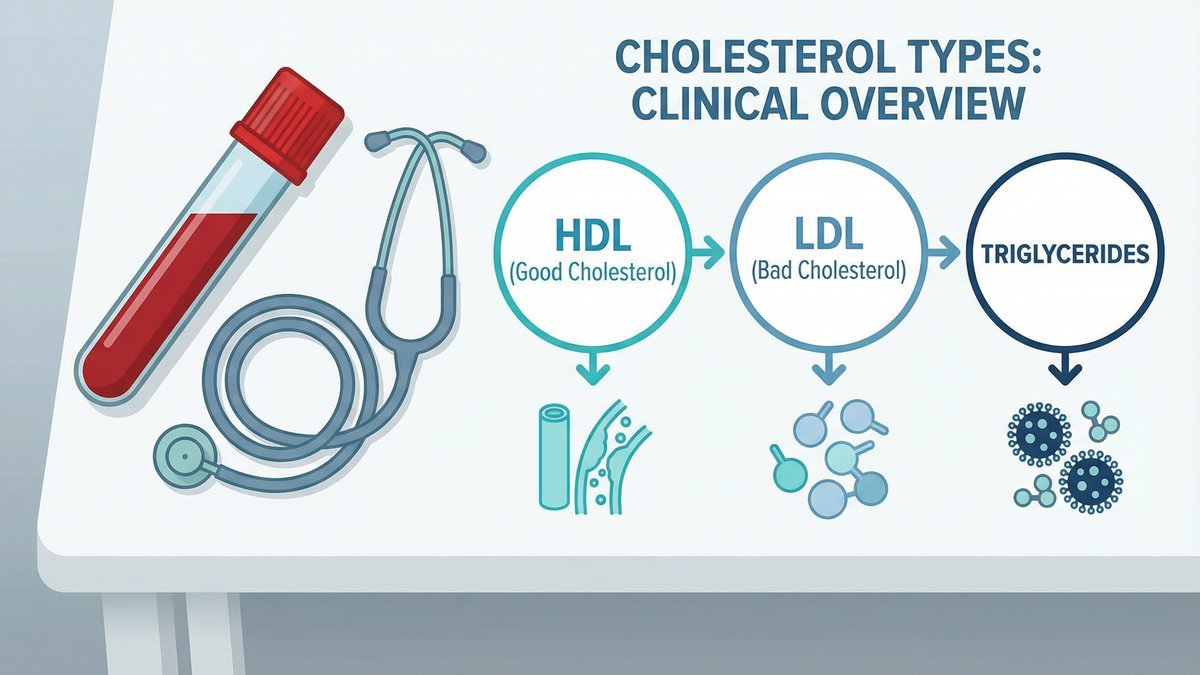
Diabetes profoundly disrupts cholesterol metabolism in ways not always reflected in a standard cholesterol test. Even when total cholesterol appears normal, people with diabetes often have a particularly dangerous lipid profile — one that significantly accelerates cardiovascular disease. Understanding “diabetic dyslipidaemia” is essential for protecting your heart.

What Is Diabetic Dyslipidaemia?

Diabetic dyslipidaemia is characterised by three hallmark features: elevated triglycerides, low HDL cholesterol, and the presence of small, dense LDL particles. This triad is far more atherogenic than elevated LDL alone. Insulin resistance impairs lipoprotein lipase, leading to elevated VLDL production and reduced HDL levels. The resulting small, dense LDL particles penetrate arterial walls more easily and are more susceptible to oxidation.

⚠️ Cholesterol Targets for People with Diabetes
Lipid ParameterHigh CV RiskVery High CV Risk
LDL Cholesterol<70 mg/dL<55 mg/dL
Triglycerides<150 mg/dL<150 mg/dL
HDL Cholesterol>40 mg/dL (men); >50 mg/dL (women)Higher is better

Statin Therapy: The Cornerstone of Treatment

Current ADA guidelines recommend statin therapy for all adults with diabetes aged 40–75 years, regardless of LDL level. Multiple large trials — including the Heart Protection Study and CARDS — have demonstrated that statin therapy reduces major cardiovascular events by 20–37% in people with diabetes. For those with established cardiovascular disease, high-intensity statin therapy (atorvastatin 40–80 mg or rosuvastatin 20–40 mg) is recommended.

✅ Dietary Changes That Improve Cholesterol
  • Replace saturated fats with unsaturated fats (olive oil, avocado, nuts)
  • Increase soluble fibre (oats, barley, legumes) — lowers LDL by 5–10%
  • Eat fatty fish 2× per week — lowers triglycerides by 15–30%
  • Reduce refined carbohydrates and sugary foods
  • Add plant sterols/stanols — lowers LDL by 7–10%
💡 Key Takeaway

Diabetic dyslipidaemia requires more than simply “lowering cholesterol.” Statin therapy is the cornerstone of treatment, but dietary changes, exercise, and additional medications may be needed to achieve optimal lipid targets. Ask your doctor for a full fasting lipid panel and discuss your individual cardiovascular risk at your next appointment.


Related articles

Blood Pressure Management with Diabetes: Your Complete Guide

Living with diabetes means paying attention to more than just blood sugar levels. Blood pressure management is equally crucial, as having both diabetes and high blood pressure can significantly increase your risk of heart disease, stroke, and kidney problems. The good news? With the right knowledge and tools, you can effectively manage both conditions and live a healthy, fulfilling life.

Understanding the Connection Between Diabetes and Blood Pressure

If you have diabetes, you’re twice as likely to have high blood pressure compared to people without diabetes. This isn’t just an unfortunate coincidence—the two conditions are intimately connected through several biological mechanisms.

Diabetes can damage your blood vessels and cause them to narrow, which naturally increases blood pressure. Additionally, insulin resistance (a hallmark of type 2 diabetes) affects how your body manages sodium and fluid balance, further contributing to elevated blood pressure. The combination of these conditions creates what doctors sometimes call a “perfect storm” for cardiovascular complications.

ℹ️ Did You Know?

About 2 in 3 people with diabetes report having high blood pressure or take prescription medications to lower their blood pressure. When these conditions occur together, they can more than double your risk of heart disease and stroke.

What Are the Target Blood Pressure Numbers for People with Diabetes?

Blood pressure readings consist of two numbers: systolic (the top number) and diastolic (the bottom number), measured in millimeters of mercury (mmHg). For most people with diabetes, healthcare providers recommend keeping blood pressure below 140/90 mmHg, though some guidelines suggest an even lower target of 130/80 mmHg.

Your personal target may vary based on your age, how long you’ve had diabetes, and whether you have other health conditions. It’s essential to discuss your specific goals with your healthcare provider rather than assuming a one-size-fits-all approach.

Blood Pressure Category Systolic (top number) Diastolic (bottom number)
Normal Less than 120 mmHg Less than 80 mmHg
Elevated 120-129 mmHg Less than 80 mmHg
Stage 1 Hypertension 130-139 mmHg 80-89 mmHg
Stage 2 Hypertension 140 mmHg or higher 90 mmHg or higher

Lifestyle Strategies for Managing Blood Pressure with Diabetes

The foundation of blood pressure management with diabetes starts with lifestyle modifications. These changes not only help control blood pressure but also improve your overall diabetes management and quality of life.

1. Embrace the DASH Diet

The Dietary Approaches to Stop Hypertension (DASH) eating plan has proven highly effective for lowering blood pressure. This diet emphasizes:

– Fruits and vegetables (8-10 servings daily)
– Whole grains instead of refined carbohydrates
– Lean proteins like fish, poultry, and plant-based sources
– Low-fat dairy products
– Limited added sugars and red meats

The DASH diet aligns well with diabetes nutritional recommendations, making it an excellent choice for managing both conditions simultaneously.

2. Reduce Sodium Intake

Excess sodium causes your body to retain fluid, which increases blood pressure. The American Diabetes Association recommends limiting sodium to 2,300 mg per day, though some people with hypertension may benefit from even lower levels (1,500 mg daily).

✅ Practical Tip

Read nutrition labels carefully. Hidden sodium lurks in processed foods, canned goods, condiments, and restaurant meals. Try flavoring foods with herbs, spices, citrus, and vinegar instead of salt. When cooking at home, reduce salt gradually—your taste buds will adapt over time!

3. Maintain a Healthy Weight

Excess weight makes your heart work harder to pump blood throughout your body. Even modest weight loss (5-10% of your current weight) can significantly improve blood pressure and insulin sensitivity. Focus on sustainable changes rather than crash diets for long-term success.

4. Stay Physically Active

Regular physical activity strengthens your heart, helps maintain healthy weight, reduces stress, and naturally lowers blood pressure. Aim for at least 150 minutes of moderate-intensity aerobic activity weekly (like brisk walking, swimming, or cycling), plus two or more days of strength training.

Always check with your healthcare provider before starting a new exercise routine, especially if you have diabetes complications like retinopathy or neuropathy. They can help you design a safe, effective program.

5. Limit Alcohol and Quit Smoking

Both alcohol and tobacco products can raise blood pressure. If you drink alcohol, do so in moderation (no more than one drink daily for women and two for men). If you smoke, quitting is one of the best things you can do for your cardiovascular health—and your diabetes management.

Monitoring Your Blood Pressure at Home

Home blood pressure monitoring empowers you to take control of your health and provides valuable information for your healthcare team. Here’s how to do it effectively:

Choosing a Monitor

Select an automatic, upper-arm cuff device that’s been validated for accuracy. Wrist and finger monitors are generally less reliable. Many insurance plans cover blood pressure monitors when prescribed by a physician, so check with your provider.

Proper Measurement Technique

For accurate readings:

– Rest quietly for at least 5 minutes before measuring
– Sit with your back supported and feet flat on the floor
– Position your arm at heart level on a table or armrest
– Place the cuff directly on bare skin, not over clothing
– Don’t talk during the measurement
– Take 2-3 readings, one minute apart, and record the average

When and How Often to Check

For most people, measuring at the same times each day (typically morning and evening) provides the most consistent data. Your healthcare provider may recommend a specific schedule based on your situation.

ℹ️ Did You Know?

Blood pressure naturally fluctuates throughout the day. It’s typically highest in the morning and lowest while sleeping. Keeping a log of your readings with dates, times, and any relevant circumstances (like feeling stressed or having just exercised) can help identify patterns and triggers.

Medication Management for Diabetes and Hypertension

Many people with diabetes will need medication to achieve their blood pressure goals, even with excellent lifestyle habits. This isn’t a failure—it’s simply recognizing the biological challenges of managing these interrelated conditions.

Common Blood Pressure Medications for People with Diabetes

Several classes of blood pressure medications work well for people with diabetes:

ACE inhibitors and ARBs: Often considered first-line treatments because they also help protect kidney function
Calcium channel blockers: Relax blood vessels and reduce heart workload
Diuretics: Help your body eliminate excess sodium and fluid
Beta-blockers: Reduce heart rate and the force of heart contractions

Your doctor will consider your specific health profile, potential side effects, and how medications might interact with your diabetes management when prescribing treatment.

Medication Tips and Considerations

To get the most benefit from your medications:

– Take them at the same time each day to maintain consistent levels
– Never stop taking blood pressure medication without consulting your doctor
– Report any side effects promptly rather than discontinuing medication
– Ask about medication timing relative to meals or other medications
– Use pill organizers or smartphone reminders if you have trouble remembering

✅ Practical Tip

Some blood pressure medications can affect blood sugar levels. For example, certain diuretics might raise blood glucose, while some beta-blockers can mask hypoglycemia symptoms. Monitor your blood sugar closely when starting or adjusting blood pressure medications, and discuss any concerns with your healthcare provider.

Working With Your Healthcare Team

Managing multiple health conditions requires a coordinated approach. Your healthcare team might include your primary care physician, endocrinologist, cardiologist, dietitian, certified diabetes educator, pharmacist, and other specialists.

Prepare for appointments by bringing your blood pressure and blood sugar logs, current medication list, and specific questions or concerns. Don’t hesitate to ask for clarification if something isn’t clear—you’re an essential partner in your healthcare decisions.

✅ Key Takeaway

Successfully managing blood pressure with diabetes requires a comprehensive approach that includes understanding your target numbers, adopting heart-healthy lifestyle habits, monitoring at home, taking medications as prescribed, and working closely with your healthcare team. While it might seem overwhelming at first, remember that each positive step you take helps protect your heart, kidneys, eyes, and overall health. You don’t have to make every change at once—start with what feels most manageable and build from there. With persistence and support, you can effectively manage both conditions and enjoy a healthy, active life.

Disclaimer: The information provided in this article is for educational purposes only and should not replace professional medical advice. Always consult with your healthcare team before making changes to your diabetes management plan.


Related articles

Fast Eating and Diabetes Risk: A Comprehensive Analysis

Fast eating

Rapid Dining is linked to Increased Diabetes Risk, Studies Confirm

Recent research highlights a significant link between fast eating and an increased risk of developing type 2 diabetes. This article explores two critical studies that illuminate how rapid meal consumption could potentially lead to higher diabetes incidence, offering new insights into a modifiable risk factor that could impact public health recommendations.

Key Findings: Fasting Eating

  • Study 1: Epidemiological Evidence from Japan

    • A substantial cohort study in Japan monitored 197,825 participants without diabetes over three years, revealing that fast eaters had a 30.9% incidence rate of developing diabetes compared to 26.1% among those who ate more slowly. The association persisted as a significant risk factor even after adjusting for variables such as BMI, age, and lifestyle factors.
  • Study 2: Mechanistic Insights and Global Data

    • A review that synthesised data from multiple international studies focused on the physiological impacts of fast eating. It highlighted that fast eaters tend to experience delayed sensations of fullness, potentially leading to excessive calorie intake and spikes in glucose and insulin levels, thereby increasing the risk of insulin resistance, a precursor to diabetes.

Study Insights:

  1. Physiological Mechanisms:
    Fast eating may interfere with the natural digestion process and the signaling of satiety cues to the brain, leading to overeating. This can result in elevated postprandial glucose levels and increased demands on insulin production, both of which are critical factors in the development of insulin resistance.

  2. Global Epidemiological Trends:
    The consistency of findings across various population studies indicates that regardless of dietary composition, the speed of eating significantly affects metabolic health, highlighting it as a universal risk factor.

  3. Modifiable Lifestyle Factor:
    Given its association with an increased risk of diabetes, modifying how quickly one eats could serve as an effective intervention to decrease the likelihood of developing this chronic condition.

Expert Commentary:

The focus on what is eaten is indeed essential, but the above research findings suggest that the rate at which we eat can have just as significant an impact on our health. Encouraging slower eating speeds could emerge as a simple, cost-effective approach to help mitigate the global rise in diabetes.

Public Health Implications:

The evidence suggests that public health initiatives could benefit from incorporating strategies that encourage slower eating speeds. This could include educational campaigns and dietary guidelines that promote taking more time during meals as a method to enhance satiety cues and reduce overall caloric intake, ultimately helping to prevent diabetes.

Conclusion:

The relationship between fast eating and a heightened risk of diabetes is now well-documented through recent studies. This modifiable eating habit presents a tangible target for preventive health strategies, advocating for a cultural and behavioural shift towards slower eating to support diabetes prevention on a broader scale.

References:

Colchicine Reduces Heart Risk in Type 2 Diabetes

Colchicine Reduces Heart Risk in Type 2 Diabetes

See also: Type 2 Diabetes: Symptoms, Diagnosis, and Management — our complete pillar guide.

Introduction

Recent medical research has shed light on the efficacy of colchicine, a medication traditionally used for gout, in significantly reducing cardiovascular risks for patients with type 2 diabetes (T2D) who have experienced a recent myocardial infarction (MI). This groundbreaking discovery offers a new therapeutic pathway for managing heart health in this high-risk patient group.

Understanding Colchicine’s Mechanism in Cardiovascular Health

Colchicine targets and reduces inflammation, a key factor in cardiovascular diseases. Inflammation plays a crucial role in atherosclerosis development and the subsequent risk of myocardial infarction. By dampening inflammatory responses, colchicine helps stabilize plaque and reduce the likelihood of heart attacks.

The COLCOT Trial: A Landmark Study

The Colchicine Cardiovascular Outcomes Trial (COLCOT) was a randomized, double-blind study assessing colchicine’s impact on cardiovascular events post-MI. Key findings from this study include:

  • Efficacy of Colchicine: Patients taking a daily low dose of 0.5 mg colchicine showed a 35% reduction in the risk of cardiovascular events compared to the placebo group.
  • Specific Impact on T2D Patients: Among the 959 T2D patients in the study, those on colchicine experienced significantly lower rates of cardiovascular events.
  • Safety Profile: The treatment was well-tolerated, with gastrointestinal events being the most common adverse effect.

Colchicine’s Benefits Beyond Traditional Treatment

Colchicine’s role is particularly vital when considering that T2D patients have a heightened risk of cardiovascular complications. In conjunction with standard therapies like aspirin, statins, and metformin, this treatment offers protection against heart diseases.

Comprehensive Care Approach

A multi-faceted approach is essential for optimal heart health in T2D patients post-MI. This includes:

  • Regular Monitoring: Frequent check-ups to monitor heart health and diabetes management.
  • Lifestyle Modifications: Emphasizing a heart-healthy diet, regular exercise, and smoking cessation.
  • Medication Adherence: Ensuring consistent use of prescribed medications, including colchicine.

Limitations and Future Research Directions

While the COLCOT trial offers promising results, further research is needed to understand the full scope of colchicine’s benefits. Areas for future studies include:

  • Effects of Different Glucose-Lowering Medications
  • Impact of Glycated Hemoglobin and LDL Cholesterol Levels
  • Long-Term Safety and Efficacy

نتیجہ اخذ کرنا

Colchicine emerges as a significant adjunct therapy in managing cardiovascular risks in T2D patients post-MI. This discovery marks a pivotal shift in post-myocardial infarction care, promising improved outcomes for millions battling diabetes and heart diseases.


Related articles

Colchicine Reduces Heart Risk in Type 2 Diabetes

Colchicine Reduces Heart Risk in Type 2 Diabetes

See also: Type 2 Diabetes: Symptoms, Diagnosis, and Management — our complete pillar guide.

Introduction

Recent medical research has shed light on the efficacy of colchicine, a medication traditionally used for gout, in significantly reducing cardiovascular risks for patients with type 2 diabetes (T2D) who have experienced a recent myocardial infarction (MI). This groundbreaking discovery offers a new therapeutic pathway for managing heart health in this high-risk patient group.

Understanding Colchicine’s Mechanism in Cardiovascular Health

Colchicine targets and reduces inflammation, a key factor in cardiovascular diseases. Inflammation plays a crucial role in atherosclerosis development and the subsequent risk of myocardial infarction. By dampening inflammatory responses, colchicine helps stabilize plaque and reduce the likelihood of heart attacks.

The COLCOT Trial: A Landmark Study

The Colchicine Cardiovascular Outcomes Trial (COLCOT) was a randomized, double-blind study assessing colchicine’s impact on cardiovascular events post-MI. Key findings from this study include:

  • Efficacy of Colchicine: Patients taking a daily low dose of 0.5 mg colchicine showed a 35% reduction in the risk of cardiovascular events compared to the placebo group.
  • Specific Impact on T2D Patients: Among the 959 T2D patients in the study, those on colchicine experienced significantly lower rates of cardiovascular events.
  • Safety Profile: The treatment was well-tolerated, with gastrointestinal events being the most common adverse effect.

Colchicine’s Benefits Beyond Traditional Treatment

Colchicine’s role is particularly vital when considering that T2D patients have a heightened risk of cardiovascular complications. In conjunction with standard therapies like aspirin, statins, and metformin, this treatment offers protection against heart diseases.

Comprehensive Care Approach

A multi-faceted approach is essential for optimal heart health in T2D patients post-MI. This includes:

  • Regular Monitoring: Frequent check-ups to monitor heart health and diabetes management.
  • Lifestyle Modifications: Emphasizing a heart-healthy diet, regular exercise, and smoking cessation.
  • Medication Adherence: Ensuring consistent use of prescribed medications, including colchicine.

Limitations and Future Research Directions

While the COLCOT trial offers promising results, further research is needed to understand the full scope of colchicine’s benefits. Areas for future studies include:

  • Effects of Different Glucose-Lowering Medications
  • Impact of Glycated Hemoglobin and LDL Cholesterol Levels
  • Long-Term Safety and Efficacy

نتیجہ اخذ کرنا

Colchicine emerges as a significant adjunct therapy in managing cardiovascular risks in T2D patients post-MI. This discovery marks a pivotal shift in post-myocardial infarction care, promising improved outcomes for millions battling diabetes and heart diseases.


Related articles