
February Heart Health Assessment: How Is Your Cardiovascular Health Looking?

February is Heart Health Month — and the perfect time to take stock of where your cardiovascular health stands. This assessment will help you identify your key risk factors, understand your current numbers, and set clear priorities for the months ahead. Knowledge is the foundation of action.

Your Cardiovascular Risk Profile: Know Your Numbers

MetricYour TargetWhy It Matters
HbA1c<53 mmol/mol (7%)Each 1% reduction reduces CVD risk by ~14%
Blood Pressure<130/80 mmHgLeading modifiable CVD risk factor in diabetes
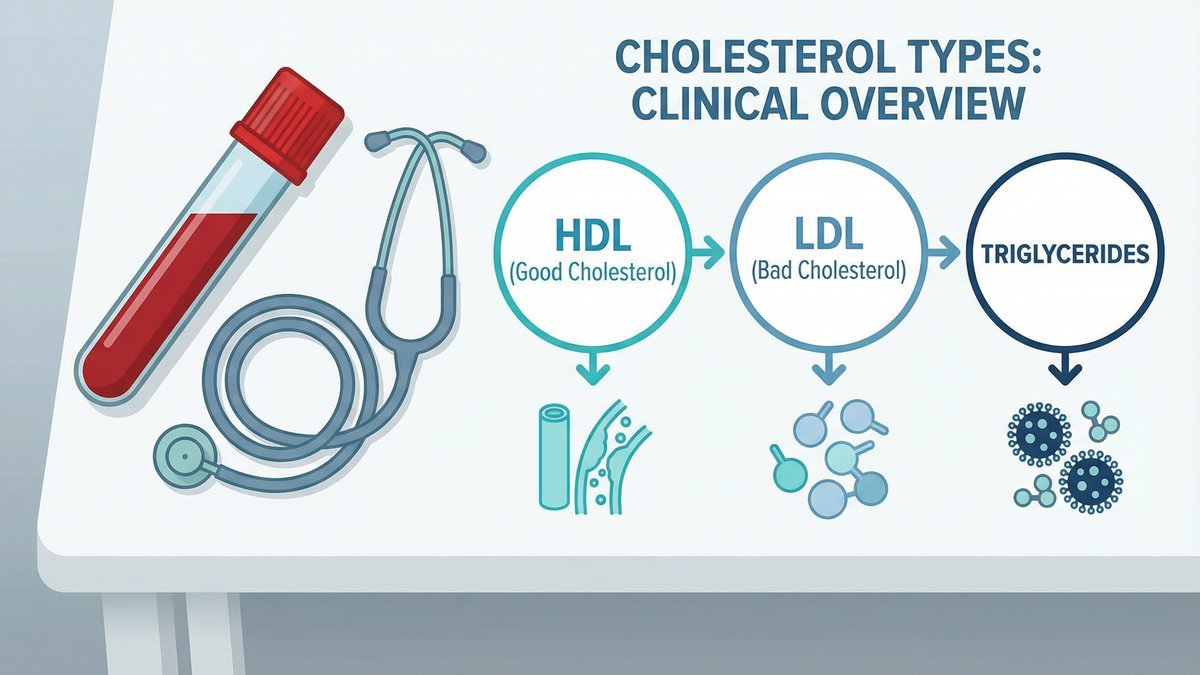
LDL Cholesterol<1.8 mmol/L (high risk)Primary driver of atherosclerotic plaque
Triglycerides<1.7 mmol/LElevated in insulin resistance; independent CVD risk
eGFR>60 mL/min/1.73m²Kidney function; CKD multiplies CVD risk
BMI / Waist CircumferenceBMI <25; Waist <94cm (M) / <80cm (F)Central obesity drives insulin resistance and CVD

February Heart Health Checklist

✅ Actions to Complete This Month
  • Book your annual diabetes review if you have not had one in the past 12 months
  • Check your blood pressure at home or at a pharmacy — aim for <130/80 mmHg
  • Review your most recent cholesterol results — do you know your LDL number?
  • Assess your physical activity — are you achieving 150 minutes per week?
  • Review your diet — have you incorporated any heart-healthy changes this month?
  • If you smoke, make a quit date and contact your GP for support
  • Review your medications with your doctor — are you on a statin and ACE inhibitor/ARB if indicated?

Setting Your March Cardiovascular Goals

Heart health is not a destination — it is an ongoing process of small, consistent improvements. As February draws to a close, take a moment to identify one specific, measurable goal for March. It might be walking 30 minutes every day, reducing your sodium intake by cutting out processed foods, taking your blood pressure medication consistently, or booking a long-overdue GP appointment.

The most important cardiovascular risk factor is the one you can change today. Use the knowledge you have gained this month to take one meaningful step forward.

💡 Key Takeaway

Heart disease is the leading cause of death in diabetes — but it is also largely preventable. Know your numbers (HbA1c, blood pressure, cholesterol, kidney function), take your medications as prescribed, eat a heart-healthy diet, exercise regularly, and do not smoke. This February, commit to one meaningful cardiovascular health action. Your heart will thank you for it.



Related articles

Plant-Based Eating for Heart Health with Diabetes: A Practical Guide

See also: Diabetes Diet: Mediterranean, Low-Carb, Keto and Plant-Based — our complete pillar guide.

A well-planned plant-based diet is one of the most powerful dietary interventions for cardiovascular health in diabetes. Research consistently shows it reduces LDL cholesterol, lowers blood pressure, improves insulin sensitivity, and promotes weight loss — all while being environmentally sustainable. But it requires careful planning to avoid nutritional pitfalls. Here is how to do it right.

The Evidence for Plant-Based Diets in Diabetes

Multiple large studies have demonstrated the cardiovascular and metabolic benefits of plant-based eating in people with diabetes. A 2019 meta-analysis in JAMA Internal Medicine found that plant-based diets reduced HbA1c by 0.55%, fasting glucose by 0.86 mmol/L, and body weight by 2.7 kg compared to control diets. The Adventist Health Study-2, which followed over 96,000 participants, found that vegans had the lowest rates of type 2 diabetes, hypertension, and cardiovascular disease of any dietary group.

Key Nutritional Considerations for People with Diabetes

⚠️ Watch Out For
  • Carbohydrate quality: Plant-based does not mean low-carb. Focus on low-GI carbohydrates (legumes, vegetables, wholegrains) and avoid refined carbs and fruit juices
  • Vitamin B12: Found only in animal products — supplementation is essential for vegans
  • Iron: Plant iron (non-haem) is less bioavailable — pair with vitamin C to enhance absorption
  • Omega-3: ALA from flaxseed and walnuts is poorly converted to EPA/DHA — consider algae-based omega-3 supplements
  • Calcium and Vitamin D: Ensure adequate intake through fortified foods or supplements

Best Plant-Based Protein Sources for Blood Sugar Control

Protein SourceProtein per 100gCarbs per 100gGI
Tofu (firm)17g2gVery low
Lentils (cooked)9g20gLow (29)
Chickpeas (cooked)9g27gLow (28)
Edamame11g8gLow
Tempeh19g9gLow
💡 Key Takeaway

A well-planned plant-based diet can significantly improve cardiovascular health and blood sugar control in diabetes. The key is focusing on whole plant foods — legumes, vegetables, wholegrains, nuts, and seeds — rather than processed plant-based products. If you are considering a fully vegan diet, work with a registered dietitian to ensure you are meeting all your nutritional needs, particularly B12, iron, calcium, and omega-3 fatty acids.


Related articles

Statins and Diabetes: Understanding the Risks, Benefits, and the Latest Evidence

Statins are among the most prescribed medications in the world, and for people with diabetes, they are a cornerstone of cardiovascular risk reduction. Yet they are also among the most misunderstood — surrounded by myths about muscle damage, memory loss, and a supposed link to worsening diabetes. This guide cuts through the noise with evidence-based clarity.

Why People with Diabetes Are Recommended Statins

Diabetes is an independent cardiovascular risk factor. People with type 2 diabetes have a 2–4 times higher risk of heart attack and stroke compared to people without diabetes. This elevated risk is driven by the combination of insulin resistance, dyslipidaemia (high triglycerides, low HDL, small dense LDL particles), hypertension, and chronic low-grade inflammation.

Statins work by inhibiting HMG-CoA reductase, the enzyme responsible for cholesterol synthesis in the liver. This reduces LDL cholesterol (the primary driver of atherosclerotic plaque formation) and has additional pleiotropic effects including anti-inflammatory and plaque-stabilising properties.

The Evidence: How Much Do Statins Reduce Cardiovascular Risk?

The evidence for statins in people with diabetes is compelling. The Cholesterol Treatment Trialists’ Collaboration meta-analysis of over 170,000 participants found that each 1 mmol/L reduction in LDL cholesterol with statin therapy reduces major cardiovascular events by approximately 21%. In people with diabetes, the absolute risk reduction is even greater because their baseline risk is higher.

Do Statins Cause Diabetes?

This is the most frequently asked question about statins in people who already have diabetes. The answer is nuanced. Statin therapy is associated with a modest increase in the risk of new-onset type 2 diabetes in people who do not yet have the condition — approximately a 10–12% relative increase in risk. However, this must be weighed against the substantial cardiovascular benefit.

⚠️ Important Clarification

For people who already have diabetes, statins do not meaningfully worsen blood sugar control. The modest increase in HbA1c (approximately 0.1–0.3%) seen in some studies is clinically insignificant compared to the substantial cardiovascular protection they provide. Do not stop your statin without discussing it with your doctor.

Statin Comparison: Which One Is Right for You?

StatinIntensityLDL ReductionNotes
Rosuvastatin 20–40mgHigh50–60%Preferred for high CVD risk; once daily
Atorvastatin 40–80mgHigh45–55%Most widely prescribed; once daily
Simvastatin 20–40mgModerate35–45%More drug interactions; evening dosing
Pravastatin 40mgModerate30–40%Fewer drug interactions; good for elderly
💡 Key Takeaway

For most people with diabetes aged over 40, or with any additional cardiovascular risk factor, statin therapy is recommended by all major guidelines. The cardiovascular benefits substantially outweigh the risks. If you experience muscle aches or other side effects, speak to your doctor — switching to a different statin or adjusting the dose often resolves the problem. Never stop your statin without medical advice.


Related articles

Love Your Heart: The Essential Cardiovascular Health Check Checklist for Diabetes

February is Heart Health Month — the perfect time to take stock of your cardiovascular health. For people with diabetes, proactive cardiovascular screening is not optional; it is a clinical necessity. This checklist covers everything you should be monitoring and discussing with your healthcare team to protect your heart.

Your Annual Cardiovascular Health Checklist

Test / CheckFrequencyTargetWhy It Matters
HbA1cEvery 3–6 months<7% (individualised)Primary marker of glucose control and CV risk
فشار خونEvery appointment; home monitoring<130/80 mmHgSilent killer; doubles heart attack risk
Fasting lipid panelAnnually (more if abnormal)LDL <70 mg/dL; TG <150 mg/dLDiabetic dyslipidaemia drives atherosclerosis
Kidney function (eGFR + ACR)AnnuallyeGFR >60; ACR <3 mg/mmolCKD is a major independent CV risk factor
Weight and BMIEvery appointmentBMI 20–25; waist <94cm (men)Visceral obesity drives CV risk and insulin resistance
Foot examinationAnnuallyNormal sensation and pulsesPeripheral arterial disease is a marker of systemic atherosclerosis
Retinal screeningAnnuallyNo retinopathyRetinal vessels reflect systemic microvascular health
10-year CV risk score (QRISK3)Annually<10% (low risk)Guides statin and antihypertensive therapy decisions
Resting ECGEvery 2–3 years (or if symptomatic)Normal sinus rhythmDetects silent ischaemia, arrhythmias, and conduction abnormalities
✅ Questions to Ask Your Doctor This Month
  • “What is my current 10-year cardiovascular risk score?”
  • “Should I be on a statin? Am I on the right dose?”
  • “Is my blood pressure medication optimised for kidney protection?”
  • “Should I be on an SGLT2 inhibitor or GLP-1 agonist for heart protection?”
  • “When did I last have a fasting lipid panel and kidney function test?”
💡 Key Takeaway

Proactive cardiovascular screening is one of the most important things you can do to protect your long-term health with diabetes. Use this checklist to ensure nothing is being missed at your annual review. If you haven’t had all these checks recently, make an appointment with your GP or diabetes team this month.


Related articles

Cholesterol and Diabetes: Your Complete Guide to Diabetic Dyslipidaemia

Diabetes profoundly disrupts cholesterol metabolism in ways not always reflected in a standard cholesterol test. Even when total cholesterol appears normal, people with diabetes often have a particularly dangerous lipid profile — one that significantly accelerates cardiovascular disease. Understanding “diabetic dyslipidaemia” is essential for protecting your heart.

What Is Diabetic Dyslipidaemia?

Diabetic dyslipidaemia is characterised by three hallmark features: elevated triglycerides, low HDL cholesterol, and the presence of small, dense LDL particles. This triad is far more atherogenic than elevated LDL alone. Insulin resistance impairs lipoprotein lipase, leading to elevated VLDL production and reduced HDL levels. The resulting small, dense LDL particles penetrate arterial walls more easily and are more susceptible to oxidation.

⚠️ Cholesterol Targets for People with Diabetes
Lipid ParameterHigh CV RiskVery High CV Risk
LDL Cholesterol<70 mg/dL<55 mg/dL
Triglycerides<150 mg/dL<150 mg/dL
HDL Cholesterol>40 mg/dL (men); >50 mg/dL (women)Higher is better

Statin Therapy: The Cornerstone of Treatment

Current ADA guidelines recommend statin therapy for all adults with diabetes aged 40–75 years, regardless of LDL level. Multiple large trials — including the Heart Protection Study and CARDS — have demonstrated that statin therapy reduces major cardiovascular events by 20–37% in people with diabetes. For those with established cardiovascular disease, high-intensity statin therapy (atorvastatin 40–80 mg or rosuvastatin 20–40 mg) is recommended.

✅ Dietary Changes That Improve Cholesterol
  • Replace saturated fats with unsaturated fats (olive oil, avocado, nuts)
  • Increase soluble fibre (oats, barley, legumes) — lowers LDL by 5–10%
  • Eat fatty fish 2× per week — lowers triglycerides by 15–30%
  • Reduce refined carbohydrates and sugary foods
  • Add plant sterols/stanols — lowers LDL by 7–10%
💡 Key Takeaway

Diabetic dyslipidaemia requires more than simply “lowering cholesterol.” Statin therapy is the cornerstone of treatment, but dietary changes, exercise, and additional medications may be needed to achieve optimal lipid targets. Ask your doctor for a full fasting lipid panel and discuss your individual cardiovascular risk at your next appointment.


Related articles

Heart-Healthy Eating with Diabetes: A Practical Guide

When you have diabetes, every meal is an opportunity to protect both your blood sugar and your heart. The dietary patterns most effective for cardiovascular protection are largely the same ones that improve glucose control — making a heart-healthy diet one of the most powerful tools in your diabetes management arsenal.

The Two Evidence-Based Dietary Patterns

FeatureMediterranean DietDASH Diet
Primary fat sourceOlive oilLow-fat dairy, nuts
Protein emphasisFish, legumes, moderate poultryLean meats, fish, legumes
Sodium restrictionModerateStrict (<2,300 mg/day)
Best forOverall CV risk reduction, HbA1cBlood pressure reduction

What to Eat More Of

Fatty fish (2+ servings per week): Salmon, mackerel, sardines, and herring are rich in EPA and DHA omega-3 fatty acids, which reduce triglycerides, lower blood pressure, and reduce inflammation.

Non-starchy vegetables (half your plate): Leafy greens, broccoli, peppers, courgette, and tomatoes are low in carbohydrates, high in fibre, and packed with potassium and antioxidants.

Legumes (3–4 servings per week): Lentils, chickpeas, kidney beans, and black beans are high in soluble fibre, which lowers LDL cholesterol and slows glucose absorption.

Nuts and seeds (a small handful daily): Almonds, walnuts, chia seeds, and flaxseeds provide heart-healthy unsaturated fats, fibre, and magnesium.

Olive oil (as primary cooking fat): Extra-virgin olive oil is rich in oleocanthal, a natural anti-inflammatory compound. The PREDIMED trial demonstrated a 30% reduction in major cardiovascular events with a Mediterranean diet supplemented with extra-virgin olive oil.

⚠️ Foods to Limit
  • Saturated fats: Red meat, full-fat dairy, butter raise LDL cholesterol
  • Trans fats: Found in some processed foods; strongly linked to heart disease
  • Refined carbohydrates: White bread, white rice, pastries spike blood glucose
  • High-sodium foods: Processed meats, tinned soups raise blood pressure
  • Sugary drinks: Soft drinks, fruit juices drive glucose spikes and weight gain
✅ Simple Heart-Healthy Swaps
  • White rice → Quinoa, barley, or cauliflower rice
  • Butter → Extra-virgin olive oil or avocado
  • Red meat (daily) → Salmon or lentils (3–4×/week)
  • Crisps / biscuits → A small handful of almonds or walnuts
  • Sugary drinks → Sparkling water with lemon or herbal tea
💡 Key Takeaway

A heart-healthy diet for diabetes is not about deprivation — it is about making consistent, informed choices that protect both your blood sugar and your cardiovascular system. Focus on adding more of the right foods rather than simply restricting. Small, sustainable changes accumulate into significant long-term cardiovascular protection.


Related articles

Diabetes and Heart Disease: Understanding Your Risk

People with diabetes face a cardiovascular risk two to four times higher than the general population. Heart disease remains the leading cause of death among those living with both type 1 and type 2 diabetes — yet the majority of these events are preventable with the right knowledge and consistent management.

Why Diabetes and Heart Disease Are So Closely Linked

The relationship between diabetes and cardiovascular disease is not coincidental. Chronically elevated blood glucose damages the walls of blood vessels through endothelial dysfunction. Over time, this promotes the build-up of fatty plaques inside the arteries — atherosclerosis. When these plaques rupture, they trigger clot formation, blocking blood flow to the heart (heart attack) or brain (stroke).

Beyond glucose itself, diabetes is almost always accompanied by a cluster of metabolic abnormalities: elevated LDL cholesterol, low HDL cholesterol, high triglycerides, insulin resistance, and chronic low-grade inflammation. Each independently increases cardiovascular risk; together, they create a compounding effect known as metabolic syndrome.

⚠️ Key Statistic

Adults with type 2 diabetes are 2–4 times more likely to develop cardiovascular disease than those without diabetes. Approximately 68% of people with diabetes aged 65 or older die from some form of heart disease, according to the American Heart Association.

Your Major Cardiovascular Risk Factors

Risk FactorTargetWhy It Matters
HbA1c<7%Every 1% reduction cuts CV events by ~14%
Blood Pressure<130/80 mmHgHypertension doubles heart attack risk in diabetics
LDL Cholesterol<70 mg/dLLDL drives atherosclerotic plaque formation
Triglycerides<150 mg/dLMarker of insulin resistance
SmokingNon-smokerSmoking + diabetes = 3× higher CV mortality

Protecting Your Heart: Evidence-Based Strategies

✅ Proven Protective Strategies
  • Achieve and maintain HbA1c within your individualised target range
  • Control blood pressure to below 130/80 mmHg
  • Take statin therapy if aged 40–75 with diabetes (ADA recommendation)
  • Consider SGLT2 inhibitors or GLP-1 receptor agonists — both have proven cardiovascular benefits
  • Engage in at least 150 minutes of moderate aerobic exercise per week
  • Follow a Mediterranean or DASH dietary pattern
  • Stop smoking — the single most impactful modifiable risk factor
💡 Key Takeaway

Heart disease is the most serious complication of diabetes, but it is largely preventable. Managing your “ABCs” — HbA1c, Blood pressure, and Cholesterol — alongside lifestyle changes and appropriate medication, gives you the strongest possible protection. Speak with your diabetes care team about your individual cardiovascular risk profile at your next appointment.


Related articles