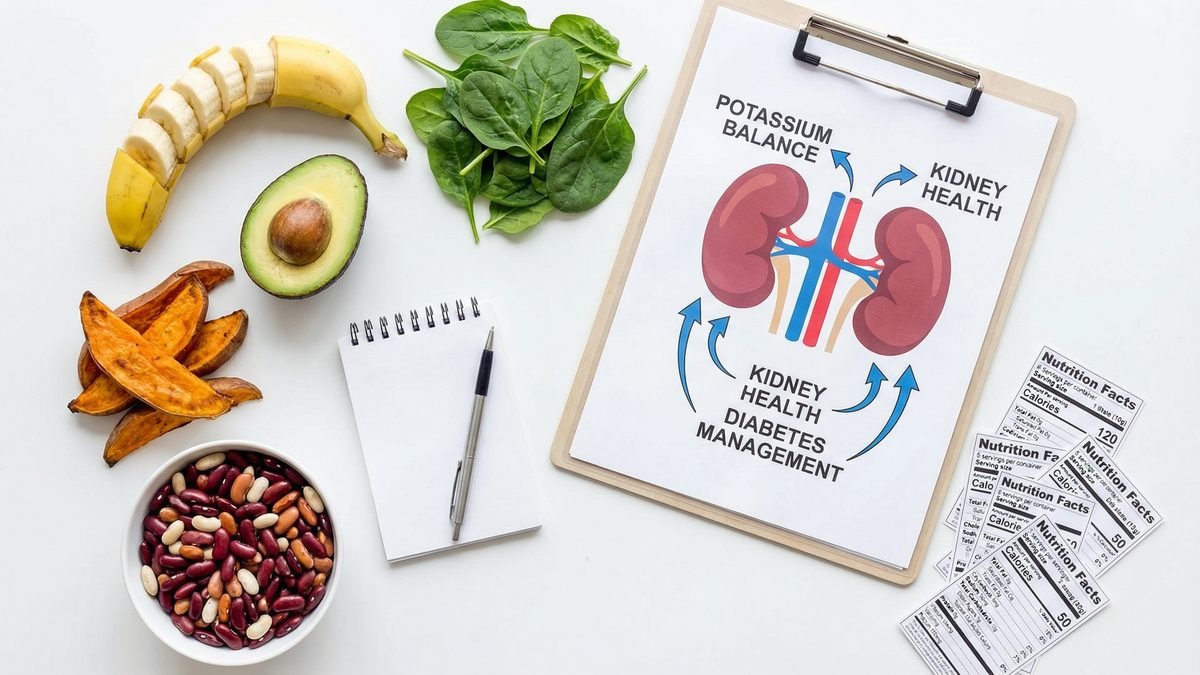
Potassium and Diabetes: The Kidney Health Guidelines

See also: Diabetes Complications: Heart, Kidney, Eye, and Foot Health — our complete pillar guide.

Potassium is essential for heart and muscle function — but in kidney disease, it can accumulate to dangerous levels. For people with diabetes and kidney disease, understanding potassium is a matter of safety. Here is what you need to know.

Why Potassium Matters

Potassium is an electrolyte that regulates nerve and muscle function, including the electrical activity of the heart. Healthy kidneys maintain blood potassium within a narrow range (3.5–5.0 mmol/L) by excreting excess potassium in urine. When kidneys are damaged, this regulatory capacity is impaired, and potassium can accumulate — a condition called hyperkalaemia.

Hyperkalaemia can cause dangerous heart rhythm abnormalities and, in severe cases, cardiac arrest. It is one of the most serious complications of advanced kidney disease.

Who Needs to Restrict Potassium?

Not everyone with diabetes and kidney disease needs to restrict potassium. The need for restriction depends on:

  • eGFR level: Potassium restriction is generally recommended when eGFR falls below 30 mL/min (Stage 4-5 CKD)
  • Blood potassium levels: If your blood test shows potassium above 5.0 mmol/L, restriction is needed regardless of eGFR
  • Medications: ACE inhibitors, ARBs, and some diuretics raise potassium levels and may require dietary adjustment
⚠️ Do Not Restrict Without Guidance
Potassium restriction is not appropriate for everyone with diabetes. In early kidney disease, a high-potassium diet from fruits and vegetables is actually beneficial for blood pressure and cardiovascular health. Only restrict potassium if your healthcare team has specifically advised it based on your blood test results.

High-Potassium Foods to Be Aware Of

If potassium restriction has been recommended, the following foods are particularly high in potassium and should be limited:

  • Fruits: Bananas, oranges, kiwi, avocado, dried fruits, tomatoes
  • Vegetables: Potatoes, sweet potatoes, spinach, mushrooms, Brussels sprouts
  • Legumes: Lentils, kidney beans, chickpeas
  • Dairy: Milk, yoghurt (moderate restriction)
  • Nuts and seeds: Most varieties are high in potassium

Cooking techniques can reduce potassium content. Leaching — peeling, cutting into small pieces, soaking in water for several hours, then boiling in fresh water — can remove 30–50% of the potassium from vegetables like potatoes.

✅ Key Takeaway
Potassium management in diabetes and kidney disease is nuanced. Restriction is only needed in advanced kidney disease or when blood tests show elevated levels. If restriction is advised, focus on limiting the highest-potassium foods and use leaching techniques for vegetables. Always follow the specific guidance of your renal dietitian, as individual needs vary considerably.

Related articles

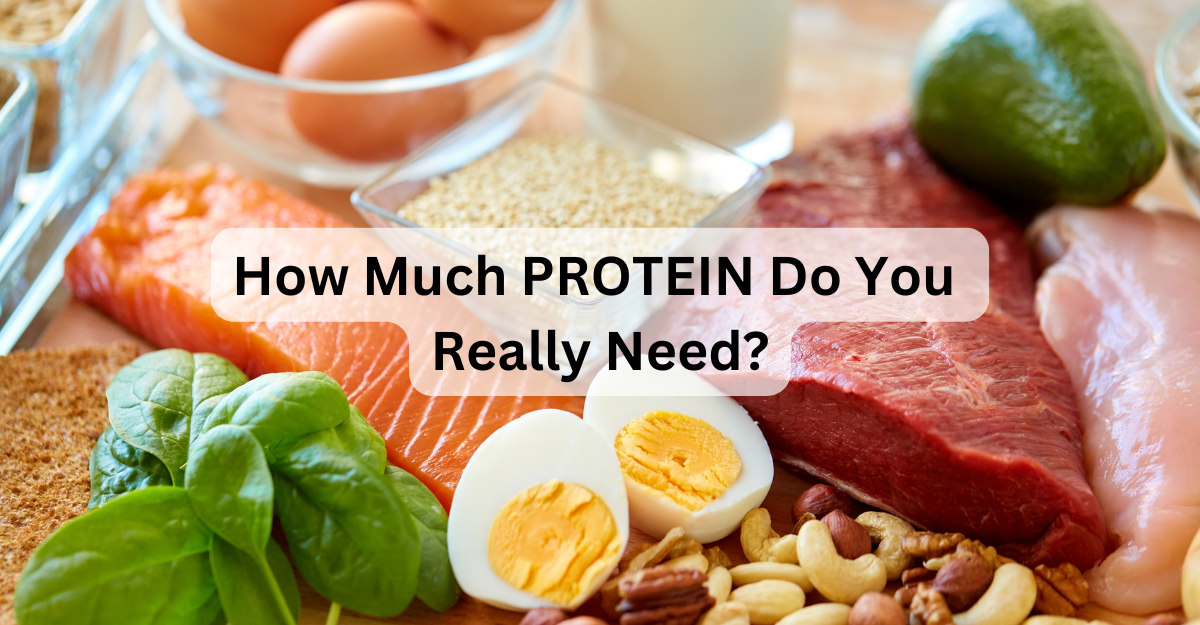
How Much PROTEIN Do You Really Need?

How Much PROTEIN Do You Really Need?

Protein is one of the most essential nutrients for human health. It plays a crucial role in building and repairing tissues, supporting immune function, and providing energy. But how much protein do you actually need to stay healthy? Should you eat more protein if you have diabetes or kidney disease? Is plant-based protein better than animal protein? These are common questions that many people have.

In this article, we’ll explore evidence-backed answers to common questions. We’ll cover how much protein you really need, its role in diabetes and kidney health, and why plant proteins may be a better choice for long-term health.

How Much Protein Should You Eat?

For the general population, the recommended daily protein intake is 0.8–1.5 grams per kilogram (kg) of body weight per day, or 15–20% of total daily calories. This range works well for most people, but your specific needs may vary depending on your health status, age, and lifestyle. [1]

If you’re unsure how much protein you should be eating, here’s a simple calculation:

  • Convert your weight to kilograms (1 kg = 2.2 lbs).
  • Multiply your weight in kg by 0.8 to 1.5.

For example, if you weigh 70 kg (about 154 lbs), your daily protein intake should be 56 to 105 grams of protein per day.

Does Eating More Protein Improve Health?

Many people believe that eating more protein will make them healthier. However, according to the ADA Standards of Care 2025, there is no conclusive evidence that consuming protein above the recommended amount improves overall health, blood sugar control (glycaemic management), or heart health (cardiovascular disease risk). [2]

Excessive protein intake can even have negative effects, particularly if it’s animal protein that’s high in saturated fats. That’s why it’s essential to focus on the right amount and type of protein.

Should Protein Intake Be the Same for Everyone?

No, protein needs vary based on factors like:

  • Age (Older adults may need more protein to maintain muscle mass.)
  • Health conditions (Such as diabetes or kidney disease.)
  • Physical activity (Athletes or those who exercise regularly may require more protein.)

It’s essential to personalise your protein intake based on your unique health profile. Consulting a registered dietitian or healthcare provider can help you make the best choice.

Protein and Type 2 Diabetes

If you have type 2 diabetes, protein intake may play a special role in managing blood sugar and hunger. Some evidence suggests that a higher protein intake (20–30% of total daily calories) can:

  • Increase satiety (help you feel fuller for longer).
  • Support weight management.
  • Improve blood sugar control

This doesn’t mean you should dramatically increase your protein intake, but small adjustments within the recommended range may be beneficial. Plant proteins, in particular, are associated with better blood sugar outcomes.

Protein and Chronic Kidney Disease (CKD)

Historically, people with diabetes-related chronic kidney disease (CKD) were advised to follow a low-protein diet. The logic was that protein puts more strain on the kidneys, accelerating kidney disease progression.

However, recent evidence challenges this idea. The ADA Standards of Care 2025 state that people with CKD do not need to restrict protein intake below the standard recommendations (0.8–1.5 g/kg/day). In fact, cutting protein too much can cause malnutrition and muscle loss, especially in older adults. [3]

The key takeaway: If you have CKD, focus on the quality of protein (plant vs. animal) rather than reducing protein to unhealthy levels.

Animal Protein vs. Plant Protein: Which Is Better?

When it comes to protein sources, not all proteins are created equal. Increasingly, research shows that plant-based proteins are a healthier option compared to animal proteins, particularly for people with diabetes or those at risk for cardiovascular disease.

Here’s why plant proteins are better:

  • Lower in saturated fat
  • Higher in fiber
  • Linked to lower cardiovascular disease risk
  • Supports planetary health (good for the environment)

Replacing animal protein with plant protein may improve key health markers. A meta-analysis of 13 randomised controlled trials (RCTs) found that switching from animal to plant protein led to small but significant improvements in HbA1c (a marker of long-term blood sugar control) and fasting glucose in adults with type 2 diabetes. [4]

Other large-scale observational studies suggest that people who consume more plant-based foods have a lower risk of developing type 2 diabetes.

What Does the Latest Research Say?

A 2023 systematic review and meta-analysis of 13 RCTs and 7 cohort studies concluded that there is limited but suggestive evidence that replacing animal protein with plant-based protein is beneficial.

While the evidence isn’t conclusive, studies consistently show that people with higher intakes of plant protein and lower intakes of animal protein have better health outcomes.

Summary of Key Takeaways

  1. Recommended protein intake: 0.8–1.5 g/kg/day or 15–20% of total daily calories.
  2. More protein isn’t always better: There’s no evidence that eating more protein than recommended improves health.
  3. Personalise your protein: Everyone’s protein needs are different, especially for those with diabetes or CKD.
  4. Type 2 diabetes: Slightly higher protein intake (20–30%) may help with satiety and blood sugar control.
  5. CKD and protein: There’s no need to restrict protein below 0.8 g/kg/day, even with CKD.
  6. Plant protein > Animal protein: Plant proteins are linked to better health outcomes than animal proteins.

What Should You Do Next?

If you’re looking to optimise your protein intake for health, consider these steps:

  • Talk to a healthcare provider to determine your individual protein needs.
  • Add more plant-based proteins to your meals (like lentils, beans, tofu, and quinoa).
  • Avoid over-restricting protein if you have CKD or diabetes, as it may do more harm than good.

The latest guidance from the ADA Standards of Care 2025 makes it clear that protein intake should be personalised, and more protein isn’t always better. Focus on balance, prioritise plant proteins, and ensure your daily intake fits your health needs.

Do you have questions about protein intake and health? Drop them in the comments below, and let’s discuss! Your health matters, and having the right information is the first step to making better choices.


References and Further Reading

  1. Harvard Health Publishing. (2023, June 22). How much protein do you need every day?
  2. American Diabetes Association. (2025). Standards of Care in Diabetes—2025. Diabetes Care, 48(Supplement_1).
  3. National Kidney Foundation. (n.d.). Protein and Chronic Kidney Disease.
  4. Viguiliouk, E., et al. (2020). Effect of Replacing Animal Protein with Plant Protein on Glycemic Control in Adults with Type 2 Diabetes: A Systematic Review and Meta-Analysis of Randomized Controlled Trials. Nutrients, 12(7), 1963.

Blueberries & Almond Cake: A Delicious Dessert Recipe

Blueberries & almond cake

Blueberries & Almond Cake: A Delicious Dessert Recipe
4g NET CARBS

PHASE 1
کیٹو
Low-Carb
Sugar-Free
Gluten-Free

Prep Time
15 min
Cook Time
0 min
Serves
4
Difficulty
Easy

This delicious Blueberries & Almond Cake: A Delicious Dessert Recipe is perfect for anyone following a low-carb or keto lifestyle. Made with wholesome ingredients, this satisfying dessert is perfect for any day of the week. It’s flavorful, nutritious, and tastes amazing—without the blood sugar spike.

✅ Diabetes-Friendly Highlights

4g
نیٹ کاربس
5g
پروٹین
220
Calories
1g
Sugar

اجزاء

  • Main protein or vegetables as needed
  • 2 tbsp olive oil or butter
  • 4 cloves garlic, minced
  • Salt and pepper to taste
  • Fresh herbs for garnish

غذائیت حقائق

Per Serving

Calories220
Total Fat22g
Total Carbohydrates8g
نیٹ کاربس4g
Dietary Fiber2g
Sugars1g
پروٹین5g

ہدایات

  1. 1

    Prepare all ingredients by washing and cutting as needed.

  2. 2

    Heat oil or butter in a large pan over medium-high heat.

  3. 3

    Add the main ingredients and cook until golden brown and cooked through.

  4. 4

    Season with salt, pepper, and any additional spices to taste.

  5. 5

    Serve hot, garnished with fresh herbs. Enjoy!

💡 Diabetes Management Tips

Why This Recipe Works

Low in carbohydrates and high in protein, this recipe helps maintain stable blood sugar levels while keeping you satisfied.

Protein Power

The high protein content helps slow digestion and prevents blood sugar spikes after meals.

Smart Substitutions

Feel free to swap ingredients based on your preferences. Use any low-carb vegetables or protein sources you enjoy.

Portion Control

Stick to the recommended serving size to maintain the nutritional values listed and keep your carb intake in check.

📦 Storage & Leftovers

Refrigerator: Store in an airtight container for up to 4 days.
Freezer: Freeze for up to 2 months. Thaw overnight in the refrigerator before reheating.
Reheating: Reheat in the microwave or on the stovetop until heated through.

Enjoyed this recipe?

Check out more delicious diabetes-friendly recipes on our website!

Browse All Recipes


Related articles

Blueberries & Almond Cake: A Delicious Dessert Recipe

Blueberries & almond cake

Blueberries & Almond Cake: A Delicious Dessert Recipe
4g NET CARBS

PHASE 1
کیٹو
Low-Carb
Sugar-Free
Gluten-Free

Prep Time
15 min
Cook Time
0 min
Serves
4
Difficulty
Easy

This delicious Blueberries & Almond Cake: A Delicious Dessert Recipe is perfect for anyone following a low-carb or keto lifestyle. Made with wholesome ingredients, this satisfying dessert is perfect for any day of the week. It’s flavorful, nutritious, and tastes amazing—without the blood sugar spike.

✅ Diabetes-Friendly Highlights

4g
نیٹ کاربس
5g
پروٹین
220
Calories
1g
Sugar

اجزاء

  • Main protein or vegetables as needed
  • 2 tbsp olive oil or butter
  • 4 cloves garlic, minced
  • Salt and pepper to taste
  • Fresh herbs for garnish

غذائیت حقائق

Per Serving

Calories220
Total Fat22g
Total Carbohydrates8g
نیٹ کاربس4g
Dietary Fiber2g
Sugars1g
پروٹین5g

ہدایات

  1. 1

    Prepare all ingredients by washing and cutting as needed.

  2. 2

    Heat oil or butter in a large pan over medium-high heat.

  3. 3

    Add the main ingredients and cook until golden brown and cooked through.

  4. 4

    Season with salt, pepper, and any additional spices to taste.

  5. 5

    Serve hot, garnished with fresh herbs. Enjoy!

💡 Diabetes Management Tips

Why This Recipe Works

Low in carbohydrates and high in protein, this recipe helps maintain stable blood sugar levels while keeping you satisfied.

Protein Power

The high protein content helps slow digestion and prevents blood sugar spikes after meals.

Smart Substitutions

Feel free to swap ingredients based on your preferences. Use any low-carb vegetables or protein sources you enjoy.

Portion Control

Stick to the recommended serving size to maintain the nutritional values listed and keep your carb intake in check.

📦 Storage & Leftovers

Refrigerator: Store in an airtight container for up to 4 days.
Freezer: Freeze for up to 2 months. Thaw overnight in the refrigerator before reheating.
Reheating: Reheat in the microwave or on the stovetop until heated through.

Enjoyed this recipe?

Check out more delicious diabetes-friendly recipes on our website!

Browse All Recipes


Related articles